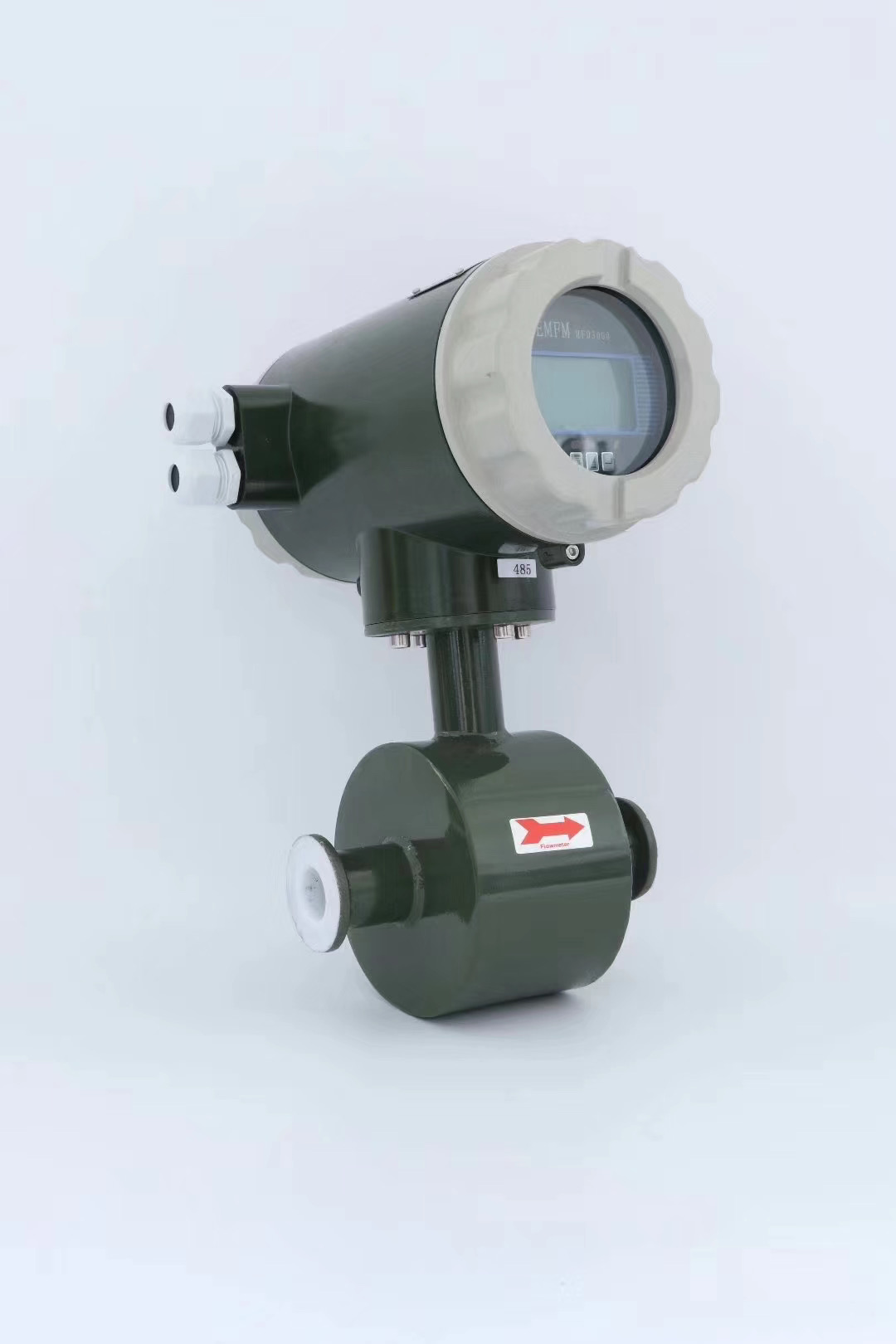

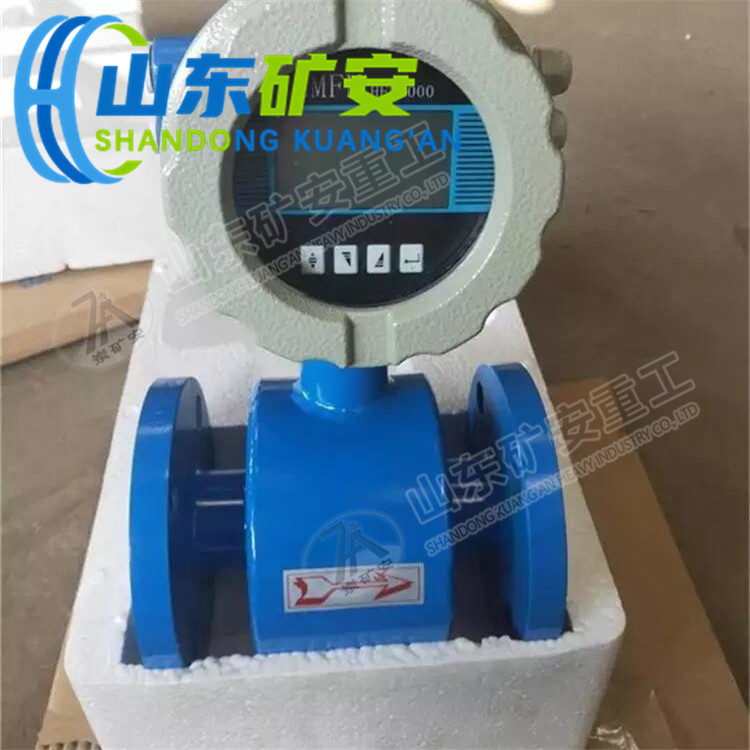
Corrosion resistant electromagnetic flowmeter lined with PTFE cylinder for high-temperature, acid and alkali resistant chemical pipeline measurement
Category:
Instrumentation/Flow meter/flowmeter
Model:
DN10-DN1500
Brand:
Jiayang
Lining material:
Polytetrafluoroethylene (PTFE)
Measuring principle:
Faraday's law of electromagnetic induction
Applicable Medium:
Conductive liquid (≥ 5 μ S/cm)
Operating Temperature:
-40℃ ~ 160℃
Nominal Pressure:
1.6MPa / 2.5MPa / 4.0MPa
Protection level:
IP65 / IP68
measurement accuracy:
±0.5% / ±1.0%
electrode material:
316L/Hastelloy/Titanium/Tantalum
connection method:
flange connection
Retail Price
10,000,000.00USD
重量
kg
- Product Description
-
Lining material Polytetrafluoroethylene (PTFE)
Measuring principle Faraday's law of electromagnetic induction
Applicable Medium Conductive liquid (≥ 5 μ S/cm)
Operating Temperature -40℃ ~ 160℃
Nominal Pressure 1.6MPa / 2.5MPa / 4.0MPa
Protection level IP65 / IP68
measurement accuracy ±0.5% / ±1.0%
electrode material 316L/Hastelloy/Titanium/Tantalum
connection method flange connection
Description :
Electromagnetic flowmeter lined with PTFE cylinder is a volumetric flow measurement instrument based on Faraday's law of electromagnetic induction, specifically designed to solve the flow monitoring problem of highly corrosive and wear-resistant media. This device achieves complete isolation between the measuring pipeline and the conductive liquid by lining the metal conduit with polytetrafluoroethylene (PTFE) material, effectively preventing corrosion of the metal shell by chemical media such as acid, alkali, and salt. It is widely used for measuring the flow rate of liquids with conductivity greater than 5 μ S/cm in industries such as chemical, pharmaceutical, papermaking, and sewage treatment, such as hydrochloric acid, sulfuric acid, sodium hydroxide, slurry, and pulp. It ensures long-term stable operation in harsh chemical environments and is an indispensable key measuring equipment in industrial process control.
The core specification of this electromagnetic flowmeter lies in the compatibility between its lining material and electrode configuration. The lining is made of high-quality polytetrafluoroethylene (PTFE), which has excellent chemical corrosion resistance and can withstand most strong acids, alkalis, and organic solvents. The working temperature range is usually between -40 ℃ and 160 ℃. The measuring tube body usually uses 316L stainless steel or Hastelloy alloy as the shell, providing sufficient mechanical strength and pressure resistance. The common nominal pressure levels are 1.6MPa, 2.5MPa, or 4.0MPa. The execution standard complies with JB/T 9248 "Electromagnetic Flow Meter" and national standard GB/T 18659, with a protection level of IP65 or IP68, ensuring normal operation in humid, dusty or underwater environments. The electrode material can be selected from 316L, Hastelloy C, titanium, or tantalum according to the characteristics of the medium to adapt to fluids with different degrees of corrosion.
When selecting a PTFE lined cylinder for an electromagnetic flowmeter, it is important to consider the conductivity, temperature, pressure, and corrosiveness of the medium. Although PTFE lining material has excellent corrosion resistance, its wear resistance is relatively weak, so it is not suitable for slurry media containing a large number of hard particles or high flow rate erosion. It is recommended to use polyurethane or ceramic lining for such working conditions. In addition, it is necessary to ensure that the measured medium is a conductive liquid, and non-conductive media such as pure water and oil cannot be measured using this principle. For high-temperature media, attention should be paid to the temperature resistance limit of PTFE. If it exceeds 160 ℃, PFA lining or other high-temperature resistant materials may need to be used. During installation, it is necessary to ensure the length of the front and rear straight pipe sections, usually 5D in the front and 3D in the back (D is the pipe diameter), to avoid flow field distortion affecting measurement accuracy. If there is vibration or strong magnetic field interference in the pipeline, corresponding shock absorption or shielding measures should be taken.
When installing an electromagnetic flowmeter lined with PTFE cylinder, it is necessary to ensure that the sensor is fully filled for measurement and avoid installing it at the highest point of the pipeline to prevent bubble accumulation from affecting the signal. In daily maintenance, it is necessary to regularly check whether the electrode surface is scaled or covered. Although PTFE lining is non sticky, measurement deviation may still occur due to medium precipitation after long-term operation, and cleaning or calibration may be necessary if necessary. Common faults include large signal fluctuations, zero drift, or no display, usually caused by poor grounding, electrode contamination, or excitation coil faults. It is recommended to regularly check the grounding resistance to ensure it is less than 10 Ω and keep the area around the converter dry and ventilated. When used in cold regions, attention should be paid to heat tracing and insulation to prevent the medium from freezing and damaging the lining. Proper maintenance can significantly extend the service life of equipment and maintain measurement accuracy within 0.5% or 1.0%.
AfterSalesService :
Key words:
More Products