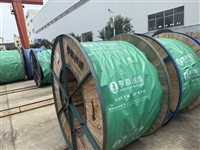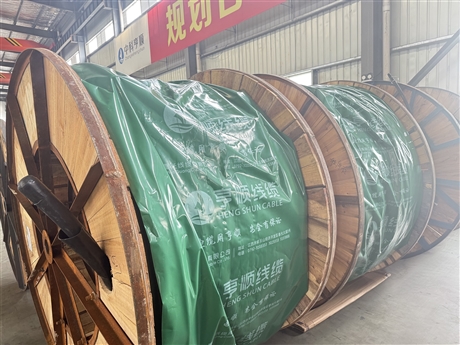

Copper core cross-linked polyethylene insulated steel tape armored power cable
Category:
Electrical Engineering/Wire and cable/power cable
Model:
YJV22 4 * 16+1 * 10 (various YJV22 models)
Brand:
Zhongke Hengshun
Conductor material:
oxygen-free copper
insulating material:
Cross linked polyethylene (XLPE)
sheath material:
Polyvinyl chloride (PVC)
Armor type:
Double steel belt armor
Main core cross-sectional area:
16mm²
Ground wire core cross-sectional area:
10mm²
Core structure:
4+1 cores
rated voltage:
0.6/1kV
execution standard:
GB/T 12706.1-2020
Long term working temperature:
90℃
Retail Price
10,000,000.00USD
重量
kg
- Product Description
-
Conductor material oxygen-free copper
insulating material Cross linked polyethylene (XLPE)
sheath material Polyvinyl chloride (PVC)
Armor type Double steel belt armor
Main core cross-sectional area 16mm²
Ground wire core cross-sectional area 10mm²
Core structure 4+1 cores
rated voltage 0.6/1kV
execution standard GB/T 12706.1-2020
Long term working temperature 90℃
Description :
YJV22 copper core cross-linked polyethylene insulated polyvinyl chloride sheathed steel tape armored power cable is a high-performance cable widely used in fixed laying transmission and distribution lines. It mainly solves the safety and stability issues of power transmission in environments with strong mechanical external forces, humidity, or direct burial. Typical working conditions include underground direct burial, pipe laying, and wiring inside tunnels. This type of cable provides excellent electrical performance and heat resistance through cross-linked polyethylene (XLPE) insulation layer, combined with steel tape armor layer to enhance compressive and tensile strength, ensuring long-term stable operation in complex environments. It is suitable for power systems with rated voltage of 0.6/1kV and below.
In terms of specifications, the YJV22 4 * 16+1 * 10 model indicates that the cable consists of 4 main cores with a cross-sectional area of 16 square millimeters and 1 ground core with a cross-sectional area of 10 square millimeters. The conductor is made of high-purity oxygen free copper, which complies with the GB/T 3956 standard; The insulation material is cross-linked polyethylene, and the sheath is polyvinyl chloride (PVC), which has excellent aging resistance and corrosion resistance. The implementation standard is GB/T 12706.1-2020, which has passed the withstand voltage test, partial discharge test, and flame retardant performance test. The thickness of the steel belt armor layer is uniform, ensuring that the protective cover is not damaged by external forces. The overall structure is compact, with a moderate outer diameter, making it easy to install and bend during construction.
When selecting, it should be noted that YJV22 power cables are suitable for indoor, tunnel, cable trench, and underground direct burial environments that can withstand certain mechanical external forces, but are not suitable for environments that can withstand huge tensile forces. If tensile resistance is required, steel wire armor models (such as YJV32) should be selected. Compared with ordinary YJV cables, YJV22 has added steel tape armor, which is more suitable for direct burial to prevent soil pressure or rodent damage. Not suitable for environments with high temperatures exceeding 90 ℃ or strong acid-base corrosion. Special cables are required for such working conditions. The purchaser should confirm whether there are sharp stones or heavy pressure risks in the laying path to determine whether additional protective pipes are needed.
When installing YJV22 power cables, the bending radius should not be less than 15 times the outer diameter of the cable to avoid damaging the insulation and armor layers. The laying temperature should not be lower than 0 ℃, and preheating treatment is required at low temperatures. In daily maintenance, regularly check whether the cable sheath is damaged and whether the armor is corroded, especially at the joints and terminals. Common faults include insulation aging breakdown or armor corrosion fracture, which can be determined through insulation resistance testing and visual inspection. The typical service life can reach over 30 years, and maintaining a dry and ventilated environment can extend its lifespan. Avoid long-term overload operation and ensure that the load current is within the rated range to maintain power transmission efficiency and safety.
AfterSalesService :
Key words:
More Products