
Duomu Laser Cladding Stacking Welding Machine Industrial Grade Metal Surface Repair Equipment
Category:
mechanical equipment/Welding and cutting equipment/Laser welding machine
Model:
DH6000
Brand:
Taki
Laser type:
Fiber optic/semiconductor laser
output power:
500-6000W
Hardness of the overlay layer:
HRC20-65 adjustable
combination method:
metallurgical bonding
Applicable Materials:
Cobalt based/nickel based/iron-based alloys
cooling method:
Industrial water cooling
Control method:
CNC/CNC linkage
Dilution rate:
<5%
Retail Price
10,000,000.00USD
重量
kg
- Product Description
-
Laser type Fiber optic/semiconductor laser
output power 500-6000W
Hardness of the overlay layer HRC20-65 adjustable
combination method metallurgical bonding
Applicable Materials Cobalt based/nickel based/iron-based alloys
cooling method Industrial water cooling
Control method CNC/CNC linkage
Dilution rate <5%
Description :
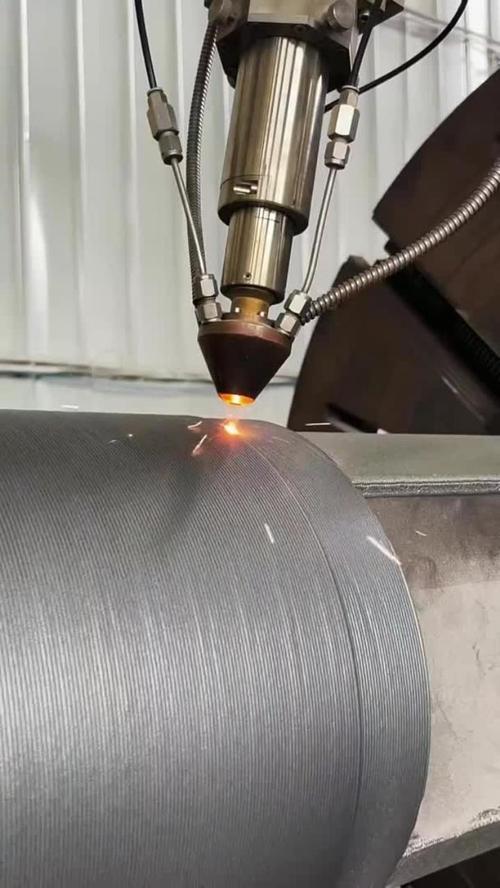
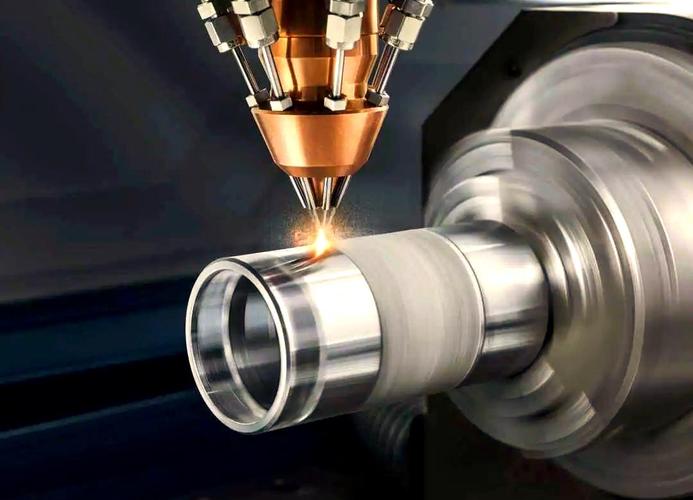
Laser cladding welding machine is an advanced manufacturing equipment that uses high-energy laser beams to melt and rapidly solidify alloy powder and substrate surface simultaneously, thereby forming metallurgical bonding coatings on the surface of the workpiece. This equipment mainly solves the problem of repairing surface defects such as wear, corrosion, and scratches of mechanical components, as well as improving the wear resistance, corrosion resistance, and high temperature resistance of parts through surface modification. Typical working conditions include mold repair, remanufacturing of shaft components, and strengthening of valve sealing surfaces. The Duomu laser cladding welding machine adopts a precise optical system and powder feeding mechanism to ensure uniform thickness and low dilution rate of the cladding layer. It is suitable for industrial scenarios that require high repair accuracy and is a key tool for extending equipment service life and reducing spare parts costs.
In terms of specifications and processes, multi wood laser cladding welding machines are usually equipped with fiber lasers or semiconductor lasers, with output power ranges ranging from 500W to 6000W, which can be flexibly adjusted according to the requirements of the substrate material and cladding layer. The core components of the equipment include a laser generator, coaxial or side axis powder feeding head, CNC worktable, and cooling system. The implementation standards refer to the national laser safety standards and welding process specifications, and common certifications include CE certification and ISO quality management system certification. The hardness of the cladding layer can reach HRC60 or above, and the bonding strength is better than traditional spraying processes. The equipment supports a variety of metal powder materials, such as cobalt based, nickel based, iron-based alloys, and tungsten carbide composite materials, to meet the processing needs of various matrix materials such as stainless steel, carbon steel, and cast iron, ensuring process stability and repeat positioning accuracy.
When selecting, it is necessary to clarify the size, material, and failure mode of the processing object. Duomu laser cladding welding machine is suitable for local high-precision repair and small area surface strengthening. The overall surface treatment efficiency of large structural components is lower than that of plasma spraying, but the bonding force and density are better. If the workpiece is sensitive to deformation, a pulse laser machine with better thermal input controllability should be selected; If sedimentation efficiency is pursued, continuous laser models are more suitable. Compared with traditional argon arc welding, laser cladding has a smaller heat affected zone, minimal workpiece deformation, and does not require extensive mechanical processing. The purchaser should pay attention to distinguishing the functional differences between laser cleaning, laser welding, and laser cladding. This equipment is specifically designed for surface additive manufacturing with added materials, rather than simply connecting or cleaning.
The installation of multi wood laser cladding welding machine requires ensuring a clean environment and avoiding dust interference with optical lenses. It is recommended to equip an independent dust removal system. Before operation, the surface of the workpiece needs to be sandblasted or polished to remove oxide scale and oil stains, in order to ensure the quality of the fusion layer bonding. The focus of daily maintenance is to protect the focusing mirror and powder feeding nozzle, regularly clean up splashes, check the water quality and flow rate of the water cooling system, and prevent laser overheating alarms. Common faults include uneven coating caused by poor powder feeding, and decreased energy density due to optical path deviation. It is necessary to regularly calibrate the concentricity between the optical path and the powder feeder. Reasonably setting the scanning speed and overlap rate can effectively avoid porosity and crack defects, ensure that the repaired parts meet or even exceed the original factory performance indicators, and achieve stable and long-term operation.
AfterSalesService :
Key words:
More Products