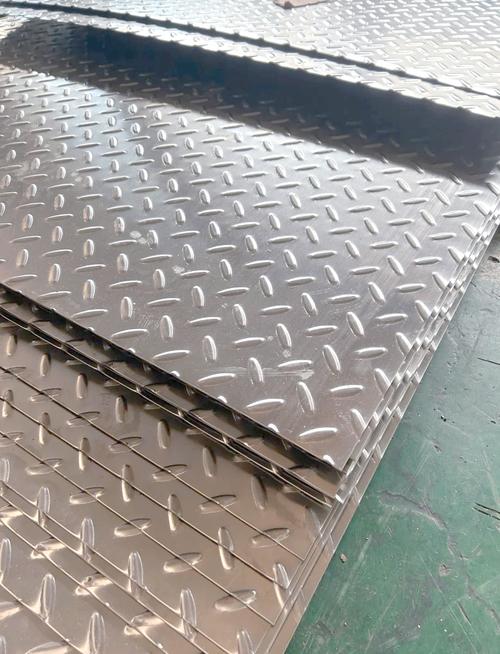

304 316L hot-rolled stainless steel original patterned plate anti slip and wear-resistant industrial material
Category:
metallurgy/Stainless steel plates/Hot rolled stainless steel plate
Model:
201/304/316L
Brand:
Zhongwang Metal
Material Grade:
201/304/316L
production process:
hot rolling
surface morphology:
Lentil shaped/diamond shaped/round bean shaped
Common thickness:
3.0mm-12.0mm
Common width:
1219mm/1500mm
execution standard:
GB/T 4237
Key Features:
Anti slip/corrosion-resistant/high-strength
Applicable Environment:
Chemical industry/ship/platform/carriage
Retail Price
10,000,000.00USD
重量
kg
- Product Description
-
Material Grade 201/304/316L
production process hot rolling
surface morphology Lentil shaped/diamond shaped/round bean shaped
Common thickness 3.0mm-12.0mm
Common width 1219mm/1500mm
execution standard GB/T 4237
Key Features Anti slip/corrosion-resistant/high-strength
Applicable Environment Chemical industry/ship/platform/carriage
Description :
Hot rolled stainless steel patterned plate is a type of hot-rolled stainless steel sheet with raised patterns on its surface, mainly used to increase the friction coefficient and prevent personnel or objects from sliding. This product combines the corrosion resistance of stainless steel with the anti-skid function of checkered plate, and is widely used in chemical industry, ships, platform steps, carriage floor and other working conditions with dual requirements for anti-skid and corrosion resistance. Common materials include 201, 304, and 316L. Among them, 304 is a universal type, 316L is suitable for strong corrosive environments, and 201 is used in general dry indoor environments to meet the needs of different levels of use.
The hot-rolled stainless steel patterned plate usually follows the GB/T 4237 or ASTM A240 standards, and the surface pattern shape is mostly bean shaped, diamond shaped or round bean shaped, with a protrusion height generally between 0.5mm-1.5mm. The thickness range of the board is usually 2.0mm-12.0mm, and the width is commonly 1000mm, 1219mm, or 1500mm. The length can be customized according to the needs. 304 material contains 8% -10% nickel and 18% -20% chromium, with good oxidation resistance; 316L with added molybdenum element has stronger resistance to pitting corrosion. The hot rolling process results in low internal stress and moderate dimensional accuracy of the sheet metal, making it suitable for subsequent welding and processing.
When selecting materials, it is necessary to choose materials based on the concentration of corrosive media in the usage environment. If located in an oceanic atmosphere or acidic chemical environment, it is necessary to choose 316L hot-rolled stainless steel patterned plate; General food machinery and building decoration can choose 304; Dry indoor stairs and ordinary shelves can be selected as 201 to reduce costs. Pay attention to distinguishing between hot-rolled and cold-rolled patterned plates. The surface of hot-rolled plates has a thick oxide scale and requires acid washing treatment, but it has high strength and low price; Cold rolled sheet has a smooth surface but is expensive and prone to deformation. When purchasing, it is necessary to confirm that the pattern direction is consistent with the laying direction to achieve the best anti slip effect.
When installing hot-rolled stainless steel patterned plates, it is recommended to use welding or bolt fixing. Corresponding welding rods should be used during welding to avoid electrochemical corrosion caused by contact between dissimilar metals. In daily maintenance, surface dust and corrosive residues should be regularly cleaned, especially 316L sheets that still need to maintain surface cleanliness in chlorine containing environments to prevent pitting corrosion. If the surface passivation film is found to be damaged, acid pickling and passivation treatment should be carried out in a timely manner. During transportation, attention should be paid to protecting the raised parts of the pattern to avoid deformation caused by heavy pressure, which may affect the anti slip performance and aesthetics. When stacking, wooden blocks should be added to prevent moisture.
AfterSalesService :
Key words:
More Products