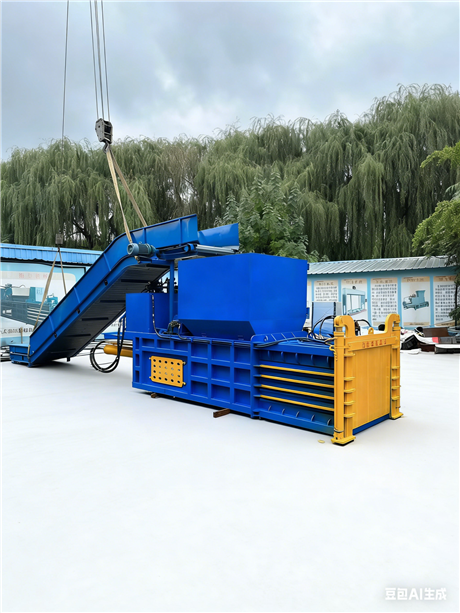

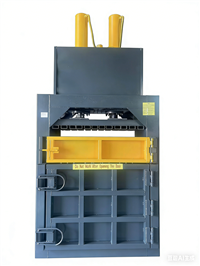
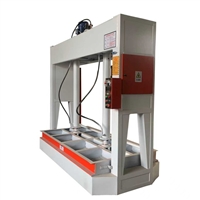
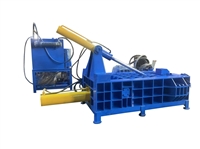
Hydraulic baler, horizontal fully automatic waste paper and plastic compression equipment, high pressure and labor-saving
Category:
Environmental Protection/Solid waste collection and transportation/Garbage packaging machine
Model:
vertical
Brand:
Deer and Machinery
Nominal force:
100-300 tons
Motor power:
15-45kW
packing size:
customizable
Control method:
PLC automatic control
Applicable materials:
Waste paper/plastic/straw/cotton wool
structural form:
Horizontal
Fuel tank capacity:
200-500L
power supply voltage:
380V/50Hz
Retail Price
10,000,000.00USD
重量
kg
- Product Description
-
Nominal force 100-300 tons
Motor power 15-45kW
packing size customizable
Control method PLC automatic control
Applicable materials Waste paper/plastic/straw/cotton wool
structural form Horizontal
Fuel tank capacity 200-500L
power supply voltage 380V/50Hz
Description :
Hydraulic baler is an industrial machinery equipment that uses hydraulic transmission principle to compress and bundle loose materials (such as waste paper, plastic, straw, cotton wool, etc.) with high density. This device mainly solves the pain points of large volume, high transportation cost, and large storage space in the process of recycling waste materials. The huge thrust generated by the main oil cylinder compresses the material into regular and compact blocks, which facilitates forklift handling, container loading, and subsequent warehousing management. Typical operating conditions include waste recycling stations, paper mills, logistics transfer centers, and post warehouse processing in large supermarkets, which are key equipment for achieving material capacity reduction and efficiency improvement.
This hydraulic baler usually uses high-strength steel welded body to ensure that it does not deform or crack under long-term high-pressure working environment. The core power unit consists of an electric motor, an oil pump, a valve group, and a hydraulic cylinder. The system working pressure is usually between 16-25MPa, depending on the tonnage of the model. The implementation standard refers to the relevant hydraulic mechanical specifications of JB/T, and the electrical system is equipped with a PLC programmable controller that supports multiple operation modes including manual, automatic, and semi-automatic. Common configurations include fast loop design to improve idle down speed and shorten cycle time; In terms of safety, there are emergency stop buttons, threshold switches, and overload protection valves to ensure the safety of operators and equipment.
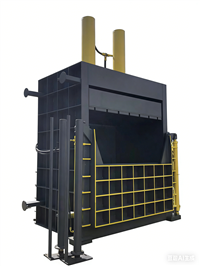
When selecting, special attention should be paid to the nominal force (tonnage), block size, and feeding port size of the packaging machine. For lightweight materials such as waste paper and cardboard boxes, it is recommended to choose a horizontal fully automatic machine with a tonnage of 100-200 tons, which has higher efficiency; For high-density or difficult to compress materials such as plastic bottles, films, or metal shavings, it is necessary to choose models with higher tonnage or pre compression function. If the height of the site is limited, a vertical hydraulic baler can be considered, but its automation level and packing density are usually lower than horizontal models. Attention should be paid to distinguishing between semi-automatic and fully automatic models. Fully automatic models do not require manual tying and are suitable for large-scale continuous operations, while semi-automatic models require manual threading and are suitable for small-scale intermittent production.
When installing the hydraulic baler, it is necessary to ensure that the ground is flat and sturdy, and if necessary, pour concrete foundations to absorb vibrations. The focus of daily maintenance is on the cleanliness of hydraulic oil and oil level inspection. It is recommended to replace the hydraulic oil and clean the filter element every six months to prevent valve group jamming. Regularly check the wear of the chain, wire rope, and cutter, and add lubricating grease in a timely manner. Common faults include insufficient pressure (mostly due to improper adjustment or internal leakage of overflow valves), oil leakage (aging of seals), and malfunction (sensor failure or poor circuit contact). If any abnormalities occur, the machine should be stopped immediately for troubleshooting, and it is strictly prohibited to operate with problems to extend the service life of the equipment and ensure production safety.
AfterSalesService :
Key words:
More Products