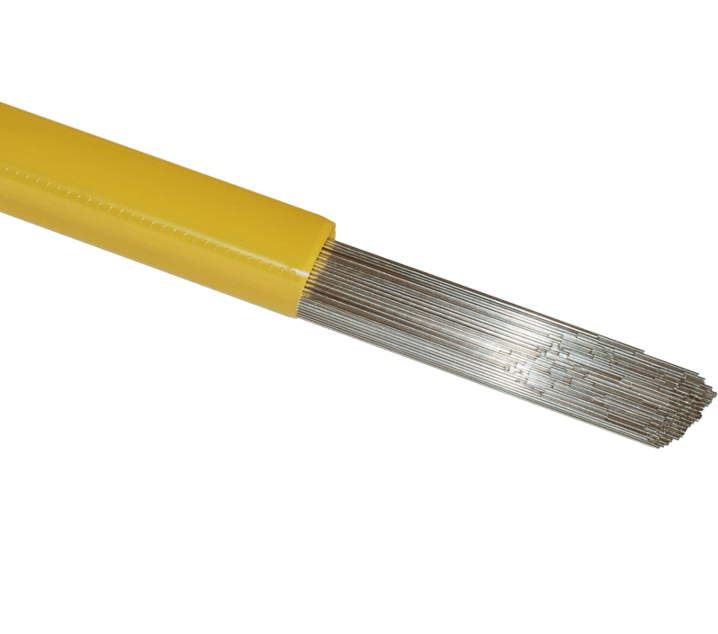

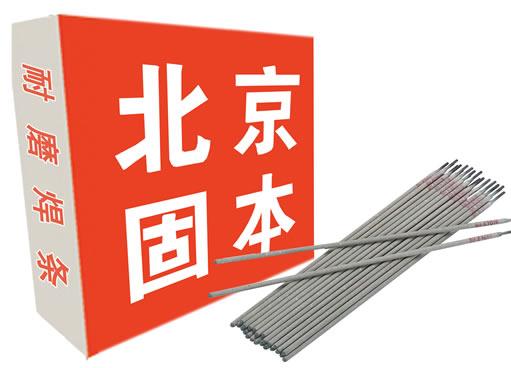
High hardness wear-resistant welding rod surfacing repair of mining machinery components
Category:
hardware/Welding materials and accessories/Welding rod
Model:
various models
Brand:
Shandong Shanghan Welding
Hardness of deposited metal:
HRC50-65
Electrode diameter:
Φ2.5-Φ5.0mm
Type of medicinal skin:
Low hydrogen type/titanium calcium type
drying temperature:
300-350℃
drying time:
1 to 2 hours
Applicable substrate:
Carbon steel/low alloy steel
execution standard:
GB/T 984
Packing Specification:
5kg/box, 20kg/box
Retail Price
10,000,000.00USD
重量
kg
- Product Description
-
Hardness of deposited metal HRC50-65
Electrode diameter Φ2.5-Φ5.0mm
Type of medicinal skin Low hydrogen type/titanium calcium type
drying temperature 300-350℃
drying time 1 to 2 hours
Applicable substrate Carbon steel/low alloy steel
execution standard GB/T 984
Packing Specification 5kg/box, 20kg/box
Description :
Wear resistant welding rod is a welding material specifically used for strengthening and repairing metal surfaces, mainly to solve the problem of component failure caused by friction, impact or abrasive wear of mechanical equipment under harsh working conditions. It uses arc welding technology to deposit a high hardness alloy layer on the surface of the base metal, significantly improving the service life of the workpiece. Typical working conditions include the repair and manufacturing of mining crusher hammer heads, cement plant vertical grinding roller surfaces, excavator bucket teeth, and vulnerable parts of agricultural machinery. This type of welding rod is suitable for surface modification of common substrates such as carbon steel and low-alloy steel, and can effectively resist chiseling wear and high stress abrasive wear. It is a key consumable for reducing spare parts consumption costs in industrial maintenance.
This series of wear-resistant welding rods usually use a low-carbon steel core as the skeleton, and the coating contains a large amount of chromium carbide, tungsten carbide or other hard alloy particles, ensuring that the deposited metal has high hardness characteristics. The common hardness range of deposited metals is between HRC50-65, and the specific value depends on the alloy ratio. The diameter specifications of welding rods are generally between 2.5mm, 3.2mm, 4.0mm, and 5.0mm, with lengths ranging from 350mm to 450mm. The implementation standards usually refer to GB/T 984-2001 "Welding Rod for Welding" or related industry standards, and some high-end products may comply with AWS A5.13 international standards. The types of drug skins are mostly low hydrogen or titanium calcium types, which require drying treatment at 300-350 ℃ before welding to remove moisture and prevent porosity, ensuring the density and bonding strength of the welded joint.
When selecting, it is necessary to distinguish the usage scenarios based on the actual wear type. For working conditions dominated by impact, such as crusher jaw plates, models with good toughness and moderate hardness (HRC50-55) should be selected to prevent peeling; For pure abrasive wear environments, such as screw conveyor blades, models with high hardness (HRC60 or higher) but lower toughness should be selected. It should be noted that wear-resistant welding rods are not suitable for welding structural components that withstand extremely high impact loads and require extremely high toughness, nor are they suitable for non compatible substrates of stainless steel or non-ferrous metals. Compared with ordinary structural welding rods, their processing performance is poor and cutting is difficult, so they are usually only used for surface welding. Subsequent processing requires reserving allowance or using grinding methods.
Before welding, the surface of the workpiece must be thoroughly cleaned of oil, rust, and moisture. If necessary, preheating treatment should be carried out, especially for high carbon steel or thick castings. The recommended preheating temperature is 200-300 ℃ to reduce the risk of thermal stress cracking. During the welding process, it is advisable to use low current and short arc operation. When welding multiple layers, the interlayer temperature should be controlled to avoid diluting the alloy composition due to overheating of the substrate. After welding, it is recommended to slow down or perform stress relief annealing treatment to eliminate residual stress. In daily maintenance, the wear of the weld overlay should be regularly checked. If local peeling is found, it should be repaired in a timely manner to avoid wear spreading to the substrate. When storing, it should be kept dry and ventilated to prevent the coating from getting damp and deteriorating, which may affect the welding quality.
AfterSalesService :
Key words:
More Products