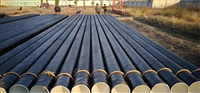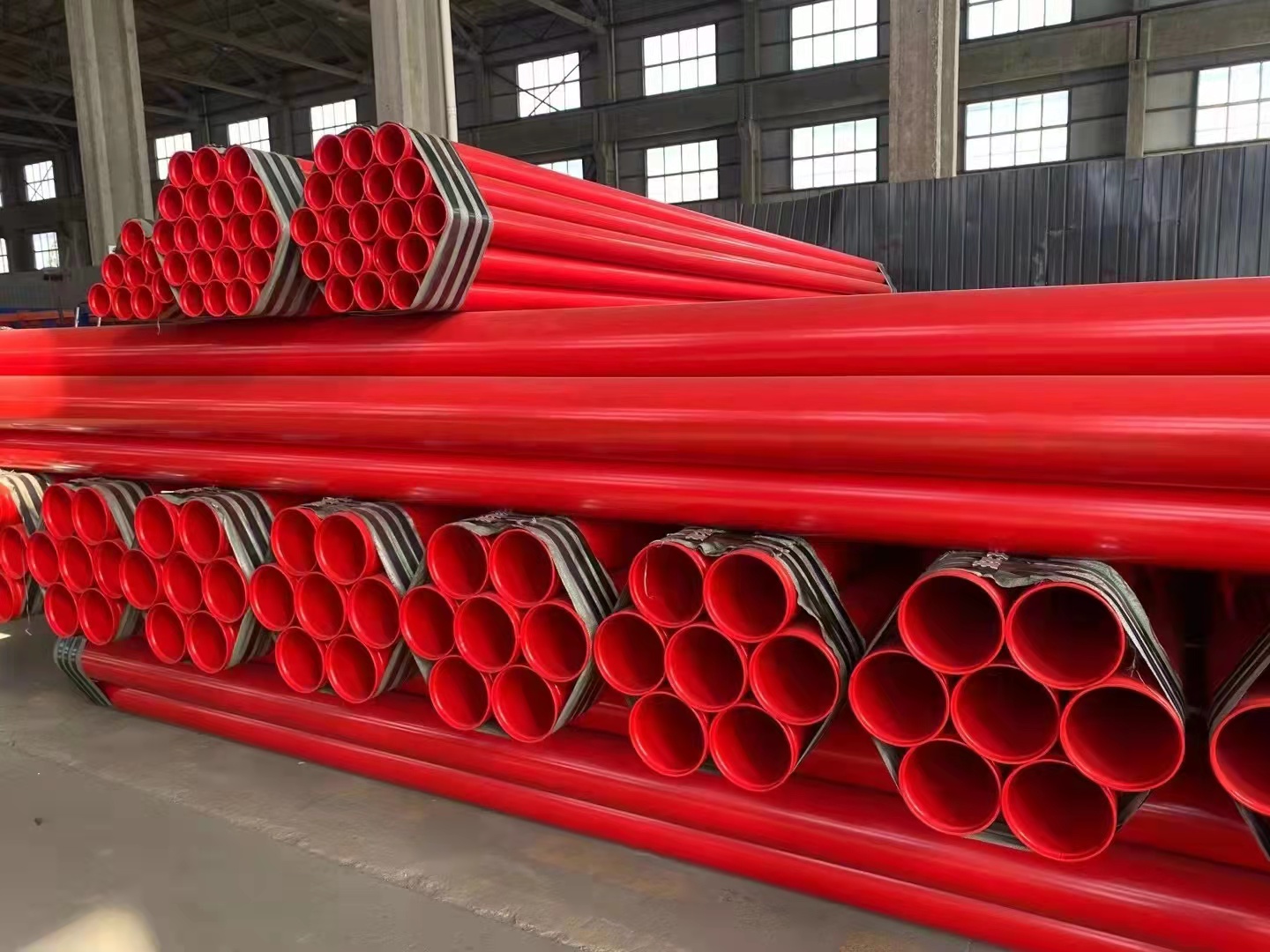

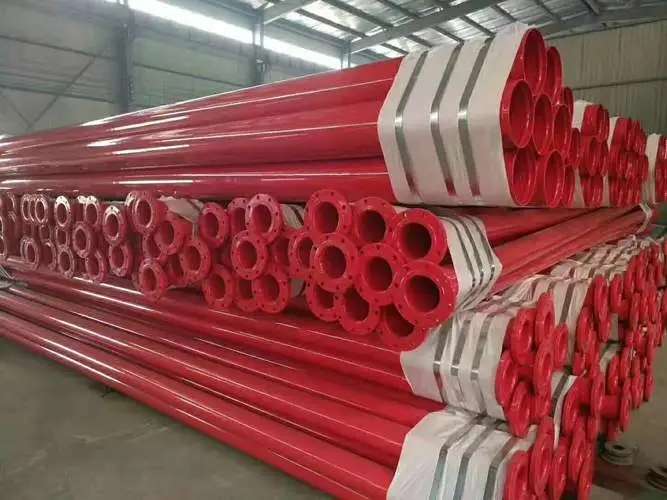
Mining coal safety certificate coated plastic steel pipe with high corrosion resistance and compressive strength, suitable for underground drainage and ventilation in coal mines
Category:
building materials/Rubber tube/Steel plastic pipe
Model:
DN150*6
Brand:
Guosheng Pipeline
Execution Standard:
MT/T192-2008
Security Certification:
MA Coal Safety Certificate
Base pipe material:
Q235B/20 # seamless steel pipe
Coating material:
Polyethylene (PE)/Epoxy Resin (EP)
Nominal Diameter:
DN50-DN1200
work pressure:
1.6MPa-4.0MPa
coating thickness:
≥0.3mm
Operating temperature:
-30℃~80℃
connection method:
Flanges/grooves/threads
Retail Price
10,000,000.00USD
重量
kg
- Product Description
-
Execution Standard MT/T192-2008
Security Certification MA Coal Safety Certificate
Base pipe material Q235B/20 # seamless steel pipe
Coating material Polyethylene (PE)/Epoxy Resin (EP)
Nominal Diameter DN50-DN1200
work pressure 1.6MPa-4.0MPa
coating thickness ≥0.3mm
Operating temperature -30℃~80℃
connection method Flanges/grooves/threads
Description :
Mining coal safety certificate coated steel pipe is a composite pipeline product designed specifically for harsh environments underground in coal mines. It mainly solves the problems of traditional steel pipes being prone to corrosion, scaling, and low strength of plastic pipes. This product is based on high-quality seamless steel pipes or welded steel pipes, and the inner and outer walls are coated with polyethylene (PE) or epoxy resin (EP) powder, which combines the high mechanical strength of metals and the excellent corrosion resistance of plastics. Typical working conditions include underground drainage, compressed air, water supply, and gas drainage systems in coal mines, which can effectively resist the erosion of wet and acidic media underground, ensure the purity of the conveying medium, and ensure the long-term stable operation of the pipeline system. They are key basic materials in modern mine construction.
This coated steel pipe strictly complies with MT/T192-2008 "Coated Steel Pipes for Coal Mines" and relevant national standards, and has a valid coal mine safety mark certificate (MA certification). The common specification range covers DN50 to DN1200, and the wall thickness is usually between 3mm-12mm depending on the pressure level. The coating thickness is generally controlled between 0.3mm-1.0mm, with strong adhesion. After bending test, the coating does not peel off or wrinkle. In terms of material, Q235B or 20 # steel is commonly used as the base pipe, and the coating material meets food grade or industrial grade hygiene standards. The temperature resistance performance is usually between -30 ℃ and 80 ℃. Before leaving the factory, the product needs to undergo electrical discharge testing, water pressure testing, and impact testing to ensure that each mining coal safety certificate coated steel pipe meets the safety requirements for underground use.
When selecting, it is necessary to clearly distinguish the differences between ordinary coated steel pipes and mining coal safety certificate coated steel pipes. The latter must have MA certification before being used in the well. For high-pressure conveying scenarios, it is recommended to use seamless steel pipes as the base pipe model; For high flow drainage, spiral welded pipe base pipe can be chosen to reduce costs. If the working conditions involve high-temperature hot water, epoxy resin coating should be preferred over polyethylene coating because epoxy resin has better temperature resistance. In addition, attention should be paid to the selection of connection methods. Flange connections are easy to disassemble and maintain, groove connections have a fast construction speed, and threaded connections are suitable for small pipe diameters. It is essential to confirm whether the coating color complies with the mine safety signage regulations, typically red for fire protection, yellow for gas, and black or green for drainage.
When installing plastic coated steel pipes for mining coal safety certificates, it is strictly prohibited to violently impact and throw them to avoid damaging the coating. After cutting, the cross-section must be repaired with anti-corrosion measures, which can be treated with specialized repair rods or liquid coatings to ensure the continuity and integrity of the anti-corrosion layer. In daily maintenance, it is necessary to regularly check whether the pipeline supports are secure to prevent loose interfaces caused by vibration. Common faults are often leakage at the interface or local coating damage. If damage is found, it should be repaired in a timely manner to avoid the exposure, rusting, and expansion of the base pipe. In cold regions during winter, it is necessary to pay attention to pipeline insulation measures to prevent the medium from freezing, expanding, and damaging the coating. Reasonable use and maintenance can significantly extend the service life of coated steel pipes, reduce mine operating costs, and ensure production safety.
AfterSalesService :
1年Key words:
More Products