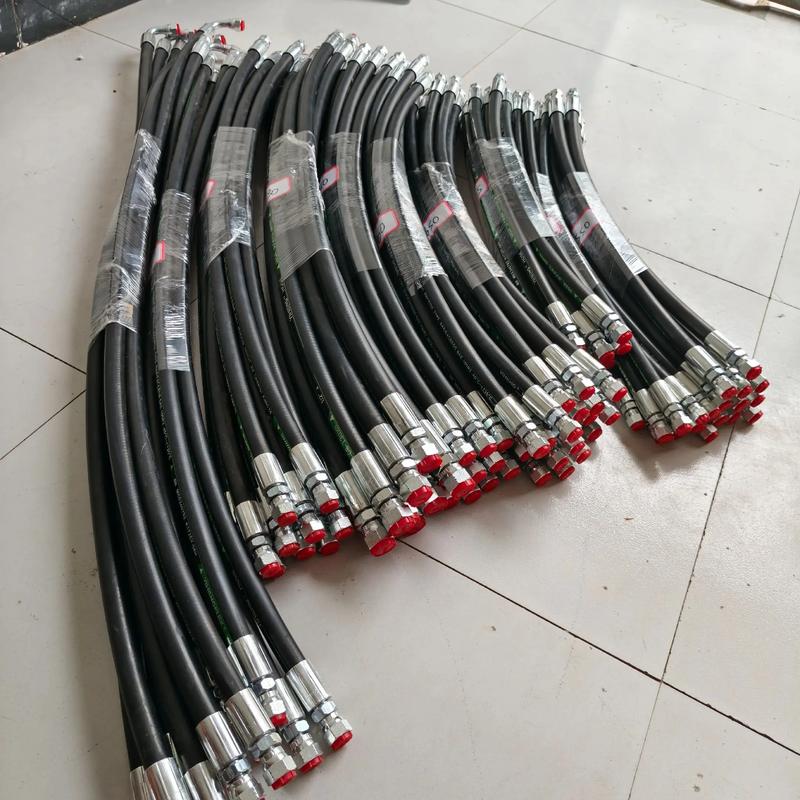

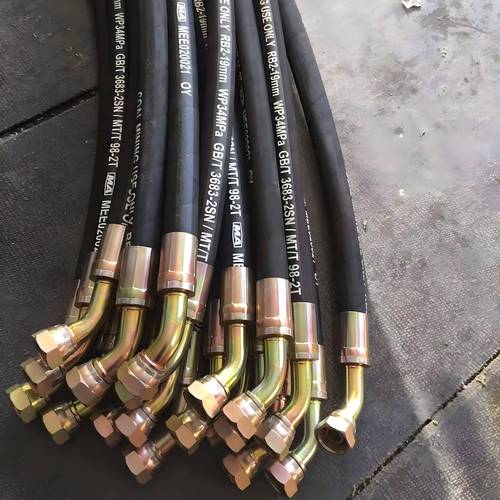
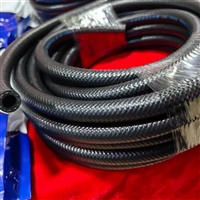
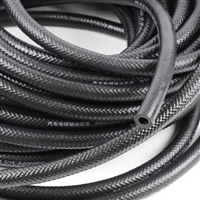
High pressure oil pipe, resistant to high pressure and pulse, suitable for hydraulic systems of construction machinery
Category:
auto parts/Engine system/Oil pipe
Model:
4-30mm
Brand:
sino
work pressure:
10-40 MPa
burst pressure:
≥ 4 times the work pressure
Inner diameter range:
4-30mm
Enhanced layer structure:
Nylon rope weaving/winding
Operating Temperature:
-40 ℃ to+100 ℃
execution standard:
GB/T 3683
Internal adhesive material:
Oil resistant synthetic rubber
External adhesive characteristics:
Wear resistant and aging resistant
Retail Price
10,000,000.00USD
重量
kg
- Product Description
-
work pressure 10-40 MPa
burst pressure ≥ 4 times the work pressure
Inner diameter range 4-30mm
Enhanced layer structure Nylon rope weaving/winding
Operating Temperature -40 ℃ to+100 ℃
execution standard GB/T 3683
Internal adhesive material Oil resistant synthetic rubber
External adhesive characteristics Wear resistant and aging resistant
Description :
High pressure oil pipe is a key connecting component used in hydraulic systems to transmit high-pressure fluids, mainly solving the problem of energy transfer between power sources and actuating components. It is widely used in construction machinery such as excavators, loaders, cranes, and industrial hydraulic equipment, and can withstand extremely high internal pressure and external mechanical stress. This product usually consists of an inner adhesive layer, a steel wire reinforcement layer, and an outer adhesive layer, ensuring stable fluid transmission performance under harsh working conditions, preventing leakage and pipe burst accidents, and ensuring the safe operation of the equipment.
The specifications of high-pressure oil pipes include key indicators such as inner diameter, outer diameter, working pressure, and burst pressure. The common inner diameter range is from 4mm to 30mm, manufactured according to SAE J517 or GB/T 3683 standards. The reinforcement layer usually adopts a nylon rope weaving or winding structure, providing excellent compressive strength and pulse resistance. The working temperature range is generally between -40 ℃ and+100 ℃, and some special materials can withstand higher temperatures. The outer adhesive layer has the characteristics of wear resistance, oil resistance, and aging resistance, adapting to complex working environments and ensuring stable physical properties during long-term use.
When selecting high-pressure oil pipes, special attention should be paid to the working pressure rating and medium compatibility. Steel wire braided pipes with different layers are suitable for different pressure ranges. For example, one layer of braiding is suitable for medium and low pressure, while two or four layers of braiding are suitable for high and ultra-high pressure scenarios. It is necessary to confirm whether the type of hydraulic oil (mineral oil, synthetic oil, etc.) is compatible with the rubber lining. In addition, it is necessary to consider the bending radius and installation space to avoid excessive twisting or stretching of the oil pipe after installation. For working conditions with frequent vibrations, high-pressure oil pipes with stronger fatigue resistance should be selected to extend their service life.
The installation and maintenance of high-pressure oil pipes directly affect the reliability of hydraulic systems. During installation, it should be ensured that the tightening torque of the joint meets the specifications to avoid damaging the sealing surface due to over tightening or causing leakage due to over loosening. Regularly inspect the surface of the oil pipe for cracks, bulges, leaks, or wear, and replace it promptly if any abnormalities are found. Avoid contact between oil pipes and sharp objects or prolonged exposure to high-temperature radiation areas. It is recommended to develop a regular replacement plan based on the frequency of equipment use and environmental conditions. Preventive replacement is usually carried out after 2-3 years of use or when there are obvious signs of aging to prevent sudden failures from causing downtime losses.
AfterSalesService :
Key words:
More Products