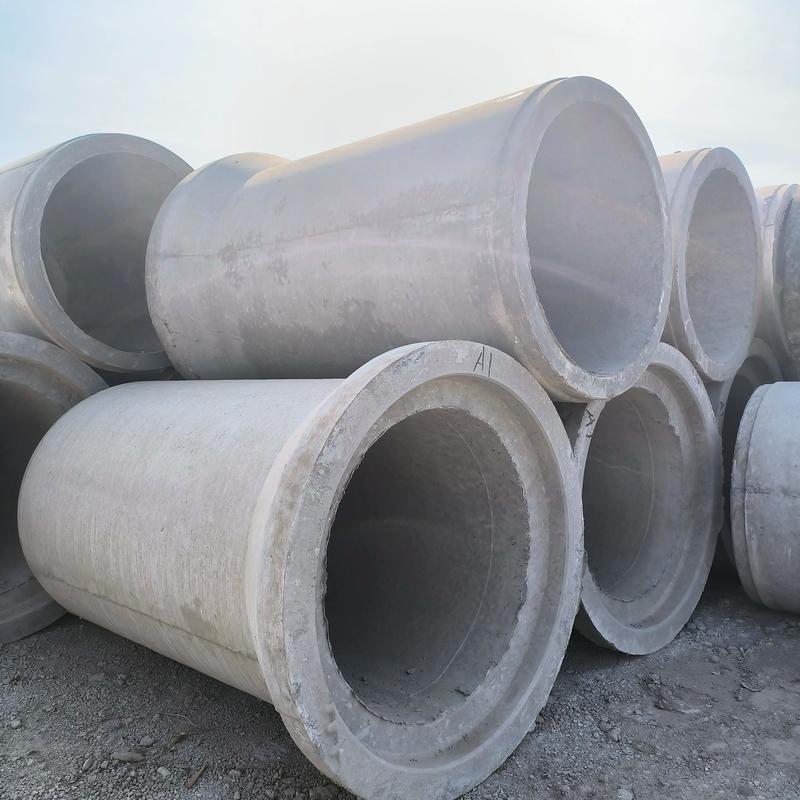

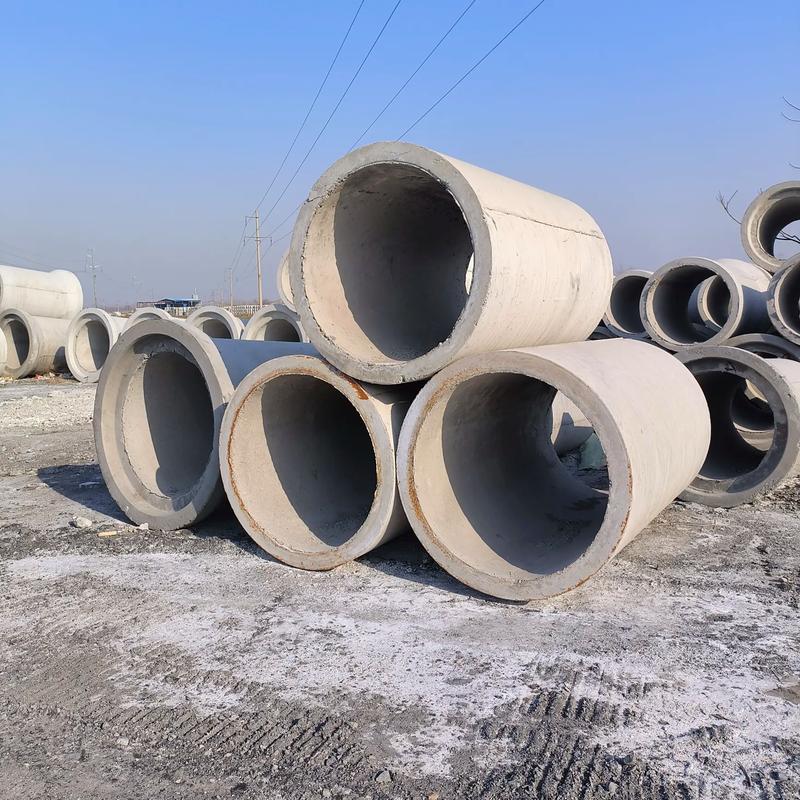
Reinforced concrete drainage pipe socket and mouth type municipal sewage engineering
Category:
building materials/Pipe fittings/Concrete and asbestos cement pipes
Model:
Empty 20 30 40 50 60 70 80 90 100 150 200
Brand:
Kaijiang County Cement Pipe Factory
Execution Standard:
GB/T 11836
Concrete strength grade:
C30-C50
interface form:
Socket/Enterprise/Flat
Common diameter range:
DN300-DN2000
Single section length:
2000mm/2500mm
Load Grade:
Level I/Level II/Level II
Operating temperature:
-20 ℃ to+60 ℃
Main material:
Reinforced concrete
Retail Price
10,000,000.00USD
重量
kg
- Product Description
-
Execution Standard GB/T 11836
Concrete strength grade C30-C50
interface form Socket/Enterprise/Flat
Common diameter range DN300-DN2000
Single section length 2000mm/2500mm
Load Grade Level I/Level II/Level II
Operating temperature -20 ℃ to+60 ℃
Main material Reinforced concrete
Description :
Cement pipes are the basic building materials for urban underground pipeline construction, mainly used for rainwater collection, sewage discharge, and agricultural irrigation systems. This product is formed through centrifugation or hanging roller technology, with high compressive strength and corrosion resistance, which can effectively solve the problems of leakage and collapse in underground fluid transportation. Typical working conditions include municipal road drainage, community rainwater and sewage diversion renovation, and industrial wastewater discharge pipeline laying, which are suitable for construction environments with large burial depths and high load requirements, ensuring long-term structural stability.
Cement pipes are usually made of C30 or higher grade concrete mixed with high-strength steel reinforcement skeleton, in accordance with the national standard GB/T 11836 "Concrete and Reinforced Concrete Drainage Pipes". The common specifications range from DN300 to DN2000 in diameter, with a single section length of generally 2 meters or 2.5 meters. The interface forms are mostly socket, tongue and groove, or flat mouth, which are sealed with rubber rings to achieve flexible connection. The thickness of the pipe wall is determined based on the diameter and load level, usually between 30mm and 150mm. After steam curing or natural curing, it reaches the design strength. The appearance requires smooth inner walls and no honeycomb or rough surfaces on the outer walls, ensuring low water flow resistance and good sealing.
When selecting cement pipes, special consideration should be given to burial depth, ground load, and soil corrosiveness. For areas under the roadway or heavy loads, grade II or III reinforced concrete pipes should be selected to withstand greater external pressure; In non heavy load areas such as green belts or sidewalks, Class I pipes can be used to reduce costs. If the conveying medium has strong acidity or alkalinity, anti-corrosion treatment should be carried out on the inner wall of the pipe or special cement should be selected. Compared with plastic corrugated pipes, cement pipes have higher stiffness and better fire resistance, but they have a larger weight. Therefore, transportation and lifting require corresponding lifting equipment, which needs to be comprehensively balanced according to the construction conditions.
Before installing cement pipes, it is necessary to check whether there are cracks or defects in the pipe body. The foundation should be laid flat and solid, usually using sand and gravel foundations or concrete foundations to evenly distribute the load. When docking, it is necessary to clean the interface debris and install the rubber sealing ring correctly to prevent water leakage caused by twisting. When backfilling soil, it should be compacted layer by layer to avoid large stones directly hitting the pipe wall. Regular dredging of pipelines is necessary during daily maintenance to prevent blockages caused by silt accumulation, especially before the rainy season. A comprehensive inspection should be conducted. If water seepage is found at the interface or structural cracks appear in the pipe body, grouting reinforcement or replacement treatment should be carried out in a timely manner to ensure the safe operation of the pipe network.
AfterSalesService :
Key words:
More Products