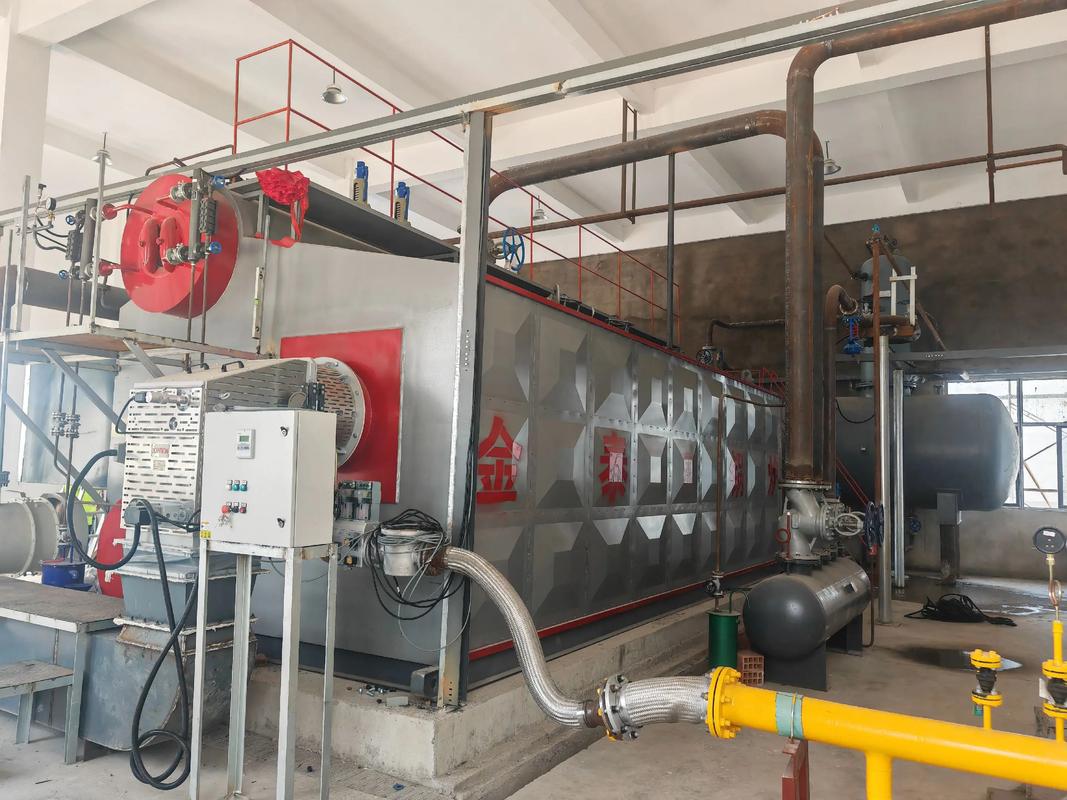

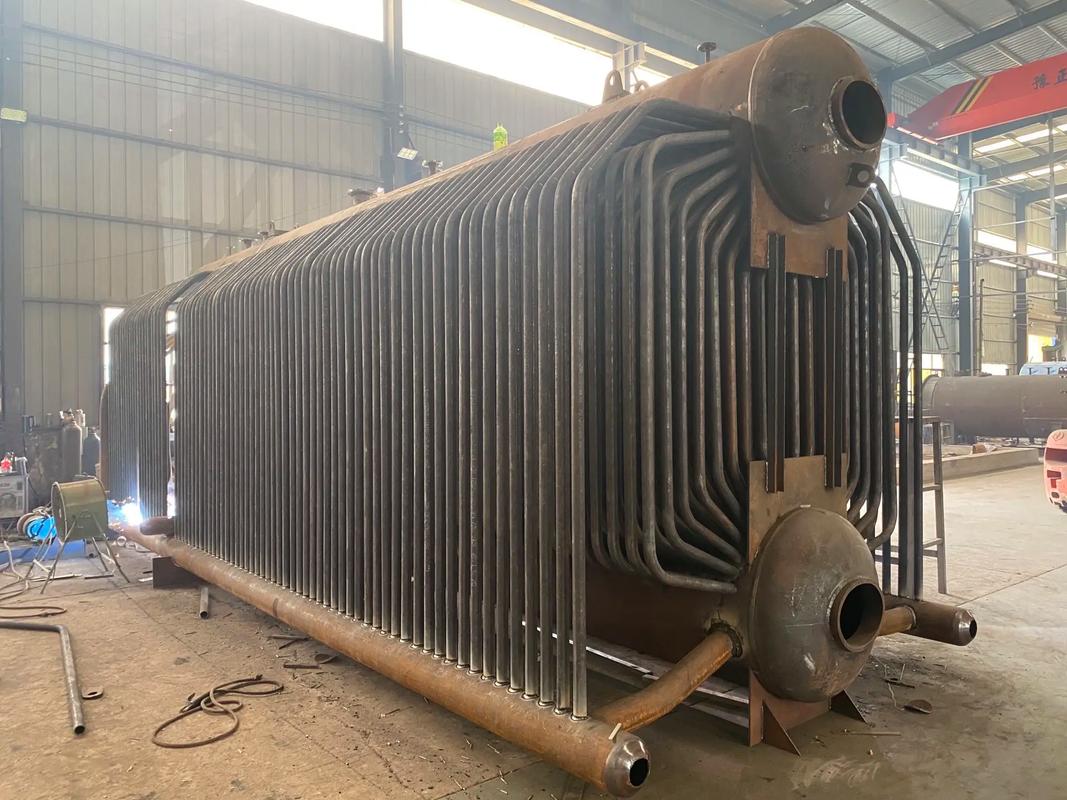
Industrial steam boiler, high-efficiency and energy-saving gas fuel steam generator, dedicated for heating and drying
Category:
mechanical equipment/Industrial boilers and accessories/steam boiler
Model:
WNS/DZL/DZH
Brand:
Hengnuo
rated evaporation capacity:
0.1-30 t/h
Rated working pressure:
0.4-2.5 MPa
thermal efficiency:
≥85%-92%
fuel type:
Natural gas/diesel/liquefied gas
flue gas temperature:
≤180℃
Boiler material:
Q245R/Q345R
Control method:
PLC intelligent fully automatic control
emission standard:
NOx<30mg/m³NOx<80mg/m³
Retail Price
10,000,000.00USD
重量
kg
- Product Description
-
rated evaporation capacity 0.1-30 t/h
Rated working pressure 0.4-2.5 MPa
thermal efficiency ≥85%-92%
fuel type Natural gas/diesel/liquefied gas
flue gas temperature ≤180℃
Boiler material Q245R/Q345R
Control method PLC intelligent fully automatic control
emission standard NOx<30mg/m³NOx<80mg/m³
Description :
A steam boiler is a thermal energy conversion device that utilizes the heat energy released from fuel combustion or other sources to heat water to certain parameters (temperature, pressure) and generate steam. It mainly solves the problem of heat source demand in industrial production, heating, and domestic hot water supply. Typical working conditions include food steaming, textile printing and dyeing, chemical reactions, concrete curing, and hotel and hospital heating. As a core power source, steam boilers ensure continuous operation of production lines through stable steam output. Their core parameters include rated evaporation capacity, working pressure, and thermal efficiency, making them suitable for various industrial and civilian fields that require a large amount of latent heat exchange.
In terms of specifications, steam boilers typically consist of a drum, water-cooled wall, convection tube bundle, economizer, burner, and control system. The common material is Q245R or Q345R boiler specific steel plate, and the welding process must comply with the NB/T 47015 "Welding Code for Pressure Vessels" standard. The implementation standards generally follow GB/T 16508 "Shell boilers" or GB/T 16507 "Water tube boilers", and require special equipment manufacturing supervision and inspection. The typical working pressure range is between 0.7MPa and 1.25MPa, and the thermal efficiency can reach over 90% -98% depending on the type. The combustion system is equipped with low nitrogen burners to ensure emissions meet local environmental requirements. Some models are equipped with energy-saving devices and condensers to recover waste heat and reduce exhaust gas temperature to below 60 ℃.
When selecting, it is necessary to clarify the peak steam consumption, required steam pressure, and fuel type (natural gas, liquefied gas, diesel, or biomass). Gas steam boilers are suitable for areas with high environmental requirements and sufficient gas sources; Oil fired boilers are suitable for areas without natural gas pipelines; Biomass boilers are suitable for areas where fuel costs are low and emissions are allowed. It is important to distinguish between steam boilers and hot water boilers. The former produces phase change steam with high latent heat, making it suitable for process heating; The latter only involves sensible heat exchange and is suitable for heating. If there is a large fluctuation in steam load, it is recommended to choose a steam boiler with strong heat storage capacity or modular combination to avoid frequent start stop affecting the service life. Not suitable for pharmaceutical injection water scenarios with extremely high requirements for steam purity, which require a pure steam generator.
The installation of steam boilers requires construction units with corresponding qualifications to ensure complete certification. Before use, the furnace must be cleaned to remove internal oil and rust, and the safety valve, water level gauge, and pressure gauge must be calibrated. The focus of daily maintenance is on water quality management, strictly implementing the GB/T 1576 "Industrial Boiler Water Quality" standard, regularly discharging pollutants to prevent scaling, which can significantly reduce thermal efficiency and even cause pipe bursts. Regularly check the flame status of the burner, the leak detection alarm device, and the sound of the water pump operation. Common faults include water shortage alarm, unstable pressure, and high exhaust temperature. It is necessary to promptly clean the ash on the heating surface or inspect the water treatment equipment to ensure long-term efficient and stable operation of the equipment.
AfterSalesService :
Key words:
More Products