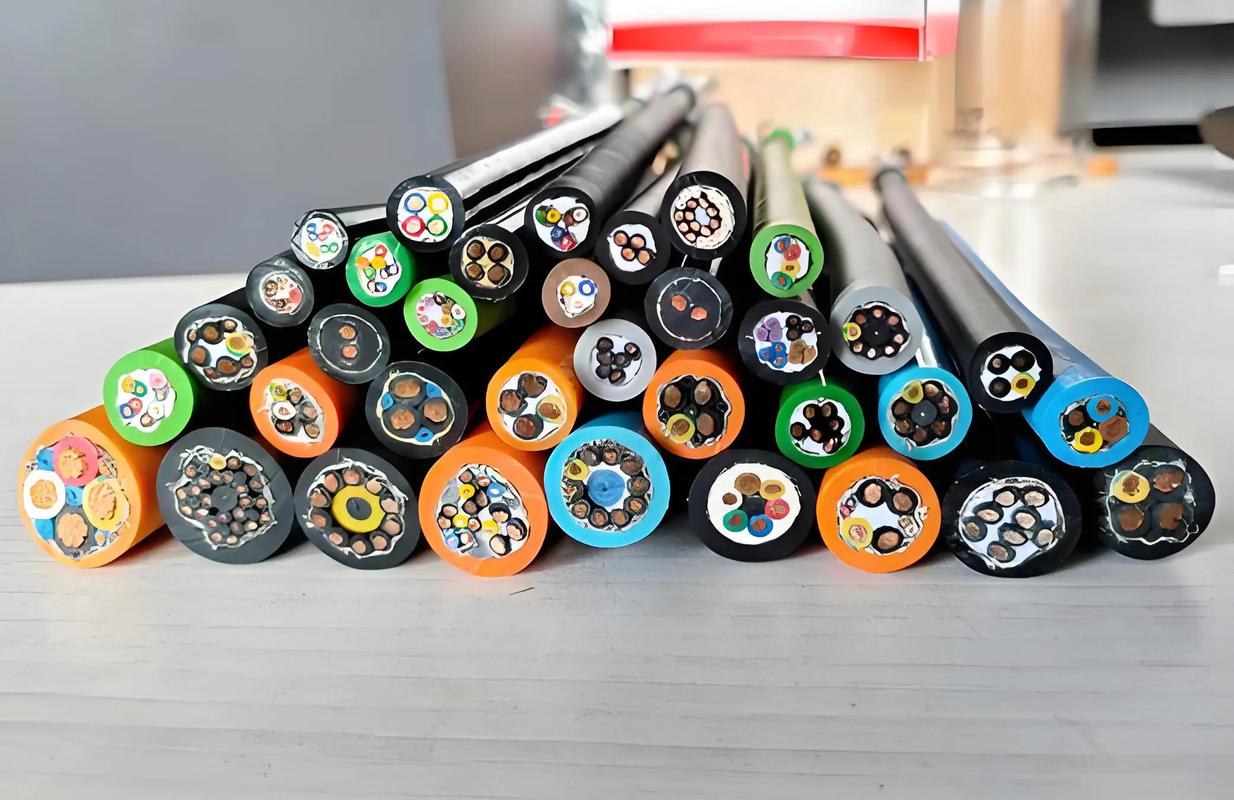

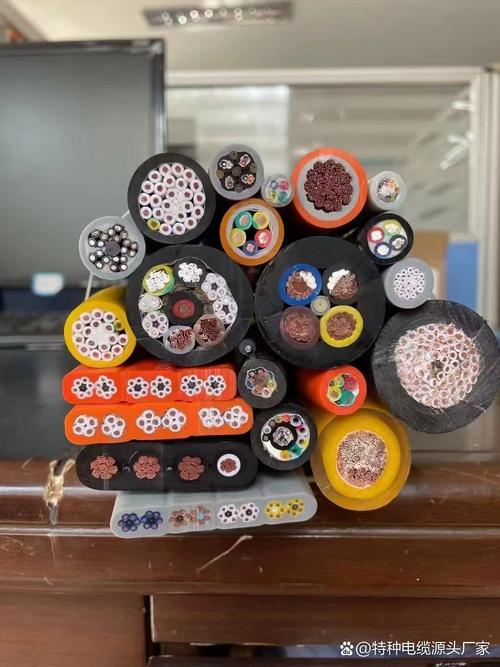
Multi certified special cables UL CE 3C CRCC certified industrial grade flame-retardant and fire-resistant cables
Category:
Electrical Engineering/Wire and cable/Special cable
Model:
UL,CE,3C,CRCC
Brand:
Metano Technology Co., Ltd
Certification Type:
UL/CE/3C/CRCC
Conductor material:
oxygen-free copper
insulating material:
Cross linked polyethylene/low smoke halogen-free
Rated voltage:
0.6/1kV
Operating temperature:
-40℃~90℃
Flame retardant rating:
Class A/B/C
Execution Standard:
GB/EN/IEC/UL
Packaging method:
Disk mounted/shaft mounted
Retail Price
10,000,000.00USD
重量
kg
- Product Description
-
Certification Type UL/CE/3C/CRCC
Conductor material oxygen-free copper
insulating material Cross linked polyethylene/low smoke halogen-free
Rated voltage 0.6/1kV
Operating temperature -40℃~90℃
Flame retardant rating Class A/B/C
Execution Standard GB/EN/IEC/UL
Packaging method Disk mounted/shaft mounted
Description :
Special cables refer to power or signal transmission cables that have special properties and can operate stably in specific harsh environments. This product focuses on solving the problem of conventional cables being prone to failure under extreme temperature, strong corrosion, high electromagnetic interference, or strict fire protection requirements. It is suitable for typical working conditions such as rail transit, petrochemicals, high-rise buildings, and large industrial facilities that require extremely high safety and reliability. As an industrial grade cable that has passed multiple certifications such as UL, CE, 3C, and CRCC, its core advantage lies in complying with both international and domestic standards, ensuring seamless integration between global procurement and local regulations, and serving as the fundamental material for ensuring the continuous operation of critical systems.
This special cable strictly complies with multiple authoritative domestic and international standards, including the US UL standard, EU CE directive, China Compulsory Product Certification 3C, and Railway Product Certification CRCC. In terms of material and process, high-purity oxygen free copper conductors are usually used to reduce resistance losses. The insulation layer and sheath are made of high-performance materials such as cross-linked polyethylene (XLPE), low smoke halogen-free polyolefin (LSZH), or fluoroplastics, which have excellent heat resistance, corrosion resistance, and mechanical strength. The implementation standards cover common specifications such as GB/T 12706 and IEC 60502, and pass strict flame retardant, fire-resistant, low smoke, and non-toxic tests to ensure that the circuit integrity can still be maintained for a certain period of time in emergency situations such as fires. Specific parameters need to be confirmed based on the actual selection specifications.
In the selection stage, it is necessary to clearly distinguish the differences between this special cable and ordinary polyvinyl chloride (PVC) cables. Ordinary cables are only suitable for general indoor dry environments, while this product is suitable for high temperature, low temperature, oil pollution, acid-base corrosion, or densely populated places. If the project involves exporting to Europe and America, UL and CE marks must be recognized; If used in the domestic railway system, CRCC certification is a mandatory threshold; The fire protection circuit of general civil buildings requires 3C certification. Not suitable for ultra-high voltage transmission backbone networks or temporary wiring scenarios that are extremely cost sensitive and not subject to safety regulations. When purchasing, the corresponding model should be selected based on the voltage level (such as 0.6/1kV), number of cores, and laying method (bridge, direct burial, conduit) to avoid excessive or insufficient performance.
During the installation process, the minimum bending radius requirement should be strictly followed, usually not less than 10-15 times the outer diameter of the cable, to prevent damage to the insulation layer. When laying with traction, it is recommended to use dedicated mesh covers or traction heads to control the traction force within the allowable range and avoid tensile deformation. Daily maintenance requires regular inspection of the outer skin for damage, aging, or discoloration, especially in areas with chemical corrosion or outdoor exposure to sunlight. Common faults include poor contact caused by joint oxidation, insulation breakdown, etc. It is recommended to conduct periodic inspections using infrared thermography. Although the product has high durability, it still needs to avoid long-term immersion in water or mechanical damage from sharp objects to extend its service life and ensure system safety.
AfterSalesService :
Key words:
More Products