
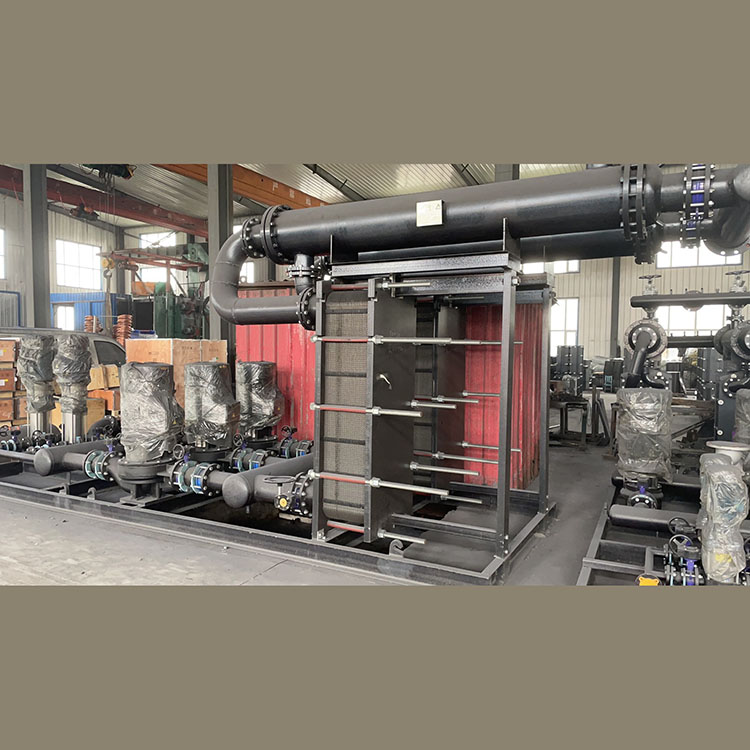
Intelligent and efficient plate heat unit, compact structure, energy-saving operation, dedicated for centralized heating and cooling
Category:
mechanical equipment/Heat transfer equipment/Heat exchanger
Model:
Non-standard customization
Brand:
Deep Law Energy
heat transfer area:
10-500㎡
design pressure:
1.0/1.6/2.5MPa
Operating temperature:
≤150℃
Plate material:
304/316L stainless steel
frame material:
carbon steel
Control method:
PLC automatic control/frequency conversion regulation
connection method:
flange connection
Applicable Medium:
Water/Steam/Thermal oil/
Retail Price
10,000,000.00USD
重量
kg
- Product Description
-
heat transfer area 10-500㎡
design pressure 1.0/1.6/2.5MPa
Operating temperature ≤150℃
Plate material 304/316L stainless steel
frame material carbon steel
Control method PLC automatic control/frequency conversion regulation
connection method flange connection
Applicable Medium Water/Steam/Thermal oil/
Description :
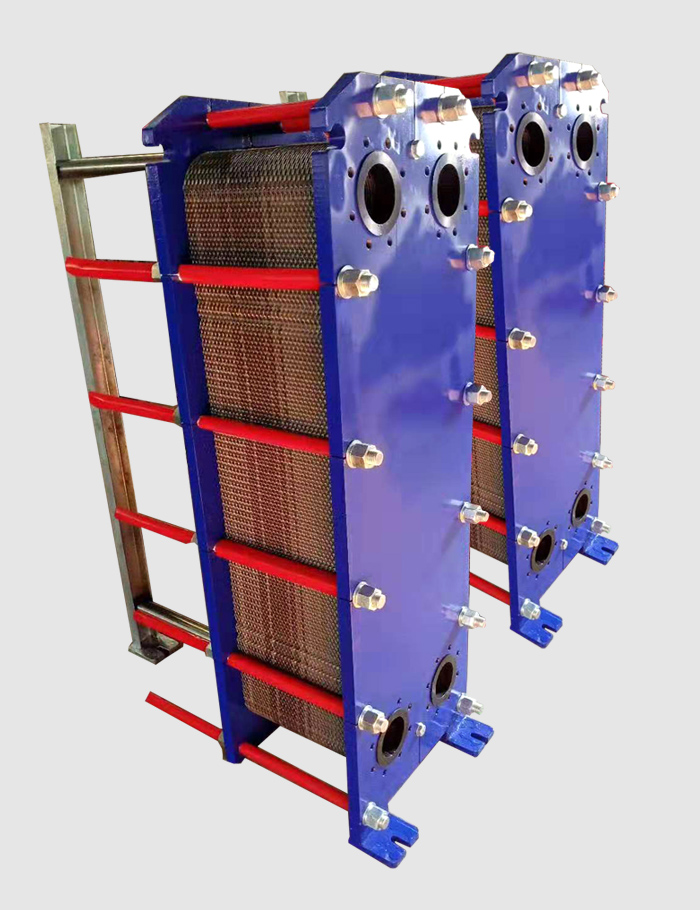
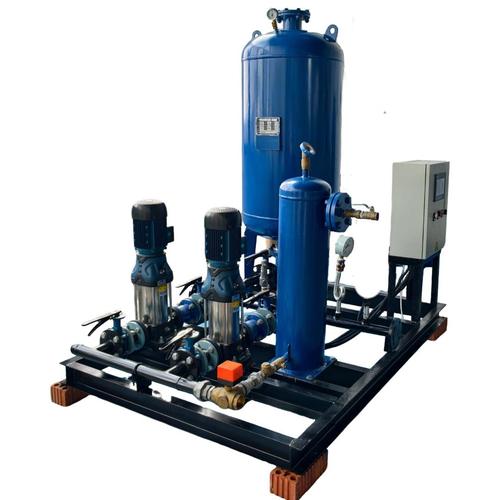
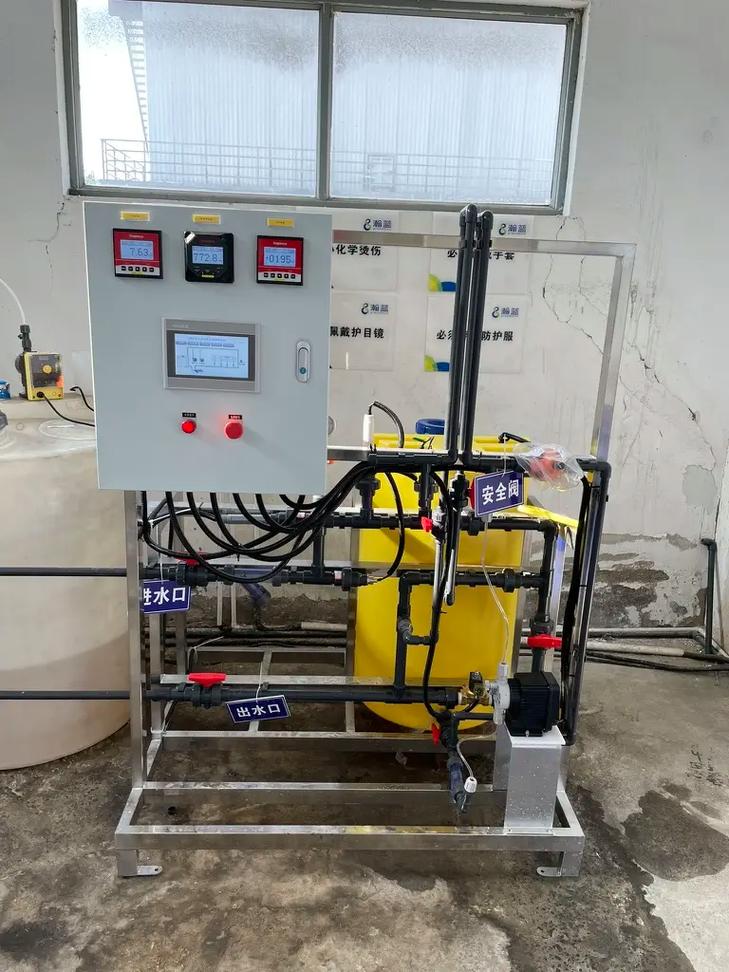
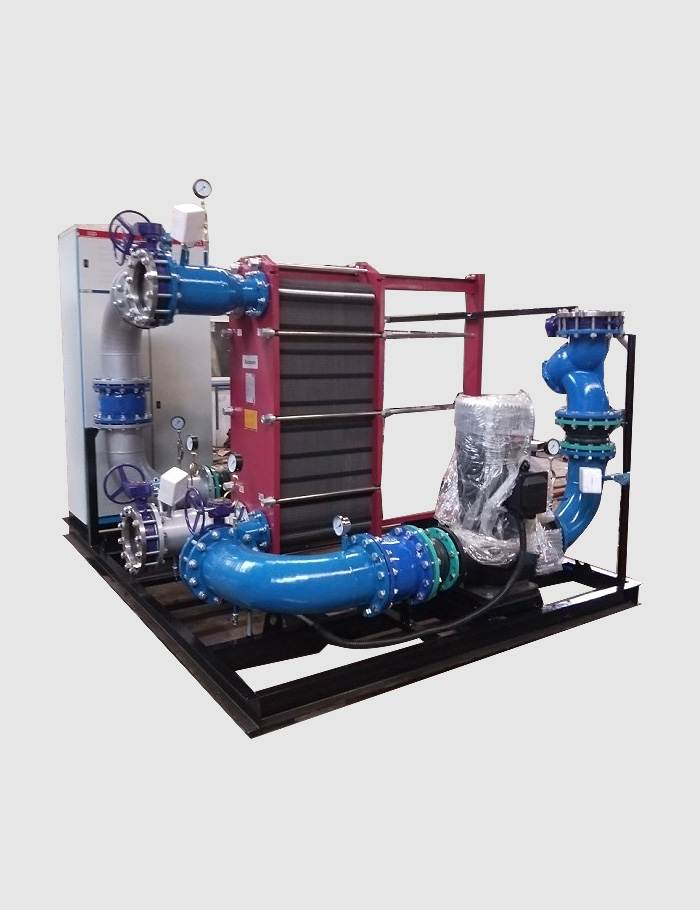
Plate heat exchanger is an intelligent heat exchange equipment that integrates heat exchangers, circulation pumps, make-up water pumps, control cabinets, and pipeline valves. It mainly solves the problems of low heat exchange efficiency, large land occupation, and lagging regulation in traditional heating systems, and is suitable for typical working conditions such as urban centralized heating, central air conditioning refrigeration, and domestic hot water supply. This device achieves heat exchange between the primary and secondary networks through plate heat exchangers, with characteristics such as high heat transfer coefficient, low heat loss, and fast response speed. It can automatically adjust flow and temperature according to changes in end load, ensuring stable system operation and significantly reducing energy consumption. It is a core component of modern building energy management systems.
The core components of the unit are plate heat exchangers made of high-quality stainless steel plates pressed together. The corrugated angle of the plates has been optimized, and the fluid can generate strong turbulence at low speeds, significantly enhancing heat transfer efficiency and reducing fouling deposition. The frame material is usually carbon steel sprayed or stainless steel, with a common pressure bearing capacity of 1.0MPa, 1.6MPa, or 2.5MPa, meeting most civilian and industrial needs. The control system comes standard with a PLC programmable controller, which supports PID automatic adjustment, remote monitoring, and fault self diagnosis functions, and complies with industry standards such as GB/T 16415 "Water Water Plate Heat Exchanger Unit". The entire machine undergoes strict hydrostatic and operational testing before leaving the factory to ensure sealing and electrical safety, and is suitable for operating conditions ranging from -5 ℃ to 40 ℃ in the environment.
When selecting, it is important to consider the heat transfer area, design pressure, operating temperature, and medium characteristics. Plate heat exchangers are suitable for clean media environments with good water quality and no large amount of fiber or particle impurities. If the media contains a lot of impurities, a pre filter is required. Compared with shell and tube heat exchange units, plate heat exchange units have smaller volume, lighter weight, and higher heat transfer efficiency, but their ability to withstand high pressure and high temperature is slightly inferior, and they are not suitable for extreme working conditions exceeding 200 ℃ or pressure exceeding 2.5MPa. When purchasing, the flow rate and temperature difference parameters of the primary and secondary sides should be clearly defined in order to calculate the accurate heat exchange area, avoid waste caused by selecting too large or insufficient heating caused by selecting too small. At the same time, it is necessary to confirm whether a variable frequency pump is needed to achieve further energy-saving regulation.
Sufficient maintenance space should be reserved during installation for future disassembly, cleaning, or adding plates to the plate heat exchanger. Before the initial operation, the pipeline network needs to be thoroughly flushed to prevent welding slag and debris from blocking the flow channel. It is recommended to regularly check whether the clamping bolts are loose and tighten them in a timely manner during the initial operation. Daily maintenance mainly includes monitoring the pressure difference between the inlet and outlet. When the pressure difference increases significantly, it indicates that the plate is scaling and requires chemical cleaning or backwashing; Regularly check the operation sound and vibration of the circulating pump and the make-up pump to ensure good bearing lubrication. Common faults such as decreased heat transfer efficiency are often caused by scaling, while leaks are often due to aging of sealing gaskets or corrosion of plates. It is necessary to replace corresponding components in a timely manner to restore equipment performance and extend the service life of plate heat units.
AfterSalesService :
Key words:
More Products