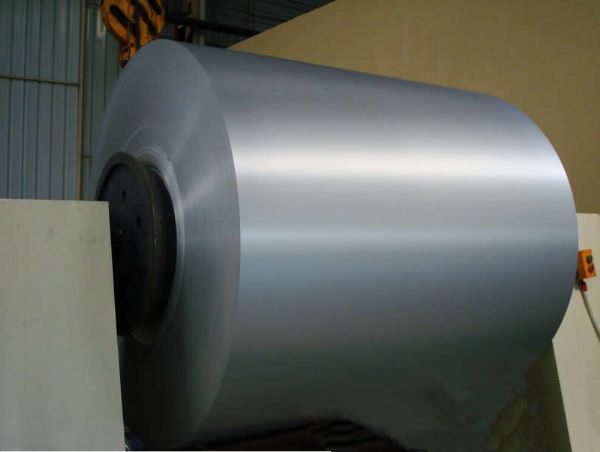

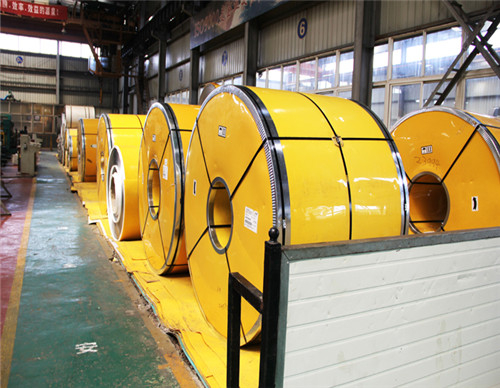
304/430/201 cold-rolled stainless steel coil with a thickness of 0.28-3.0mm, available in stock from Delong Jiugang Hongwang Resources
Category:
metallurgy/Stainless steel plates/Cold rolled stainless steel coil
Model:
304/430/201
Brand:
Zhejiang Sitong
Material Grade:
304/430/201
thickness range:
0.28mm-3.0mm
surface state:
2B surface/BA surface
Execution Standard:
GB/T 3280-2015
Coil inner diameter:
508mm/610mm
Origin Resources:
Delong/Jiugang/Hongwang
Supply form:
Whole roll/fixed futures
Delivery Method:
Steel mill self pickup
Retail Price
10,000,000.00USD
重量
kg
- Product Description
-
Material Grade 304/430/201
thickness range 0.28mm-3.0mm
surface state 2B surface/BA surface
Execution Standard GB/T 3280-2015
Coil inner diameter 508mm/610mm
Origin Resources Delong/Jiugang/Hongwang
Supply form Whole roll/fixed futures
Delivery Method Steel mill self pickup
Description :
Cold rolled stainless steel coil is a stainless steel sheet that has undergone cold processing, with high surface smoothness and good dimensional accuracy. It is widely used in fields such as building decoration, home appliance manufacturing, kitchen equipment, and industrial containers. This product covers three mainstream materials: 304, 430, and 201. Among them, 304 is austenitic stainless steel with strong corrosion resistance; 430 is a ferritic stainless steel with good thermal conductivity and oxidation resistance; 201 is a nickel saving austenitic stainless steel with high cost-effectiveness. The thickness range covers 0.28mm to 3.0mm, meeting the diverse needs of different industries for thin and medium thick plates, and suitable for processing techniques such as stamping, bending, and welding.
In terms of product specifications, the thickness range is 0.28mm-3.0mm, and the width is usually 1000mm/1219mm/1500mm (conventional standard width). The length can be cut or provided as a whole roll according to customer needs. The material shall comply with the GB/T 3280-2015 standard for cold-rolled stainless steel plates and strips. The main components of 304 material include Cr ≥ 18% and Ni ≥ 8%; 430 material contains Cr ≥ 16%; 201 material contains Cr ≥ 16%, Ni ≥ 3.5%, Mn ≥ 5.5%. The surface state is usually 2B surface (obtained by cold rolling, heat treatment, acid washing, and then flat rolling), and some can provide BA surface (bright annealed surface). The inner diameter of the coil is usually 508mm or 610mm, and the weight of a single coil is generally around 3-5 tons, depending on the factory standards of the steel plant.
Selection suggestion: If used for outdoor building curtain walls, food processing equipment, medical devices, or highly corrosive environments, 304 cold-rolled stainless steel coils are preferred for their best corrosion resistance and formability; If used for indoor decoration, elevator panels, home appliance casings, or components with magnetic requirements, 430 cold-rolled stainless steel coils can be selected, which have lower cost and beautiful surface; If used for structural components, decorative strips, or cost sensitive general products in dry environments, 201 cold-rolled stainless steel coils are an economical choice. Please note that 201 material is prone to rusting in humid or acidic environments and is not recommended for use in high corrosion resistance scenarios. When purchasing, it is necessary to clarify the thickness tolerance requirements. The thickness tolerance of cold-rolled plates is usually stricter than that of hot-rolled plates, and precision machining needs to confirm whether it meets specific tolerance levels.
Installation and maintenance: Cold rolled stainless steel coils should be inspected for scratches, residual oxide skin, or roll marks on the surface before opening, slitting, or stamping. During the processing, attention should be paid to mold cleaning to avoid surface rust caused by iron ion contamination, especially for 304 material. It is recommended to use argon arc welding and welding wire that matches the base metal during welding. After welding, acid pickling and passivation treatment should be carried out to restore corrosion resistance. Daily storage should be placed in a dry and ventilated place, avoiding direct contact with carbon steel to prevent electrochemical corrosion. If there are slight stains on the surface, neutral cleaning agents can be used for cleaning; If rust spots are found, they should be promptly treated with stainless steel specific cleaning agents. Futures supply needs to lock in steel plant resources in advance to ensure stable delivery time. When self lifting, attention should be paid to lifting safety to avoid deformation of the coil material.
AfterSalesService :
Key words:
More Products