
High purity organic synthesis raw materials for 1,2,3-trifluoro-6-nitrobenzene pharmaceutical pesticide intermediates
Category:
chemical industry/Phenols/M-nitrophenol
Model:
one
Brand:
Yaoming Chemical
Chinese Name:
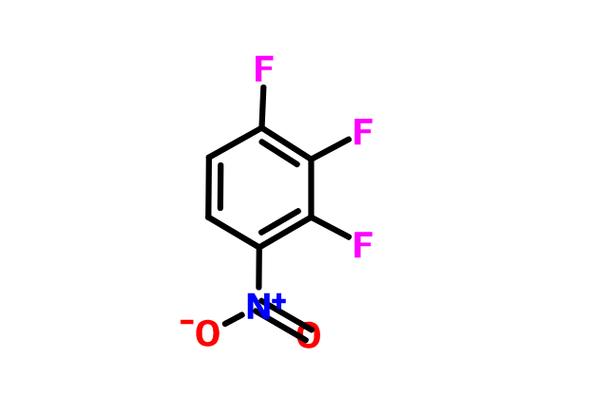
1,2,3-trifluoro-6-nitrobenzene
English name:
1,2,3-Trifluoro-6-nitrobenzene
CAS number:
1737-26-4
Molecular formula:
C6H2F3NO2
molecular weight:
one hundred and ninety-one point zero eight
Appearance:
Light yellow to yellow crystals or powders
purity:
≥ 98% (typical value)
Packaging specifications:
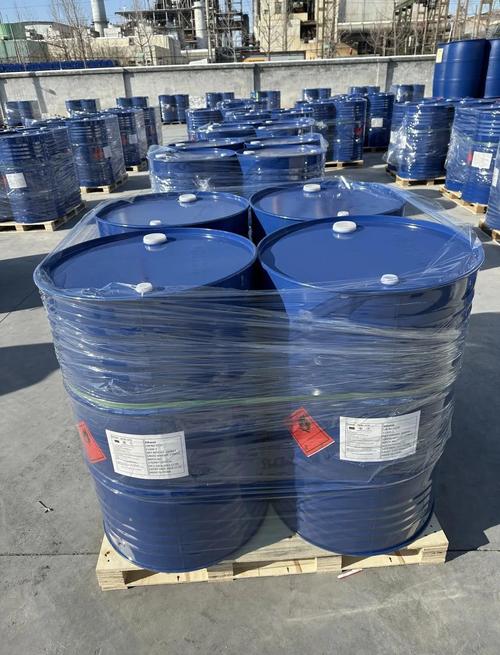
25kg/barrel
Storage conditions:
Store in a cool and ventilated place, sealed and stored
Use:
Pharmaceutical pesticide intermediates
Retail Price
10,000,000.00USD
重量
kg
- Product Description
-
Chinese Name 1,2,3-trifluoro-6-nitrobenzene
English name 1,2,3-Trifluoro-6-nitrobenzene
CAS number 1737-26-4
Molecular formula C6H2F3NO2
molecular weight one hundred and ninety-one point zero eight
Appearance Light yellow to yellow crystals or powders
purity ≥ 98% (typical value)
Packaging specifications 25kg/barrel
Storage conditions Store in a cool and ventilated place, sealed and stored
Use Pharmaceutical pesticide intermediates
Description :
1,2,3-trifluoro-6-nitrobenzene is an important fluorinated aromatic compound, mainly used as a key intermediate in the synthesis of high-end pharmaceuticals, pesticides, and new materials. This chemical significantly changes the electronic distribution and reactivity of the benzene ring by introducing three fluorine atoms and one nitro group, and can participate in various organic reactions such as nucleophilic substitution and reductive coupling. In the pharmaceutical industry, it is commonly used to construct the molecular skeleton of fluorine-containing drugs, enhance the metabolic stability and bioavailability of drugs; In the field of pesticides, it is used to synthesize highly efficient and low toxicity new insecticides or herbicides. Its core value lies in providing specific fluorinated structural units to solve the problems of difficult fluorine introduction or poor positional selectivity in traditional synthesis routes, suitable for fine chemical production conditions with high purity requirements.
The typical appearance of this product is light yellow to yellow crystals or powder, depending on the crystallization process and purity level. Its molecular weight is approximately 191.08 g/mol, CAS number is 1737-26-4, and its molecular formula is C6H2F3NO2. In terms of physical properties, 1,2,3-trifluoro-6-nitrobenzene usually has a specific melting point and boiling point range, which should be referred to in the specific batch quality inspection report. The product follows strict industrial or reagent grade standards, with purity generally controlled at 98% or 99% or above, and extremely low impurity content, especially the control of isomers and other halogenated by-products, which is a key indicator. Packaging usually uses cardboard drums or aluminum foil bags lined with plastic bags to ensure sealing and moisture resistance, in compliance with hazardous chemical storage and transportation regulations. The net weight of each drum is usually 25kg or customized according to customer needs.
In terms of selection and application scenarios, 1,2,3-trifluoro-6-nitrobenzene is mainly suitable for organic synthesis projects that require the introduction of 2,3,6-trifluorophenyl structures. When purchasing, it is important to pay close attention to whether the purity index meets the requirements of subsequent reaction steps. The high-purity version is suitable for early critical steps in multi-step synthesis to avoid impurities accumulating and affecting the final yield. Not suitable for reaction systems that are sensitive to moisture and have not been dried, as trace amounts of moisture may cause hydrolysis side reactions. Compared with ordinary nitrobenzene or monofluoronitrobenzene, 1,2,3-trifluoro-6-nitrobenzene has higher reactivity and better selectivity, but the cost is relatively high. When selecting, it is necessary to confirm whether the position of the fluorine atom conforms to the design path based on the structural requirements of the target product, in order to avoid selecting isomers such as 1,2,4-trifluoro-5-nitrobenzene by mistake.
During use and maintenance, operators must wear appropriate personal protective equipment, including chemical resistant gloves, goggles, and gas masks, as the substance may cause irritation to the skin, eyes, and respiratory tract. When storing, it should be placed in a cool, well ventilated specialized chemical warehouse, away from sources of fire, heat, and oxidants, and keep the container sealed. During use, if the product is found to have clumped or abnormally darkened color, it may indicate moisture or decomposition. It is recommended to retest the purity before use. The disposal of waste must comply with local environmental regulations, and as hazardous chemical waste, it should be handed over to qualified institutions for disposal. It is strictly prohibited to directly discharge it into sewers or the natural environment. Regularly clean the storage area, check the integrity of packaging, and prevent leakage from causing environmental pollution or safety accidents.
AfterSalesService :
Key words: