
Enterprise level large model API interface service with high concurrency and low latency, supporting customized testing
Category:
Digital computer/network equipment /Functional server
Model:
GPT, etc
Brand:
API port
interface type:
RESTful API
transmission protocol:
HTTPS
data format:
JSON
Concurrency Support:
High concurrency and scalability
Billing Method:
Charged based on Token usage
Applicable fields:
NLP/Content Generation/Code Assistance
Deployment method:
Cloud API/Support Testing
response time:
Millisecond to second level
Retail Price
10,000,000.00USD
重量
kg
- Product Description
-
interface type RESTful API
transmission protocol HTTPS
data format JSON
Concurrency Support High concurrency and scalability
Billing Method Charged based on Token usage
Applicable fields NLP/Content Generation/Code Assistance
Deployment method Cloud API/Support Testing
response time Millisecond to second level
Description :
The Big Model API service is a cloud based artificial intelligence interface solution designed to provide convenient access to generative AI capabilities for enterprise developers. It solves the pain points of high cost, difficult maintenance, and high computing power requirements for self built models. Typical working conditions include intelligent customer service dialogue, automatic content generation, code assisted writing, and data analysis and processing. Through the standardized RESTful interface, users can quickly integrate core functions such as natural language processing and logical reasoning into their own application systems to achieve intelligent upgrading of business processes, which is applicable to Internet products and enterprise digital scenarios that require high-frequency AI calling capabilities.
This service is typically deployed on high-performance GPU clusters, supporting high concurrency request processing, with an average response latency controlled within the millisecond to second range, depending on the input token length and model complexity. The execution standard follows the industry standard API communication protocol and supports HTTPS encrypted transmission to ensure data security. The system has elastic scalability and can automatically adjust computing resources based on business peak to ensure service stability. Common technical indicators include query rate per second (QPS) support, maximum context window length, and concurrent connection limit. Some advanced versions support private deployment or dedicated instance isolation, meeting the strict data compliance requirements of industries such as finance and healthcare.
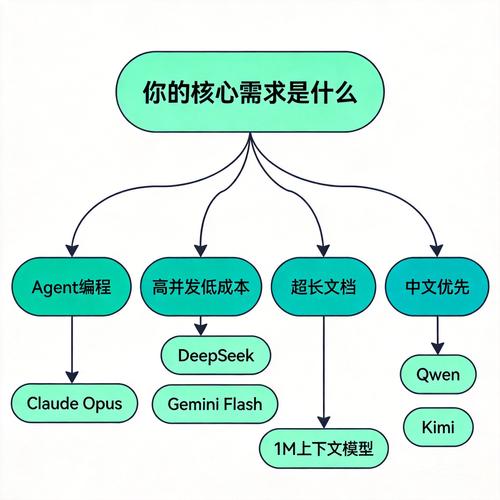
When selecting, it is important to evaluate the real-time and accuracy requirements of the business scenario. For real-time interactive applications such as online assistants, lightweight models with low latency optimization should be prioritized; For complex logic analysis or long text creation, flagship models with larger parameter counts and stronger reasoning abilities should be selected. If the business involves sensitive data, it is necessary to confirm whether the service provider provides a data non storage commitment or a private cloud deployment option. Compared to building open source models on their own, commercial API services eliminate the need for hardware procurement and environment configuration, but require comprehensive consideration of long-term calling costs; Compared to general SaaS software, APIs provide higher development freedom and customization space, making them suitable for technical teams with research and development capabilities to access and use.
Before accessing the large model API service, it is recommended to conduct a small-scale stress test to verify the stability of the interface and ensure that the quality of the returned results meets expectations. In daily use, it is necessary to establish a comprehensive error handling mechanism and set retry strategies for abnormal situations such as timeouts and flow restrictions. Monitor token consumption and expenses, set warning thresholds to avoid budget overruns. Regularly clean up invalid session history to optimize context management and improve response efficiency. Common faults include connection interruptions or parameter format errors caused by network fluctuations. Developers should carefully read the interface documentation to ensure that the request header, authentication key, and Body data structure are correct and error free. If necessary, contact technical support for log troubleshooting assistance.
AfterSalesService :
Key words:
More Products