
Jingke Anyu series high-efficiency monocrystalline silicon photovoltaic modules 720W-735W high power
Category:
energy/Photovoltaic power generation system/Other components
Model:
720/735/645/650
Brand:
Jinko
maximum power:
720W/735W/645W/650W
Battery Type:
monocrystalline silicon
conversion efficiency:
≥22.5%
Working voltage:
40V-45V
open-circuit voltage:
48V-52V
short-circuit current:
18A-22A
Maximum system voltage:
1500V DC
Protection rating:
IP68
warranty period:
25 year linear power warranty
Retail Price
10,000,000.00USD
重量
kg
- Product Description
-
maximum power 720W/735W/645W/650W
Battery Type monocrystalline silicon
conversion efficiency ≥22.5%
Working voltage 40V-45V
open-circuit voltage 48V-52V
short-circuit current 18A-22A
Maximum system voltage 1500V DC
Protection rating IP68
warranty period 25 year linear power warranty
Description :
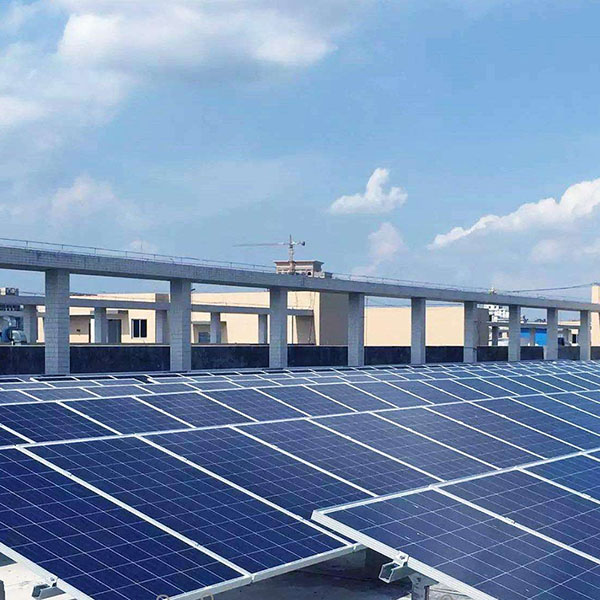
Jingke Anyu series photovoltaic modules are high-efficiency monocrystalline silicon solar panels designed specifically for large-scale ground power stations and distributed industrial and commercial scenarios. This product mainly solves the problem of insufficient power generation efficiency of traditional components under limited installation area. By increasing the individual power to the range of 720W-735W, it significantly reduces the system balance cost (BOS). Typical working conditions are suitable for open areas with abundant lighting resources or large industrial roofs. They can adapt to harsh natural environments such as high temperature, high humidity, and strong wind and sand, ensuring long-term stable power output. They are the core components of modern green energy infrastructure.
This photovoltaic module adopts N-type TOPCon or high-performance P-type monocrystalline silicon cell technology, with specific processes including multi main gate (MBB) technology and half cut technology, effectively reducing internal resistance losses and improving weak light response capability. The size of the components usually follows the standard of large-scale, with a length of about 2.3 meters to 2.4 meters and a width of about 1.1 meters to 1.3 meters, depending on the layout design of different power levels such as 720W, 735W, 645W, or 650W. The execution standard complies with the international certification requirements of IEC 61215 and IEC 61730, and has excellent resistance to PID (potential induced decay) and LID (photo induced decay). Mechanical load testing shows that it can withstand wind pressure and snow loads of 5400Pa on the front and 2400Pa on the back, ensuring structural strength.
In the selection process, it is necessary to choose based on the irradiance conditions of the project site and the load-bearing limitations of the installation bracket. The 720W and 735W high-power models are more suitable for large centralized power stations with high land costs or pursuit of ultimate cost of electricity (LCOE), which can significantly reduce the use of pile foundations and cables; The 645W and 650W models provide high energy efficiency while balancing transportation convenience and installation flexibility, making them suitable for industrial and commercial roof projects that are sensitive to component weight. If the project space is limited and high energy density is pursued, the high-power density version should be prioritized; If the budget is sensitive and the installation conditions are loose, a decision can be made by comparing the single watt price with the full life cycle power generation to avoid blindly pursuing the highest power while ignoring system compatibility.
When installing the Jingke Anyu series photovoltaic modules, it is necessary to strictly follow the electrical connection specifications, ensure correct positive and negative electrode wiring, and use compatible MC4 connectors to prevent the risk of DC arc. It is recommended to regularly clean the dust, bird droppings, or tree leaves on the surface of the components for daily maintenance to avoid the formation of hot spot effects that may affect power generation efficiency or even damage the battery cells. The typical usage cycle can reach more than 25 years, during which the power attenuation rate is usually controlled within 2% in the first year, and the linear attenuation does not exceed 0.55% annually thereafter. Common faults include overheating of the junction box or glass damage. During inspection, the focus should be on checking whether there are burn marks on the back panel and whether the frame grounding is good to ensure the safe operation of the system.
AfterSalesService :
Key words:
More Products