
Lithium battery silicon carbon negative electrode material BG01/02 CVD process with high capacity and long cycle
Category:
chemical industry/Inorganic non-metallic materials/Carbon materials
Model:
BG01/BG02
Brand:
BG
preparation process:
CVD fluidized bed vapor deposition
Substrate type:
porous carbon
active ingredient:
nano-silicon
Surface Treatment:
Carbon coating
cycle life:
≥ 1000 times
Main functions:
Increase negative electrode capacity
Product Model:
BG01/BG02
Application Fields:
Power Battery/Consumer Electronics
Retail Price
10,000,000.00USD
重量
kg
- Product Description
-
preparation process CVD fluidized bed vapor deposition
Substrate type porous carbon
active ingredient nano-silicon
Surface Treatment Carbon coating
cycle life ≥ 1000 times
Main functions Increase negative electrode capacity
Product Model BG01/BG02
Application Fields Power Battery/Consumer Electronics
Description :
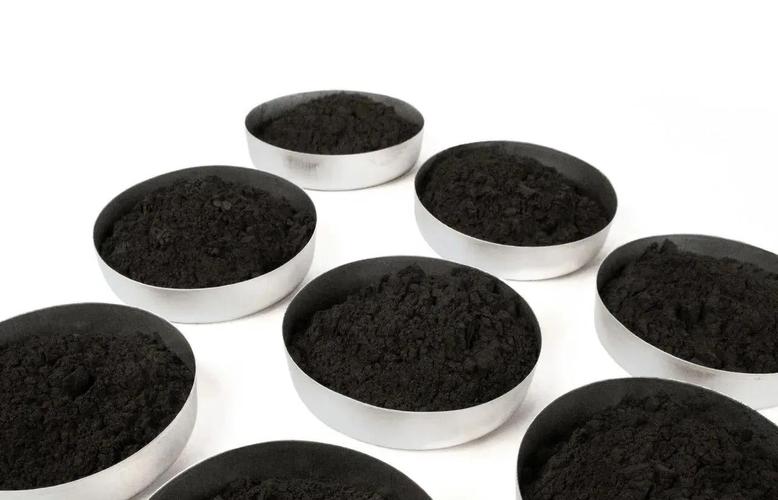
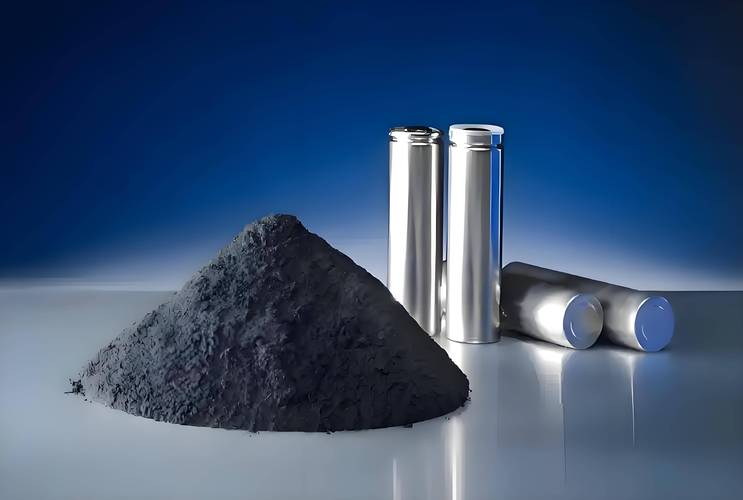
Lithium battery silicon carbon negative electrode material BG01/BG02 is a new type of anode active material designed specifically to improve the energy density of power batteries. It effectively solves the problem of limited theoretical specific capacity of traditional graphite negative electrodes by introducing nano silicon elements, significantly improving the overall lithium storage capacity of the battery. This material is mainly used in new energy vehicle power batteries, high-end consumer electronics batteries, and energy storage systems that require high endurance mileage. Its core advantage lies in the use of CVD fluidized bed vapor deposition technology to achieve microstructure optimization of silicon and carbon, which not only retains the high-capacity characteristics of silicon, but also alleviates the structural damage caused by volume expansion, providing key material support for the next generation of high-energy density lithium batteries, suitable for working environments that require long cycle life and high rate performance.
The silicon carbon negative electrode material BG01/BG02 uses porous carbon as the substrate, and uniformly deposits nano silicon in the pores through CVD fluidized bed vapor deposition technology, followed by dense carbon coating treatment. This unique composite structure design not only constructs an efficient electronic conduction network, but also effectively buffers the volume effect of silicon during charging and discharging processes. Typical technical parameters include high initial coulombic efficiency and excellent compaction density, which comply with mainstream battery manufacturing standards in the industry. The material particle size distribution is uniform, and the specific surface area is controlled within a reasonable range, ensuring the uniformity and consistency of electrode slurry coating. Implementing strict electrochemical performance testing standards to ensure batch stability and meet the stringent requirements for material consistency in large-scale industrial production is an ideal choice for high-performance lithium-ion battery manufacturing.
When selecting BG01/BG02 as the silicon carbon negative electrode material for lithium batteries, it is important to pay close attention to its compatibility with the positive electrode material and the electrolyte. This material is suitable for high nickel ternary positive electrode systems and can fully leverage the advantages of high energy density; If paired with lithium iron phosphate positive electrode, the focus is on improving the volumetric energy density. Compared with pure graphite anodes, silicon carbon anodes have slightly higher costs but significantly improved performance; Compared with pure silicon negative electrodes, it has better cycling stability and processing performance closer to traditional graphite, without the need for significant modifications to existing battery production lines. Not suitable for low-end energy storage scenarios that are extremely cost sensitive and have no special requirements for energy density. When purchasing, the appropriate silicon content model should be selected based on the energy density index and cycle life requirements of the target battery to achieve the best balance between performance and cost.
When using lithium battery silicon carbon negative electrode material BG01/BG02, it is recommended to control the moisture content of the electrode coating to avoid side reactions during pre lithiation process. The typical usage cycle depends on the overall design of the battery, usually maintaining a high capacity retention rate after 1000 cycles. The focus of daily maintenance is on the precise control of the charging cut-off voltage and temperature by the Battery Management System (BMS) to prevent overcharging from causing excessive expansion and rupture of silicon particles. Common faults such as rapid capacity decay are often related to electrolyte decomposition or unstable SEI film, and the formulation of electrolyte additives needs to be optimized. When storing, it should be placed in a dry and cool environment to avoid moisture absorption and affect electrochemical performance. Proper process control and battery management can maximize the long cycle advantages of this material and extend battery life.
AfterSalesService :
Key words:
More Products