
Dell PowerEdge R750/R760 series rack mounted servers with dual high-performance enterprise level hosts
Category:
Digital computer/Complete machine, server/Other complete machine servers
Model:
R750 / R750XS / R760 / R760XS / R450 / R740 / R570 / R770 / R260 / T550
Brand:
Dell
product form:
2U/1U rack mounted
Processor architecture:
Dual Intel Xeon Scalable
Memory type:
DDR4 ECC RDIMM/LRDIMM
Hard disk interface:
SAS/SATA/NVMe
Manage chips:
iDRAC9 Enterprise
Power mode:
Hot swappable redundant power supply
Expansion Slots :
PCIe Gen4/Gen5 x16/x8
network port:
Dual/Four Port 1GbE/25GbE OCP
cooling system:
Intelligent speed regulating fan module
Applicable Scenarios:
Virtualization/Database/AI Reasoning
Retail Price
10,000,000.00USD
重量
kg
- Product Description
-
product form 2U/1U rack mounted
Processor architecture Dual Intel Xeon Scalable
Memory type DDR4 ECC RDIMM/LRDIMM
Hard disk interface SAS/SATA/NVMe
Manage chips iDRAC9 Enterprise
Power mode Hot swappable redundant power supply
Expansion Slots PCIe Gen4/Gen5 x16/x8
network port Dual/Four Port 1GbE/25GbE OCP
cooling system Intelligent speed regulating fan module
Applicable Scenarios Virtualization/Database/AI Reasoning
Description :
Dell PowerEdge series rack mounted servers are high-performance computing platforms designed specifically for data centers, cloud computing, and enterprise core businesses. This product line covers mainstream models such as R750, R760, and R740, supporting Intel Xeon Scalable processors and providing powerful computing power support. Its core advantages lie in modular design and high reliability, which can effectively solve performance bottlenecks in high load scenarios such as virtualization, database processing, and AI inference. As a key component of enterprise level IT infrastructure, it ensures stability in a 7x24 hour continuous operating environment through optimized heat dissipation ducts and redundant power supply design, suitable for various working conditions with strict requirements for data security and business continuity.
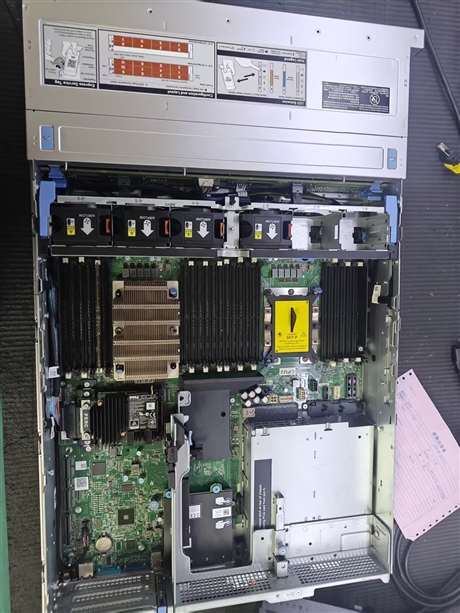
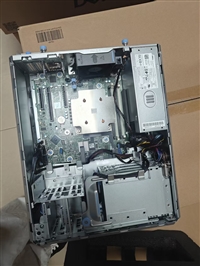
The server adopts a standard 19 inch rack mounting structure, with common specifications of 2U or 1U height, depending on different models such as R750 and R760. The internal layout of the chassis is rigorous, equipped with multiple DDR4 ECC RDIMM memory slots, supporting high-capacity and high-speed memory expansion. The motherboard integrates dual CPU sockets, combined with large-area passive heat sinks and active fan modules, to ensure efficient heat dissipation of the chipset. In terms of storage, the front panel is usually equipped with 8 or more 3.5-inch/2.5-inch hard drive bays, supporting mixed media insertion of SAS, SATA, and NVMe SSD. The power module adopts a platinum or titanium level efficiency certified hot swappable redundant power supply, which complies with the 80 PLUS standard and has an IPMI 2.0 remote management interface, meeting the strict requirements of data centers for energy management and remote operation and maintenance.
When selecting, it is necessary to distinguish the applicable scenarios of different models based on the actual business load. The R750/R760 series is suitable for high-density virtualization, large databases, and ERP systems, with stronger PCIe expansion capabilities and memory bandwidth; R740, as a classic model, has high cost-effectiveness and is suitable for general web services and file storage; Single channel or compact models such as R450/R260 are more suitable for edge computing or lightweight applications. If GPU acceleration or AI training is involved, priority should be given to the R750xs or R760xs versions that support dual wide GPU slots. It should be noted that there are differences in CPU compatibility between different generations of products. For example, the R760 only supports fourth generation and updated processors. When purchasing, it is necessary to confirm the compatibility between the motherboard chipset and the selected CPU to avoid compatibility issues.
Before installation and deployment, it is necessary to check whether the rail kit is complete and ensure that the cabinet's load-bearing capacity and cooling air pressure meet the requirements. In daily maintenance, the hardware health status, including fan speed, temperature threshold, and power load, should be monitored regularly through the iDRAC management interface. If the hard drive indicator light flashes amber, it indicates a possible risk of pre failure and requires timely backup and replacement of data. When cleaning and maintaining, it is necessary to use anti-static tools to clean the dust on the air inlet filter and radiator while the power is off, in order to prevent a decrease in air volume and overheating shutdown caused by dust accumulation. For dismantled or second-hand equipment, it is recommended to perform BIOS firmware upgrades and memory integrity testing before listing to eliminate potential hazards and ensure long-term stable operation of the production environment.
AfterSalesService :
Key words:
More Products