
Professional four pests management service, rodent control, cockroach control, mosquito control, fly control, factory community pest control plan
Category:
Business Services/Daily services for enterprises/pest control
Model:
one
Brand:
one
Prevention and control targets:
Rodents/cockroaches/mosquitoes/flies
Service Mode:
Site investigation+comprehensive disinfection and sterilization+effect monitoring
Common types of medications:
Pyrethroid/anticoagulant/biologics
Execution Standard:
GB/T 27770-27773 series standards
Operation equipment:
Ultra low capacity spray/bait station/sticky catching facility
service cycle:
Customized quarterly/monthly
Security Certification:
Pesticide Registration Certificate/MSDS Chemical Safety Data Sheet
Scope of Application:
Catering/Hotel/Factory/Community/Family
Retail Price
10,000,000.00USD
重量
kg
- Product Description
-
Prevention and control targets Rodents/cockroaches/mosquitoes/flies
Service Mode Site investigation+comprehensive disinfection and sterilization+effect monitoring
Common types of medications Pyrethroid/anticoagulant/biologics
Execution Standard GB/T 27770-27773 series standards
Operation equipment Ultra low capacity spray/bait station/sticky catching facility
service cycle Customized quarterly/monthly
Security Certification Pesticide Registration Certificate/MSDS Chemical Safety Data Sheet
Scope of Application Catering/Hotel/Factory/Community/Family
Description :
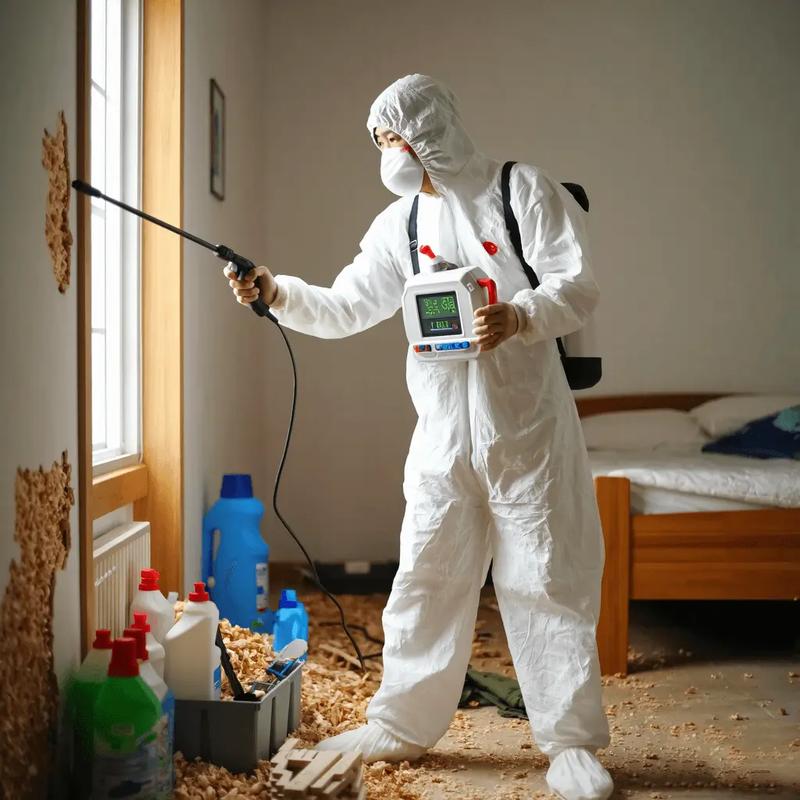
The four pests control service refers to comprehensive prevention and control operations against vector organisms such as mice, cockroaches, mosquitoes, and flies. This service aims to effectively control the density of harmful organisms, block the transmission of diseases, and solve pest problems faced by restaurants, hotels, factories, communities, and households through a combination of physical, chemical, and environmental management methods. Typical working conditions include cockroach prevention in heavily oil contaminated areas of the kitchen, rodent control in warehouse shelves, mosquito control in green belt waterlogging areas, and fly control in garbage transfer stations. The core of the service is to reduce the breeding rate and survival rate of pests, ensure environmental hygiene and safety, comply with the requirements of the Public Place Health Management Regulations, and apply to various enterprises, institutions, and residential areas that have strict assessments of hygiene standards.
The specifications of the four pest control services cover the entire process of on-site investigation, plan formulation, drug application, and effectiveness evaluation. Common pesticides include pyrethroid insecticides, anticoagulant rodenticides, etc., all of which must have a national pesticide registration certificate number and low toxicity environmental certification. The construction process involves residual spraying, ultra-low volume spray, poison bait station delivery, sticky catching facilities layout and gap sealing. The implementation standards refer to national recommended standards such as GB/T 27770-2011 "Vector Density Control Levels for Rodents" and GB/T 27771-2011 "Vector Density Control Levels for Mosquitoes". Operating equipment includes pulse type fogger, electric spray, mechanical rat trap and other professional tools. The service cycle is usually agreed upon quarterly or monthly, and construction record sheets and density monitoring data must be provided after each operation to ensure traceability of the prevention and control process and compliance with national food safety standards for pesticide residues.
When choosing the four pests control service, it is necessary to clarify the applicable scenarios and limitations. This service is suitable for environments with complex indoor and outdoor boundaries, abundant food sources, and many hidden corners, such as food processing plants, agricultural markets, and old residential areas. For situations where relying solely on one-time spraying without cooperating with environmental remediation, the effect is difficult to sustain and therefore not applicable. Compared to purchasing insecticides for self treatment, the advantage of professional services lies in accurately identifying pest species and habitats, adopting a rotation mechanism to avoid drug resistance, and providing long-term monitoring and maintenance. The purchaser should pay attention to distinguishing between ordinary cleaning and professional PCO (pest control) services. The former only does surface cleaning, while the latter focuses on biological density control. If there are serious structural loopholes in the site (such as the pipeline is not blocked), the project rectification shall be completed before disinfection and sterilization, otherwise it is easy to cause repeated migration of pests.
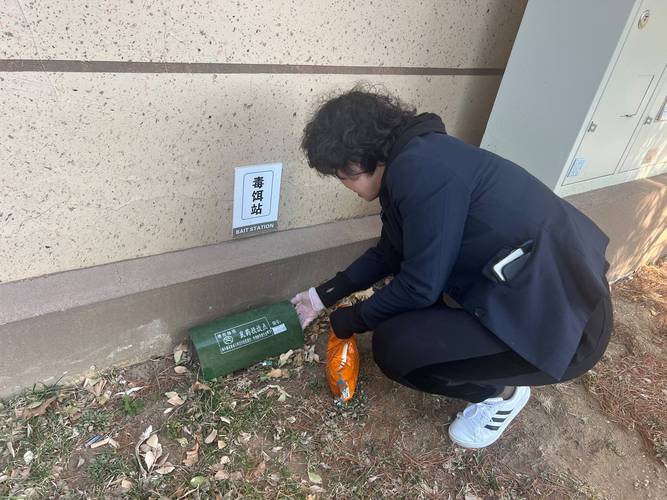
The key to implementing the Four Pests Control Service lies in comprehensive investigation in the early stage and continuous maintenance in the later stage. The installation of poison bait stations should be arranged along the wall base and corners, with a spacing of 5-10 meters, and warning signs should be set up to prevent accidental contact. Daily maintenance recommendations include keeping the environment dry and tidy, promptly cleaning up accumulated water and food residue, and repairing damaged parts of door and window screens. The typical usage cycle is to switch to regular preventive maintenance after the first intensive treatment, and the frequency depends on the season and pest pressure. The frequency needs to be increased during the high incidence period of mosquitoes and insects in summer. Common fault diagnosis includes discovering fresh rat feces, cockroach egg shells, or adult activity trajectories, indicating a rebound in density and requiring immediate activation of emergency killing procedures. Operators must wear protective clothing, masks, and gloves to ensure proper operation and avoid contact with the skin or inhalation of chemicals into the respiratory tract. After the operation, ventilation should be maintained for at least 30 minutes before entering.
AfterSalesService :
Key words:
More Products