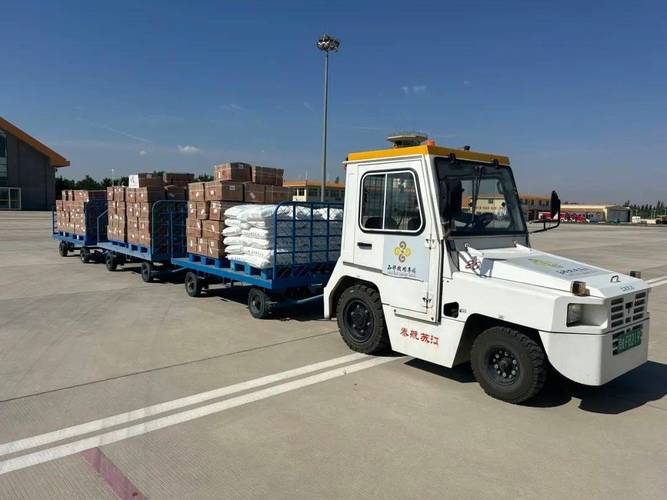

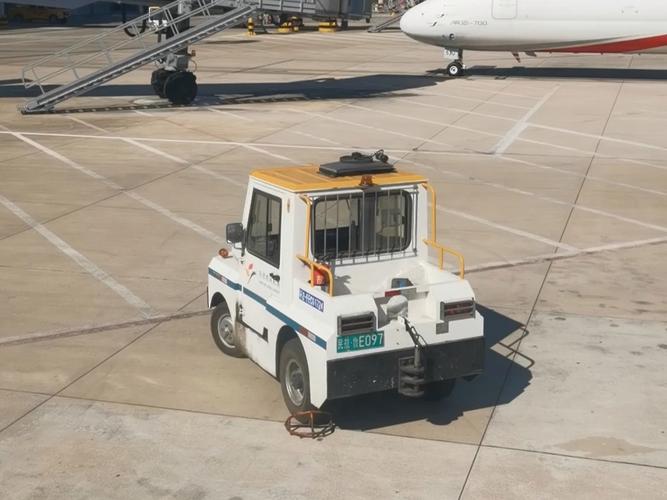
Airport specific luggage towing vehicle with electric diesel option for high traction and low noise
Category:
mechanical equipment/Engineering machinery, construction machinery/forklift
Model:
QSD
Brand:
Hangcha
rated traction:
25000-32000 kg
Power Type:
Electric/Diesel
Maximum driving speed:
25 km/h
Minimum turning radius:
≤3.5 m
Braking method:
Hydraulic/Electromagnetic Brake
driving style:
Standing/Sitting/Driving
Applicable ambient temperature:
-30℃~+50℃
gradability:
≥15%
Retail Price
10,000,000.00USD
重量
kg
- Product Description
-
rated traction 25000-32000 kg
Power Type Electric/Diesel
Maximum driving speed 25 km/h
Minimum turning radius ≤3.5 m
Braking method Hydraulic/Electromagnetic Brake
driving style Standing/Sitting/Driving
Applicable ambient temperature -30℃~+50℃
gradability ≥15%
Description :
The luggage tractor is the core model of airport ground support equipment, mainly used for efficient transfer and loading of passenger luggage between the terminal and the apron. This device solves the problems of low efficiency and poor safety in traditional manual or ordinary vehicle transportation, and is particularly suitable for high-frequency and large-scale luggage collection and distribution conditions. As specialized airport ground handling vehicles, luggage tractors typically have strong traction and stable low-speed control performance, ensuring safe and timely completion of flight support tasks in complex airport operating environments. They are an indispensable part of the modern aviation logistics chain.
The specification design of luggage towing vehicles strictly follows the standards of the civil aviation industry, with a common range of traction force between 3 tons and 10 tons, depending on the vehicle configuration. The power sources are mainly divided into two types: electric and diesel. Electric vehicles have low noise and zero emissions, making them suitable for indoor environments or areas with high environmental requirements; Diesel models have a long range and strong power, making them suitable for high-intensity operations at large hub airports. The body structure is welded with high-strength steel, and the chassis is strengthened to withstand long-term heavy load impacts. The implementation standards usually refer to industry standards such as MH/T 6028 "Civil Airport Luggage Traction Vehicles", equipped with hydraulic steering systems, electromagnetic brakes, and multiple safety warning devices to ensure precise operation and personnel safety.
When selecting a luggage tractor, it is important to consider the airport's daily flight volume, luggage throughput, and the distance of the operating route. For small regional airports, electric luggage tractors with 3-5 tons of traction force can meet the demand and have lower maintenance costs; For large international hubs, it is recommended to choose high-power diesel or hybrid luggage tractors weighing over 7 tons to cope with the continuous operational pressure during peak hours. Attention should be paid to distinguishing between luggage towing vehicles and cargo towing vehicles. The former focuses more on low-speed stability and frequent start stop reliability, while the latter emphasizes maximum speed and long-distance transportation capacity, and should not be mixed to avoid safety accidents caused by differences in braking distance or visibility.
The daily maintenance of luggage towing vehicles is directly related to the service life and operational safety of the equipment. Operators need to check the battery level or fuel level, brake system sensitivity, and tire wear on a daily basis. Regular maintenance includes replacing hydraulic oil, checking the motor carbon brush (for electric vehicles) or engine oil filter (for diesel vehicles). In a typical usage cycle, it is recommended to conduct a comprehensive maintenance every 500 working hours. Common faults such as traction hook jamming and heavy steering are often caused by insufficient lubrication or hydraulic system leaks. It is necessary to promptly clean up foreign objects and replenish the medium. Maintaining vehicle cleanliness, especially the integrity of sensors and lighting systems, is a key measure to ensure safe operations at night and in adverse weather conditions.
AfterSalesService :
Key words:
More Products