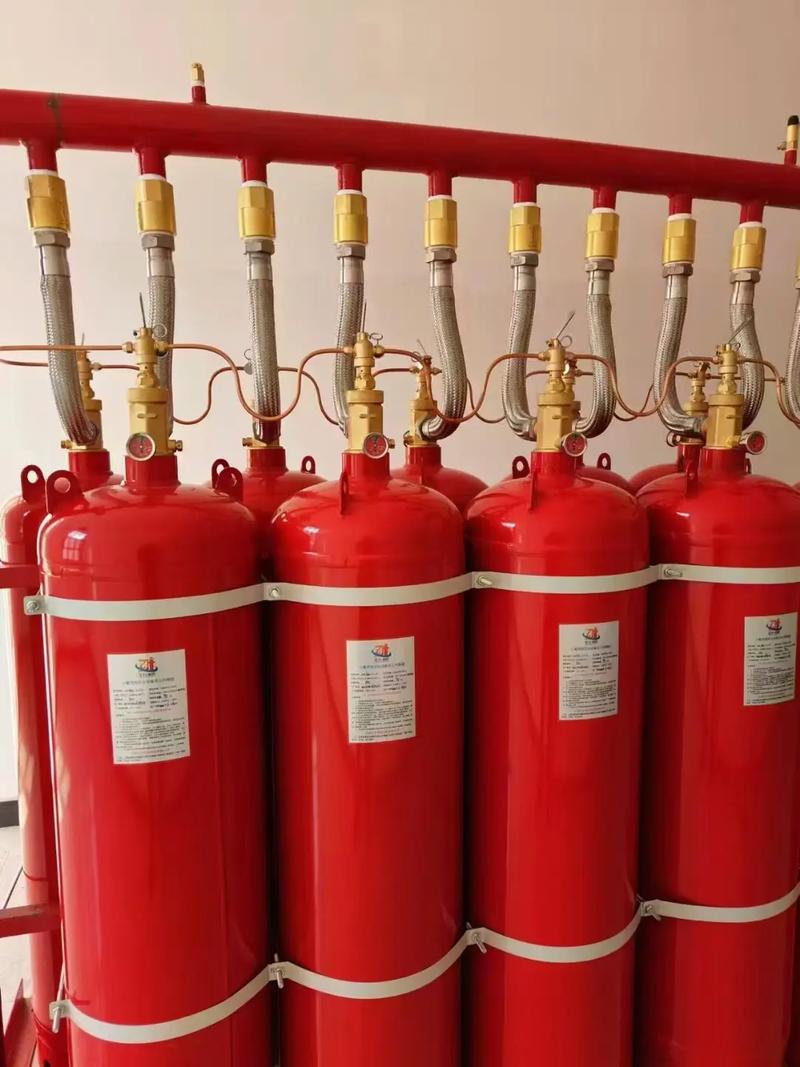

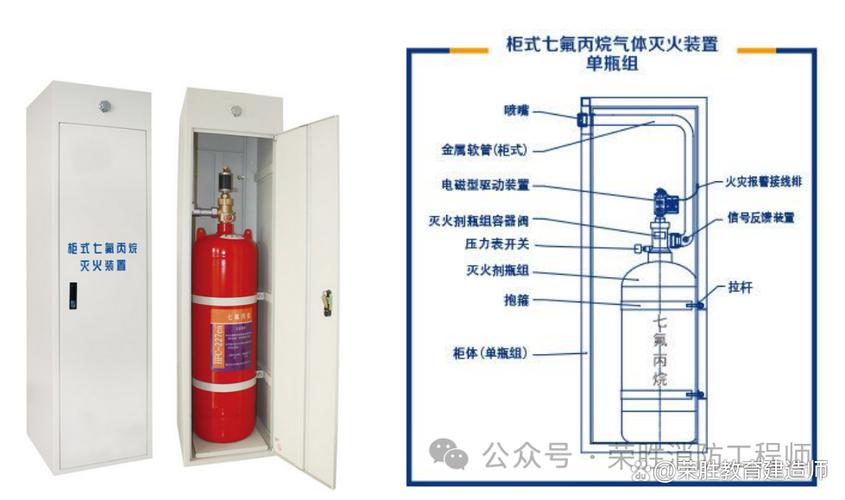
Heptafluoropropane fire extinguishing device cabinet type pipeline hanging clean gas automatic fire extinguishing system
Category:
Security/Firefighting equipment/Fire extinguishing equipment
Model:
40L 70L 90L 100L 120L 180L
Brand:
One Love Firefighting
Type of fire extinguishing agent:
Heptafluoropropane (HFC-227ea)
Work pressure (20 ℃):
4.2 MPa / 5.6 MPa
Extinguishing density:
≥1.15 kg/m³
Spray time:
≤10 s
Immersion time:
≥10 min
Temperature range for use:
0℃ - 50℃
Purity of fire extinguishing agent:
≥99.6%
Execution Standard:
GB50370 / GB16669
Retail Price
10,000,000.00USD
重量
kg
- Product Description
-
Type of fire extinguishing agent Heptafluoropropane (HFC-227ea)
Work pressure (20 ℃) 4.2 MPa / 5.6 MPa
Extinguishing density ≥1.15 kg/m³
Spray time ≤10 s
Immersion time ≥10 min
Temperature range for use 0℃ - 50℃
Purity of fire extinguishing agent ≥99.6%
Execution Standard GB50370 / GB16669
Description :
The heptafluoropropane fire extinguishing device is a clean gas fire extinguishing equipment that uses heptafluoropropane (HFC-227ea) as the extinguishing medium. It is mainly used to extinguish electrical fires, liquid fires, or meltable solid material fires, as well as some solid surface fires. This device interrupts the combustion chain reaction through chemical inhibition and has a cooling effect. After extinguishing the fire, there are no residues, it is non-conductive, and will not cause secondary damage to precision electronic equipment, archival materials, or valuable instruments. Typical working conditions include data centers, communication rooms, power distribution rooms, libraries, museums, and financial bill warehouses, which require high cleanliness in protective areas. This can effectively solve the pain points where traditional water-based or dry powder fire extinguishing agents are not suitable for sensitive environments, ensuring the rapid recovery and continuous operation capability of critical facilities after a fire occurs.
The specification design of heptafluoropropane fire extinguishing device strictly follows relevant national standards such as GB50370 "Design Specification for Gas Fire Extinguishing Systems" and GB16669 "General Technical Conditions for Carbon Dioxide Fire Extinguishing Systems and Components". Common structural forms include cabinet type (prefabricated), pipe network type, and suspension type. The working pressure is usually 4.2MPa or 5.6MPa (at 20 ℃). Seamless steel cylinders are often used as storage containers, and the material meets the Q/CPY standard. The purity of the fire extinguishing agent is generally ≥ 99.6%, the moisture content is ≤ 10ppm, and the acidity is ≤ 1ppm to ensure long-term storage stability. The device is equipped with core components such as electromagnetic drive valves, pressure signals, safety relief valves, and nozzles. The spraying time is usually controlled within 10 seconds, and the immersion time is not less than 10 minutes to ensure that the fire extinguishing concentration is maintained at an effective level. All components must pass the type inspection of the National Fire Product Qualification Assessment Center and have the CCCF certification mark to ensure that the system can reliably start even in extreme temperature environments (0 ℃ -50 ℃).
When selecting a heptafluoropropane fire extinguishing device, it is necessary to clarify the volume, enclosure, and fire type of the protective zone. Cabinet type devices do not require laying pipelines, are easy to install, and are suitable for small spaces or renovation projects; Pipe network is suitable for multiple protective zones or large spaces, and fire extinguishing agents are distributed through a pipeline network; Hanging type is directly installed at the top of the protected area, with extremely fast response speed. It should be noted that heptafluoropropane is not suitable for extinguishing fires caused by reactive metals (such as potassium and sodium), metal hydrides, strong oxidants, and chemical substances that can provide oxygen on their own. Compared with IG541 mixed gas, heptafluoropropane requires less storage space, but may produce trace amounts of hydrofluoric acid at high temperatures. Therefore, the protected area needs to have good ventilation and smoke exhaust conditions. When purchasing, it is necessary to verify whether the design concentration meets the requirements of the maximum protected object. Generally, the design concentration of the electronic computer room is 8% -10%, and ensure that the pressure resistance strength of the protective zone enclosure structure can withstand the internal pressure fluctuations when the fire extinguishing agent is sprayed.
The installation of heptafluoropropane fire extinguishing devices should be carried out by a professional team with fire construction qualifications, ensuring that the nozzle orientation is reasonable and avoiding direct exposure to personnel or precision instruments. In daily maintenance, the pressure gauge pointer should be checked monthly to ensure it is in the green area. If the pressure loss exceeds 10%, the steel cylinder should be replenished or replaced in a timely manner. Every year, functional tests should be conducted on the drive device, solenoid valve, and control circuit to prevent accidental spraying or refusal to operate due to circuit faults. Steel cylinders need to undergo a hydrostatic test every five years to ensure that the container strength meets safety standards. Common faults include abnormal readings on the pressure gauge, open circuit in the electromagnetic drive head coil, or alarm faults in the control host. If any abnormalities are found, the starting power should be immediately cut off and professional personnel should be contacted for troubleshooting. During use, the doors and windows of the protective area should be kept closed. After spraying, ventilation should be carried out to eliminate residual gases and decomposition products. Only after confirming safety can the site be cleaned.
AfterSalesService :
Key words:
More Products