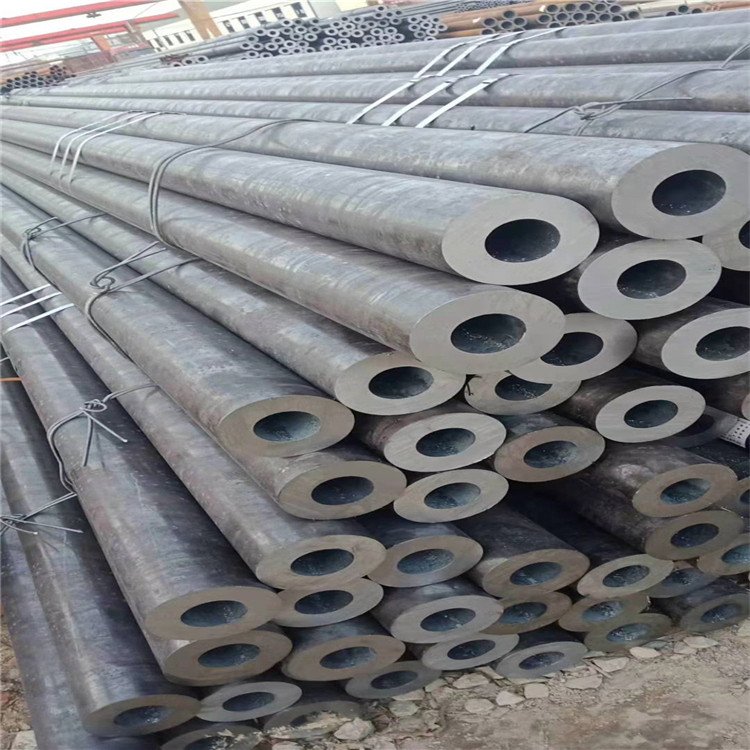

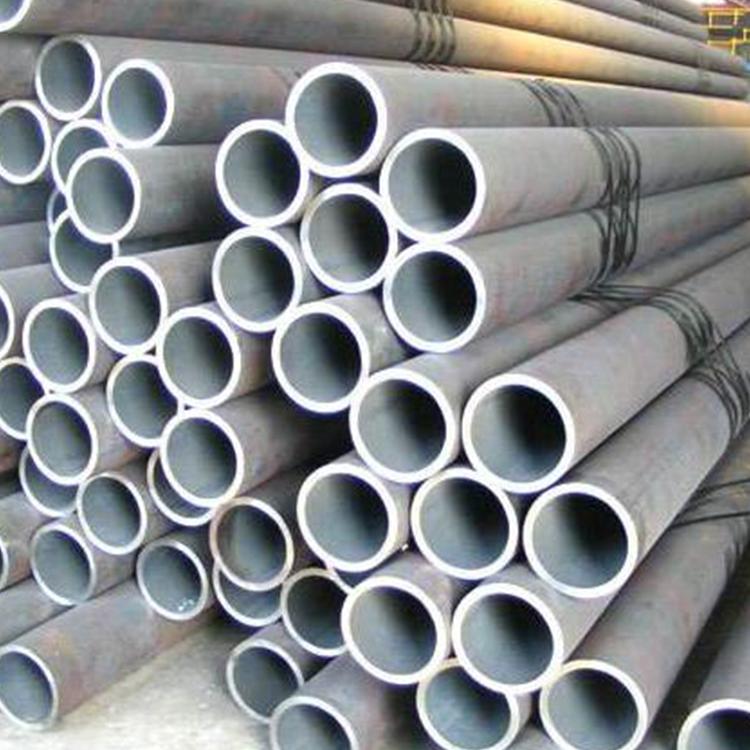
304 stainless steel sanitary grade seamless steel pipe, food and pharmaceutical grade clean pipeline
Category:
metallurgy/Stainless steel pipes/Stainless steel hot-rolled seamless pipe
Model:
complete
Brand:
New Tongda
Material Grade:
304/06Cr19Ni10
production process:
Cold rolled/cold drawn seamless
Surface Treatment:
Acid pickling passivation/BA brightness
Inner wall roughness:
Ra≤0.4μm
Execution Standard:
GB/T 14976-2012
Outer diameter range:
Φ19mm-Φ159mm
Wall thickness range:
1.0mm-3.0mm
Application Industry:
Food/pharmaceuticals/dairy products
Retail Price
10,000,000.00USD
重量
kg
- Product Description
-
Material Grade 304/06Cr19Ni10
production process Cold rolled/cold drawn seamless
Surface Treatment Acid pickling passivation/BA brightness
Inner wall roughness Ra≤0.4μm
Execution Standard GB/T 14976-2012
Outer diameter range Φ19mm-Φ159mm
Wall thickness range 1.0mm-3.0mm
Application Industry Food/pharmaceuticals/dairy products
Description :
304 stainless steel sanitary seamless steel pipe is a pipeline product designed specifically for the transportation of high-purity fluids. It mainly solves the problems of easy residue, difficult cleaning, and bacterial growth on the inner wall of traditional welded pipelines. This category is widely used in typical working conditions with strict hygiene standards, such as food processing, biopharmaceuticals, dairy brewing, and cosmetics production. Its core advantage lies in the seamless process of forming, which avoids the possible micro gaps at the weld seam and ensures smooth flow of the medium without dead corners. 304 material has good corrosion resistance and mechanical strength, and can adapt to various liquid or gas transportation needs from room temperature to medium high temperature. It is the basic component for building modern clean fluid systems and meets the safety requirements of GMP and FDA industry standards for contact materials.
In terms of specifications and processes, 304 stainless steel sanitary seamless steel pipes usually comply with international and domestic mainstream standards such as GB/T 14976 or ASTM A269. The common range of pipe outer diameter covers from Φ 19mm to Φ 159mm, and the wall thickness varies from 1.0mm to 3.0mm depending on the pressure rating. The surface roughness Ra value is usually controlled within 0.4 μ m to 0.8 μ m, and some high standards require up to 0.2 μ m to ensure the mirror effect of the inner wall. The manufacturing process includes precision cold rolling or cold drawing, followed by solution treatment to eliminate stress and restore austenite structure, and finally acid pickling and passivation treatment to form a dense oxide film to enhance corrosion resistance. Each 304 stainless steel sanitary seamless steel pipe must undergo hydrostatic testing, eddy current testing, and intergranular corrosion testing before leaving the factory to ensure that the chromium and nickel content in the material composition meets the standard, without cracks or sand holes, and meets strict industrial inspection standards.
When selecting, it is necessary to clearly distinguish the application boundaries between sanitary seamless pipes and ordinary industrial welded pipes. If the working conditions involve high-purity media, frequent CIP/SIP cleaning, or environments where microbial growth is strictly prohibited, 304 stainless steel sanitary seamless steel pipes must be selected; For general structural support or low-pressure non clean fluid transportation, ordinary welded pipes have a cost advantage. In addition, it should be noted that 304 material is not suitable for high concentration chloride environments. If the medium contains high levels of chloride ions, it is recommended to upgrade to 316L material. In terms of connection methods, this pipe is often used with clamps, flanges, or welded joints. When selecting, it is necessary to confirm whether the pipe end processing form (such as flat mouth, groove) matches the existing pipeline system. The purchaser needs to focus on the outer diameter tolerance and wall thickness uniformity to ensure the sealing performance and system stability during installation, and avoid leakage risks caused by dimensional deviations.
When installing 304 stainless steel sanitary grade seamless steel pipes, it is recommended to use specialized cutting tools to ensure a smooth cut, and deburring is crucial to prevent scratching of seals or the formation of turbulent flow zones. Welding operations require the use of argon arc welding and argon protection to prevent the oxidation and blackening of the weld seam from affecting cleanliness. In daily maintenance, the surface of the pipeline should be regularly inspected for scratches, pitting, or mechanical damage, especially in areas with significant changes in flow rate such as bends and tees. The typical usage cycle can reach more than 10 years, but a regular cleaning plan should be developed based on the characteristics of the medium. It is recommended to use neutral or weakly alkaline cleaning agents and avoid using chlorine bleach. If slight rust spots or atomization are found on the inner wall, timely re passivation treatment should be carried out to restore the anti-corrosion performance of 304 stainless steel sanitary seamless steel pipe, ensuring long-term safety and compliance.
AfterSalesService :
牛逼Key words:
More Products