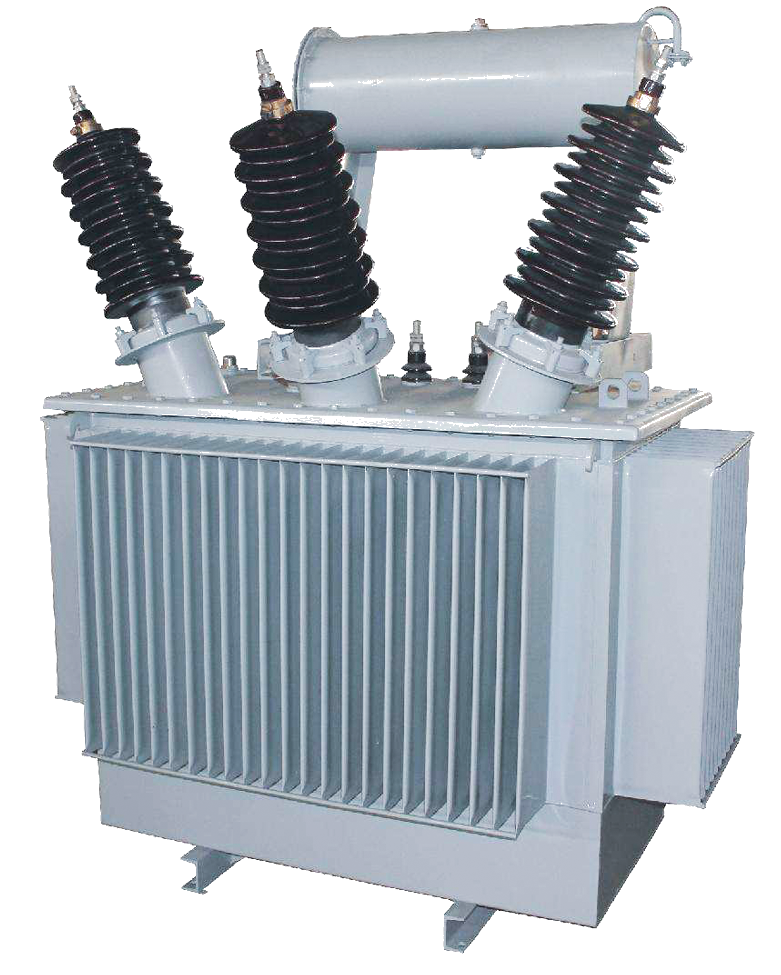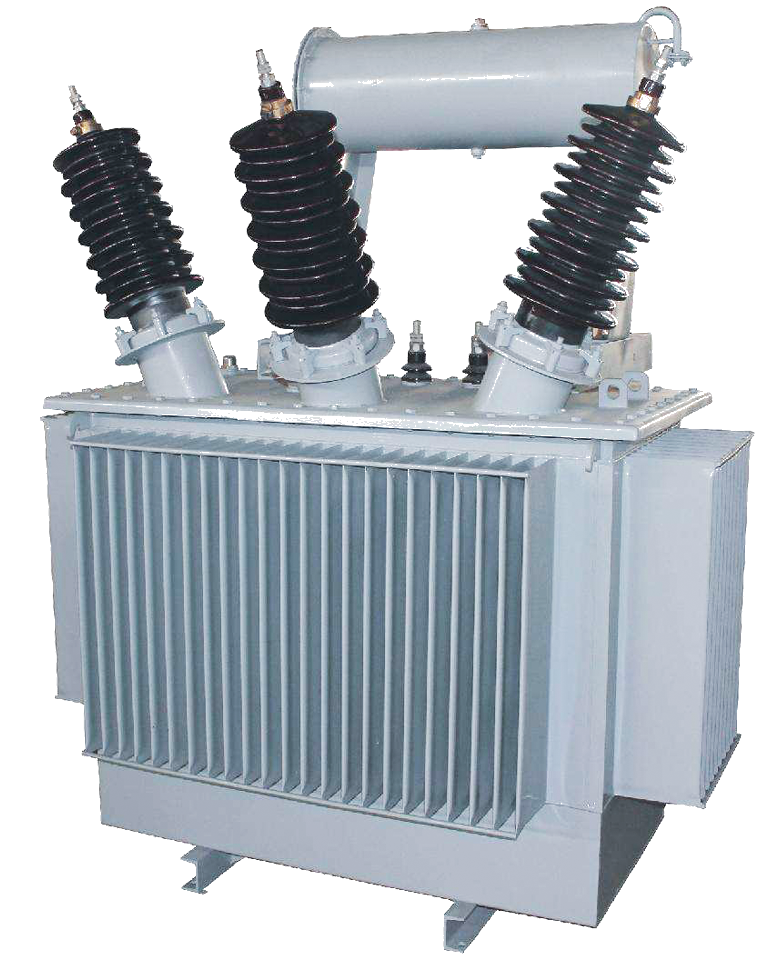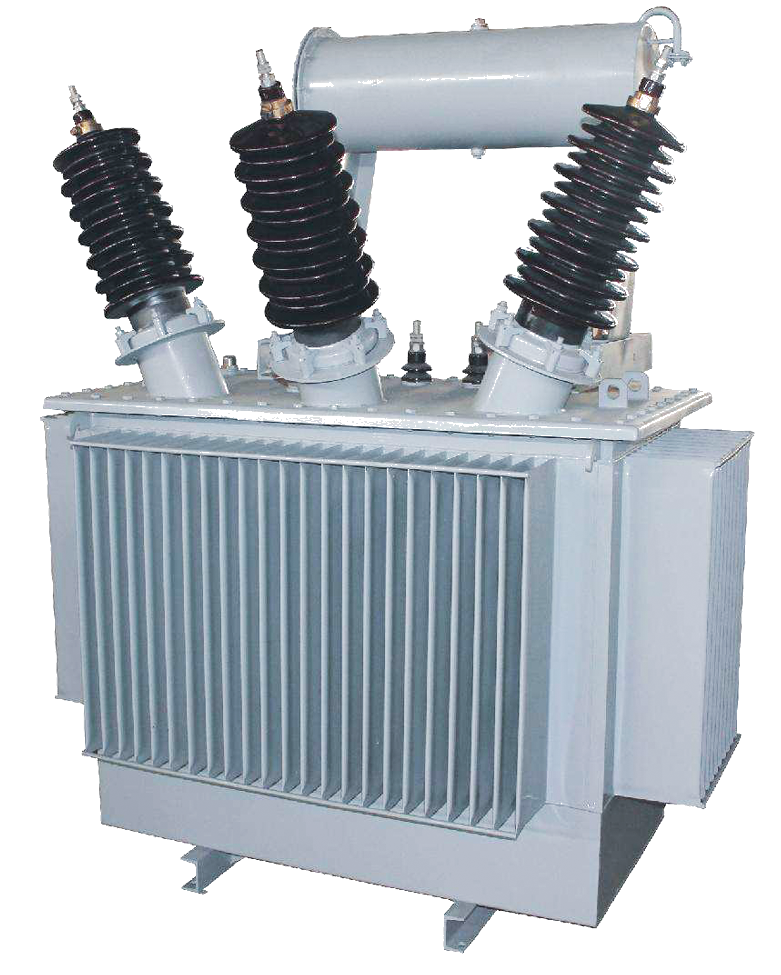

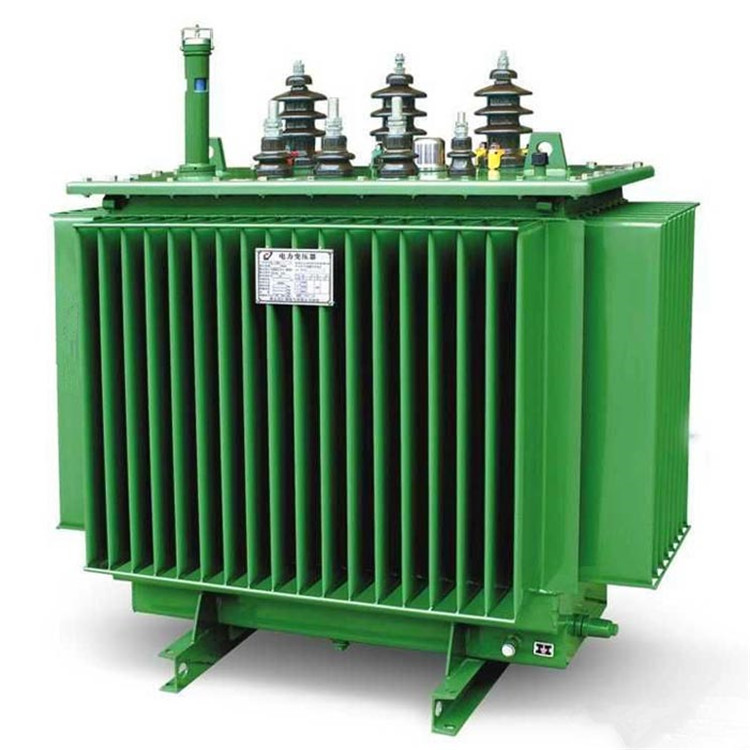
Three phase oil immersed power transformer 10kV energy-saving distribution S11/S13 series
Category:
electron/Transformers, inductors/power transformer
Model:
S11/S13
Brand:
Junyuan Electric Power
Rated capacity:
30-2500kVA
Rated voltage:
10/0.4kV
Connection group:
Dyn11
frequency:
50Hz
cooling method:
ONAN (oil immersed self cooling)
Impedance voltage:
4%-6%
insulation class:
Grade A/Grade E
Shell protection level:
IP20/IP23
Retail Price
10,000,000.00USD
重量
kg
- Product Description
-
Rated capacity 30-2500kVA
Rated voltage 10/0.4kV
Connection group Dyn11
frequency 50Hz
cooling method ONAN (oil immersed self cooling)
Impedance voltage 4%-6%
insulation class Grade A/Grade E
Shell protection level IP20/IP23
Description :
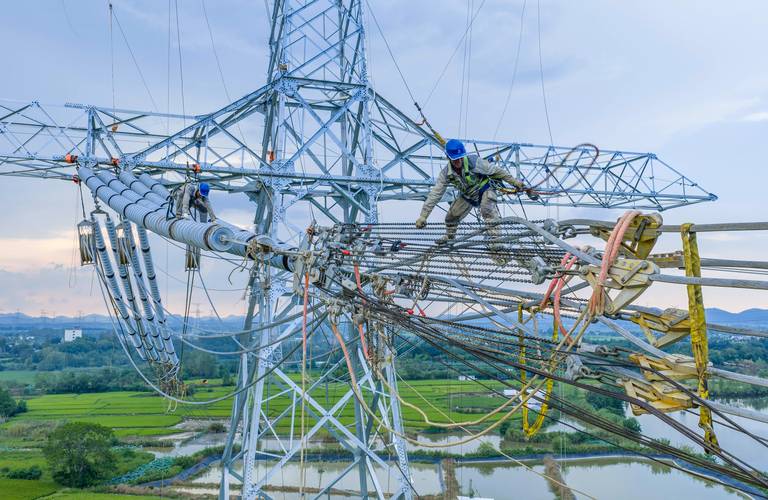
Power transformer is the core static electrical equipment used for voltage conversion in the power system, mainly solving the problem of voltage level matching in the process of energy transmission, ensuring the effective connection between high-voltage transmission and low-voltage distribution. This device converts a certain value of AC voltage into another value of AC voltage of the same frequency through the principle of electromagnetic induction, and is widely used in 10kV distribution networks in industrial and mining enterprises, high-rise buildings, commercial centers, and residential areas. Typical working conditions include outdoor pole mounted installation, indoor substation floor mounted installation, and box type substation supporting use, which can adapt to long-term continuous operation and short-term overload requirements, ensuring the stability and safety of power grid supply.
This series of power transformers usually adopts a fully sealed corrugated oil tank structure or oil storage tank structure. The iron core is made of high-quality high magnetic conductivity cold-rolled silicon steel sheet, and the coil is wound with high-strength oxygen free copper wire. The insulation material is mostly a combination of A-grade or E-grade insulation paper and transformer oil. The implementation standards comply with GB 1094.1-2013 "Power Transformers" and GB/T 6451 "Technical Parameters and Requirements for Oil immersed Power Transformers". The common rated capacity range is from 30kVA to 2500kVA, and the rated voltage ratio is 10 ± 5%/0.4kV or 10.5 ± 5%/0.4kV. The connection group is usually Dyn11, and the impedance voltage is between 4% and 6%. The no-load loss and load loss are both better than the national energy efficiency standard level 2 or level 1 requirements, with lower noise levels and good heat dissipation performance.
When selecting power transformers, comprehensive consideration should be given to the actual load nature, capacity requirements, and installation environment. Suitable for distribution scenarios with relatively stable loads and high energy efficiency requirements, such as residential communities, schools, hospitals, and general industrial plants. If the load fluctuates greatly or there are a large number of harmonic sources, it is recommended to use amorphous alloy transformers or on load tap changers to optimize operating efficiency. Compared with dry-type transformers, oil immersed power transformers have better heat dissipation effect, stronger overload capacity, and relatively lower cost. However, attention should be paid to fire and explosion prevention requirements. They are not suitable for indoor enclosed spaces with extremely high fire resistance levels or directly embedded in the main structure of buildings. In this case, epoxy resin cast dry-type transformers should be considered first.
The installation of power transformers should be carried out by qualified professionals, with a focus on checking the foundation levelness, grounding resistance value, and the tightness of high and low voltage bushing connections. Before operation, insulation resistance testing, DC resistance measurement, and transformation ratio group testing should be conducted to ensure that all indicators are qualified. It is recommended to regularly inspect the oil level, oil temperature, and oil leakage situation for daily maintenance. A preventive test should be conducted once a year, including oil chromatography analysis and pressure resistance test. Common faults such as gas relay operation, abnormal oil temperature rise, etc. require immediate shutdown to check for internal short circuits, overheating, or insulation aging. It is strictly prohibited to operate with faults to extend the service life of equipment and ensure the safety of the power grid.
AfterSalesService :
Key words:
More Products