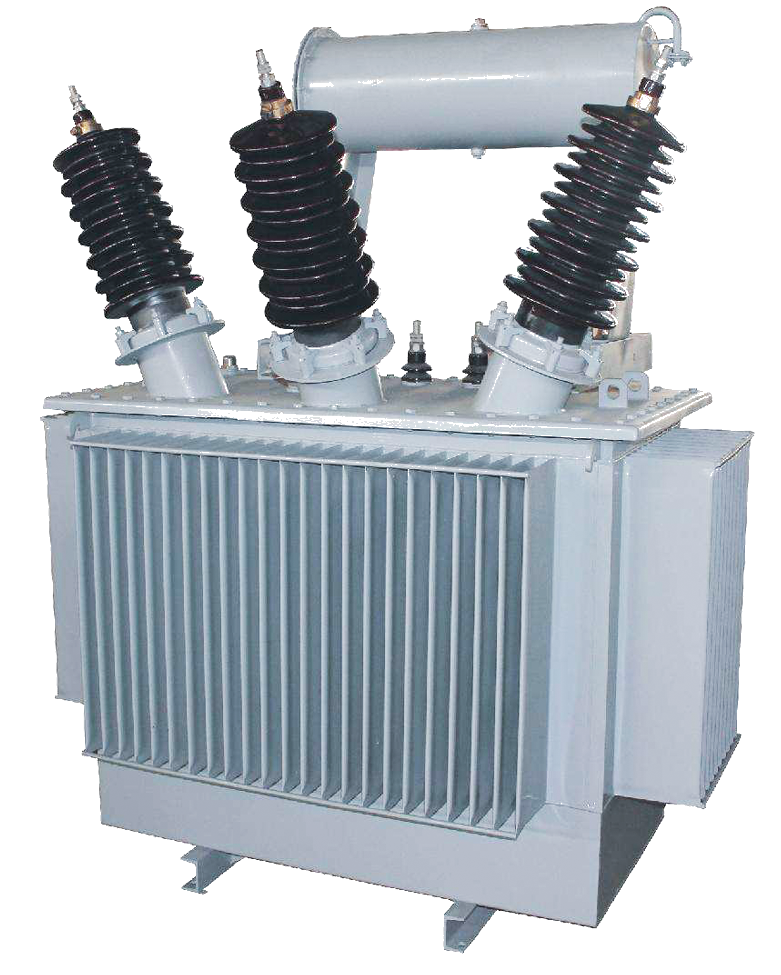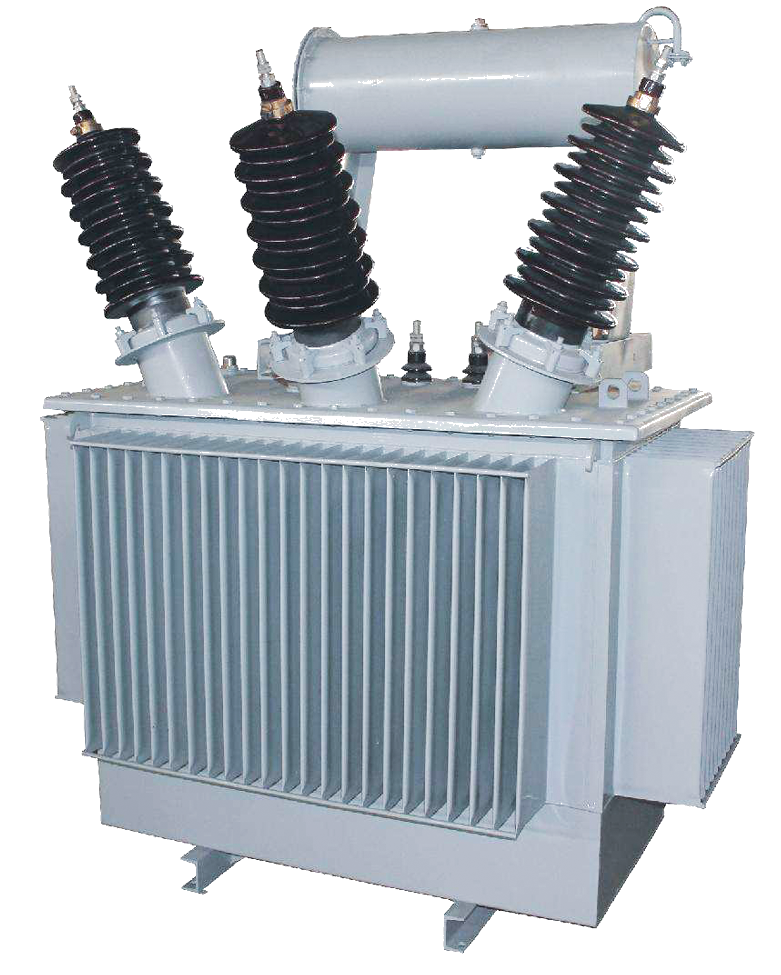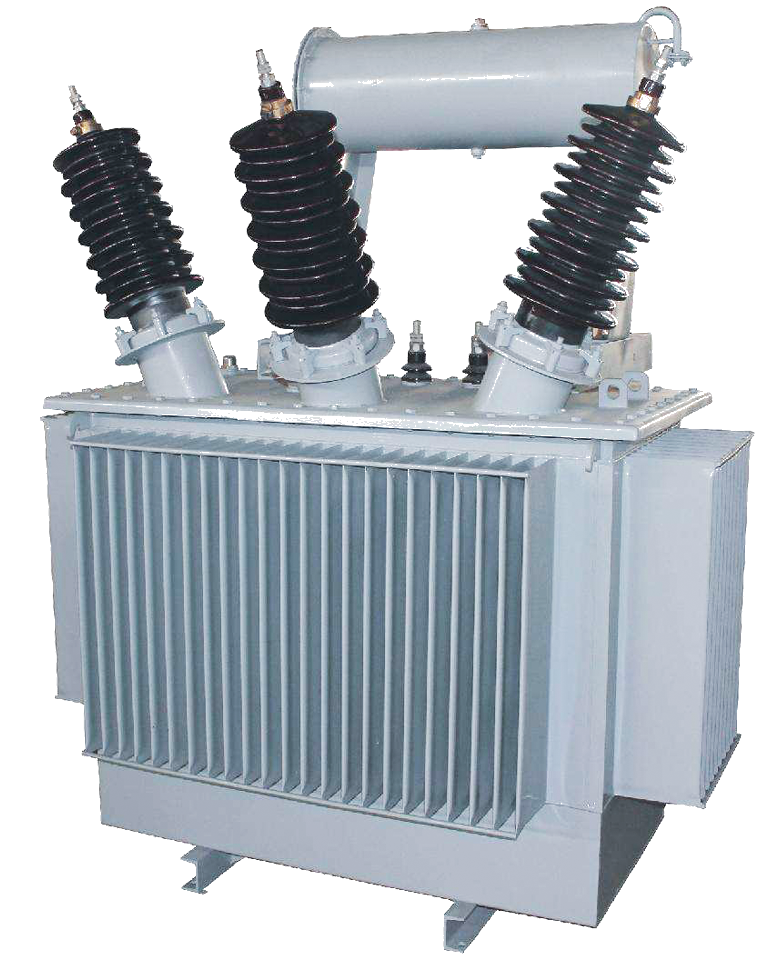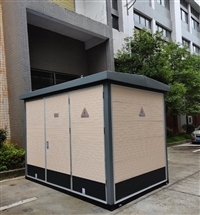

Design and Construction Services for Chenzhou 10kV and Below Power Distribution Projects
Category:
Electrical Engineering/Distribution and transmission equipment/distribution transformer
Model:
two hundred and fifty
Brand:
Hunan Junyuan
voltage level:
10kV/0.4kV
Service Type:
Design/Construction/Debugging
Execution Standard:
GB 50052/GB 50054
Grounding resistance:
≤4Ω
Cable type:
YJV cross-linked polyethylene insulated cable
Protection rating:
IP30/IP40
Ambient temperature:
-20℃~+40℃
altitude:
≤1000m
relative humidity:
≤90%
Retail Price
10,000,000.00USD
重量
kg
- Product Description
-
voltage level 10kV/0.4kV
Service Type Design/Construction/Debugging
Execution Standard GB 50052/GB 50054
Grounding resistance ≤4Ω
Cable type YJV cross-linked polyethylene insulated cable
Protection rating IP30/IP40
Ambient temperature -20℃~+40℃
altitude ≤1000m
relative humidity ≤90%
Description :
The Chenzhou Power Distribution Project refers to the systematic construction service of reducing the voltage of high-voltage electricity through facilities such as substations and distribution rooms and distributing it to end-users throughout the entire process. This service mainly solves the problems of power transmission, distribution, and control between industrial enterprises, commercial complexes, and residential areas from grid access points to electrical equipment, ensuring the safety, reliability, and economy of power supply. Typical operating conditions include power access for new construction projects, power capacity expansion and renovation of old residential areas, and upgrading of power distribution systems for factory production lines. Power distribution engineering covers load calculation, path planning, equipment selection, line laying, commissioning and power transmission, and is a key infrastructure link connecting the public power grid and terminal electricity consumption, directly related to the stability and safety of subsequent electricity consumption.
The specifications and implementation standards of power distribution engineering strictly follow national and industry standards, mainly including the "Code for Design of Power Supply and Distribution Systems" (GB 50052), "Code for Design of Low Voltage Distribution" (GB 50054), and "Design Standard for Cables of Power Engineering" (GB 50217). The construction content involves the installation of high and low voltage switchgear, the positioning of transformers, the laying of cable trays, the connection of bus ducts, and the production of grounding systems. Common materials include copper core cross-linked polyethylene insulated cables, cold-rolled steel plate distribution boxes, epoxy resin insulation components, etc. The process requirements include that the production of cable heads must comply with heat shrink or cold shrink process standards, and the grounding resistance is usually required to be no more than 4 ohms (combined grounding is no more than 1 ohm). All concealed works must be inspected and accepted by the supervisor, and high-voltage equipment must pass withstand voltage tests and relay protection setting tests before being put into operation to ensure that all electrical parameters meet the design requirements.
When selecting power distribution engineering services, it is necessary to clarify the voltage level (such as 10kV/0.4kV), load nature (Class I/II/III loads), and capacity requirements. Applicable scenarios include newly built factories in industrial parks, commercial power distribution in office buildings, and power supply for municipal public facilities; Not applicable to power generation side grid connection projects or ultra-high voltage transmission projects. Unlike simple equipment installation, power distribution engineering emphasizes the integrated delivery of "design+construction", requiring corresponding levels of installation (repair, testing) power facility licenses and construction qualifications. When purchasing, it is necessary to pay attention to whether the service provider has experience in reporting and connecting to the local power supply department, and whether the design scheme optimizes line loss and reactive power compensation to avoid high operating electricity costs or unstable voltage in the later stage.
The implementation of power distribution engineering must strictly follow safety operating procedures, and work permits must be obtained and on-site technical disclosure must be conducted before construction. The installation points include that the bending radius of the cable should not be less than 10-15 times the outer diameter, and the foundation steel of the distribution cabinet should be reliably grounded with a horizontal error controlled within 1mm per meter. In a typical usage cycle, it is recommended to conduct infrared temperature measurement every six months to check for joint overheating, and conduct preventive tests once a year, including insulation resistance testing, circuit breaker action characteristic testing, etc. Common fault diagnosis includes distinguishing the causes of overload, short circuit, or leakage when tripping, and regularly cleaning the dust in the distribution room to prevent flashover. During the maintenance process, a complete set of as built drawings and equipment files should be established to facilitate rapid fault location and maintenance, ensuring the long-term stable operation of the power system.
AfterSalesService :
Key words:
More Products