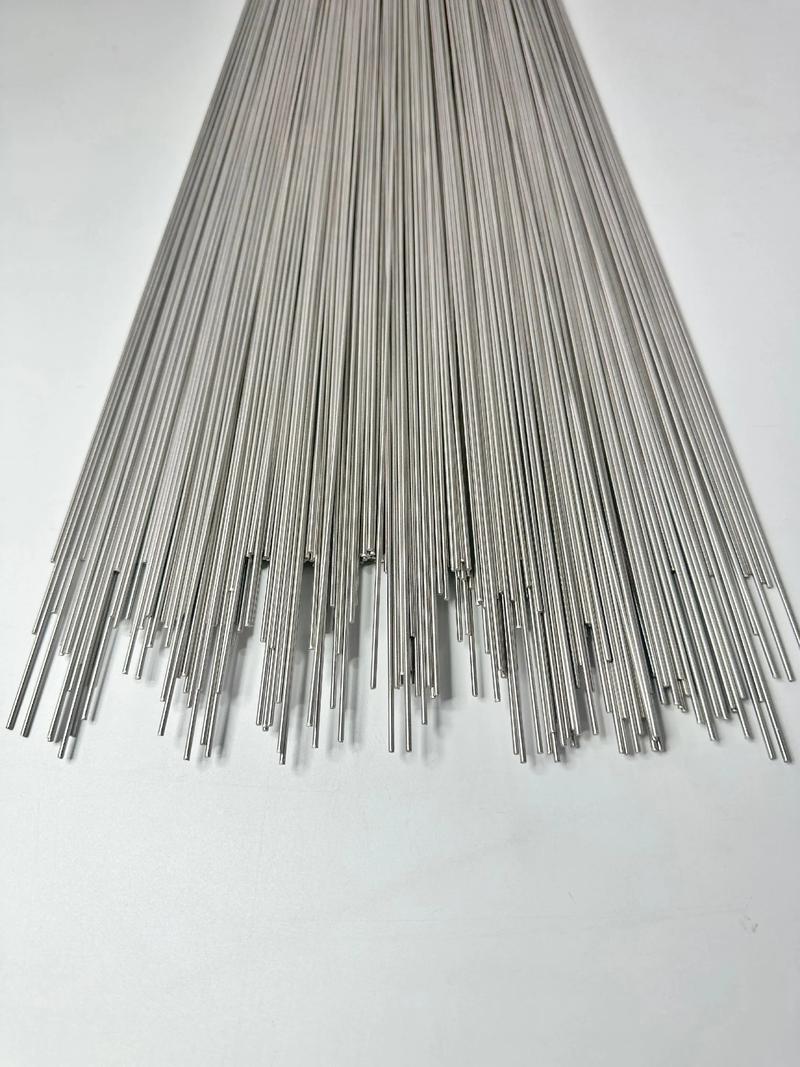

Titanium wire TA1/TA2/TA10/TA15/TC4/TC11 corrosion-resistant medical titanium wire titanium alloy wire
Category:
metallurgy/Non ferrous metal alloys/titanium alloy
Model:
Above 0.01 in diameter
Brand:
Ming Yufeng
Material Grade:
TA1/TA2/TA10/TA15/TC4/TC11
Diameter Range:
0.01-6.0mm
tensile strength:
≥300MPa
density:
4.51g/cm³
melting point:
1668℃
surface state:
Bright/Pickled
Execution Standard:
GB/T 3623
Corrosion resistance:
Acid and alkali resistant/seawater
Retail Price
10,000,000.00USD
重量
kg
- Product Description
-
Material Grade TA1/TA2/TA10/TA15/TC4/TC11
Diameter Range 0.01-6.0mm
tensile strength ≥300MPa
density 4.51g/cm³
melting point 1668℃
surface state Bright/Pickled
Execution Standard GB/T 3623
Corrosion resistance Acid and alkali resistant/seawater
Description :
Titanium wire is a type of metal wire made by drawing and processing titanium and titanium alloys as substrates. It mainly solves the problems of connection, weaving or skeleton support under conditions of strong corrosion, high temperature or high specific strength requirements. Typical applications include chemical anti-corrosion equipment, medical device implants, aerospace fasteners, and high-end sports equipment manufacturing. This category has excellent acid and alkali corrosion resistance, low density and high strength, and can maintain long-term stability in harsh environments. It is an ideal choice to replace stainless steel wire in specific extreme environments.
The common specifications range from 0.05mm to 6.0mm in diameter, and thicker or thinner specifications can be customized according to needs. The materials usually include industrial pure titanium (such as TA1, TA2) and titanium alloys (such as TC4). The execution standards are mostly based on GB/T 3623 "Titanium and Titanium Alloy Wire" or ASTM B863. The surface condition is usually a shiny or acid washed surface, without defects such as cracks or peeling. The tensile strength varies depending on the grade and processing state, usually ranging from 300MPa to 900MPa. Low resistivity, moderate conductivity, melting point up to 1668 ℃, and good thermal stability.
When selecting, it is necessary to clarify the type of corrosive medium and working temperature of the operating environment. If extremely high strength and weight sensitivity are required, TC4 alloy wire can be selected; If the focus is on corrosion resistance and formability, TA1/TA2 pure titanium wire is more suitable. Compared with stainless steel wire, titanium wire has a density of only 60% of steel, but it has higher specific strength and much higher resistance to seawater and chloride ion corrosion than 316L stainless steel. Not suitable for environments with strong reducing acids such as concentrated sulfuric acid and hydrofluoric acid. When purchasing, attention should be paid to surface smoothness and straightness. Precision weaving scenarios have stricter requirements for diameter tolerances, generally controlled within ± 0.02mm.
During installation or use, avoid direct contact with metals such as iron and copper to prevent galvanic corrosion, and use insulating gaskets if necessary. Titanium wire needs to be cut or welded under inert gas protection to prevent high-temperature oxidation and brittleness. Daily maintenance mainly involves checking the surface for scratches or contamination, and regularly cleaning with neutral cleaning agents. Common faults include fatigue fracture caused by repeated bending, and it is recommended to reserve sufficient safety factors in the design. When storing, it should be placed in a dry and ventilated place to avoid long-term erosion of the surface oxide film by humid air.
AfterSalesService :
Key words:
More Products