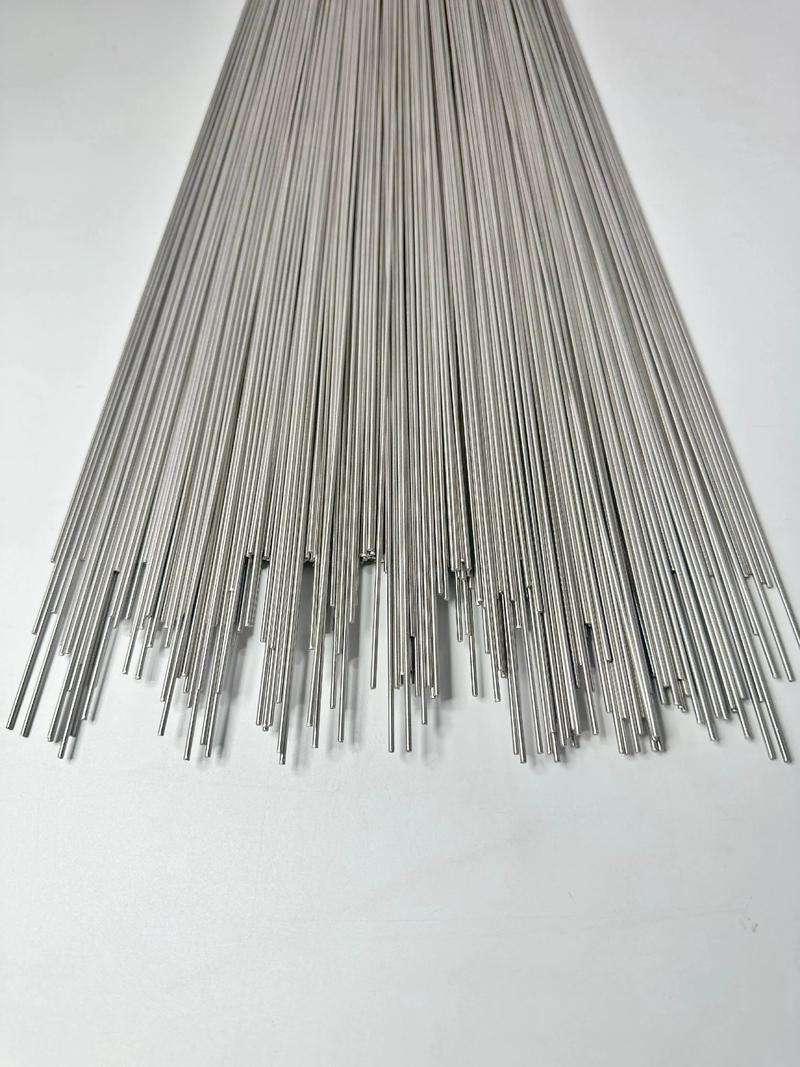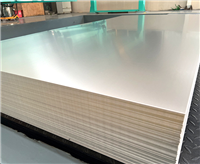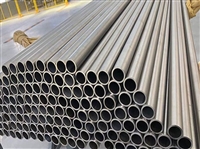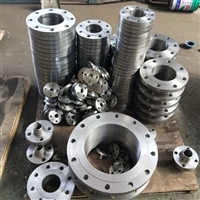


Titanium flange TA2/TA10/Gr7/TC4 corrosion-resistant high-pressure connector
Category:
metallurgy/Metal processing materials/Titanium and titanium alloy materials
Model:
Titanium flange
Brand:
Ming Yufeng
Material Grade:
TA2、TA10、Gr7、TC4
Execution Standard:
GB/T HG/T ASME B16.5
Nominal Diameter:
DN10-DN2000
Nominal pressure:
PN1.0-PN16MPa
Operating temperature:
-196 ℃ to 400 ℃
Type of sealing surface:
RF/FF/RJ
connection method:
Welding/threading/loose fitting
Surface Treatment:
Sandblasting/pickling/polishing
density:
4.51g/cm³
Application Fields:
Chemical/seawater desalination/aviation
Retail Price
10,000,000.00USD
重量
kg
- Product Description
-
Material Grade TA2、TA10、Gr7、TC4
Execution Standard GB/T HG/T ASME B16.5
Nominal Diameter DN10-DN2000
Nominal pressure PN1.0-PN16MPa
Operating temperature -196 ℃ to 400 ℃
Type of sealing surface RF/FF/RJ
connection method Welding/threading/loose fitting
Surface Treatment Sandblasting/pickling/polishing
density 4.51g/cm³
Application Fields Chemical/seawater desalination/aviation
Description :
Titanium flange is a pipeline connection component made of pure titanium or titanium alloy materials, mainly used to solve the sealing and connection problems of pipelines under strong corrosive media and high temperature and high pressure conditions. In the fields of chemical engineering, seawater desalination, aerospace, and medical equipment, ordinary carbon steel or stainless steel flanges are prone to pitting corrosion or stress corrosion cracking, while titanium flanges have become the preferred choice for critical pipeline systems due to their excellent corrosion resistance and high strength to weight ratio. This category usually covers various structural forms such as plate welding, neck welding, socket welding, etc., which can adapt to the working temperature range from room temperature to above 400 ℃, ensuring the long-term stable operation of the pipeline system.
The manufacturing of titanium flanges strictly follows domestic and foreign standards such as GB/T, HG/T, ASME B16.5, and commonly used materials include industrial pure titanium such as TA1, TA2, GR2, and titanium alloys such as TC4. Its typical density is about 4.51g/cm ³, which is only 60% of steel, but its strength is comparable or even higher. Surface treatment usually involves sandblasting, acid washing, or polishing to remove oxide scale and improve surface smoothness. In terms of standard implementation, the nominal pressure range is commonly PN0.6 to PN42.0MPa, with sizes ranging from DN10 to DN2000. The product needs to undergo ultrasonic testing, penetration testing, and mechanical performance testing to ensure that there are no defects such as cracks or slag inclusions, and meet strict industrial acceptance requirements.
When selecting, it is necessary to clarify the composition of the medium, working temperature, and pressure rating. Titanium flanges exhibit excellent resistance to highly oxidizing media such as chloride ions, wet chlorine gas, and hypochlorite, making them an economical alternative to Hastelloy or fluorine lined pipelines. However, in environments with fuming sulfuric acid, hydrofluoric acid, or dry chlorine gas, titanium materials may undergo violent reactions and are not suitable at this time. Compared with stainless steel flanges, titanium flanges have higher costs, but lower maintenance costs throughout their entire lifecycle; Compared with plastic flanges, titanium flanges have better temperature and pressure resistance. When purchasing, it is necessary to confirm the form of the flange sealing surface (such as RF protruding surface, FF full plane, RJ ring connection surface) to ensure compatibility with the matching flange.
When installing titanium flanges, direct contact with carbon steel brackets should be avoided to prevent electrochemical corrosion caused by iron ion contamination. It is recommended to use non-metallic gaskets or insulation kits. The bolts should be tightened using diagonal cross tightening method to control the torque evenly and prevent deformation and leakage of the flange surface. In daily maintenance, it is necessary to regularly check the sealing surface for scratches or corrosion spots, and monitor the vibration of the pipeline. Common faults are often seal failures, usually caused by aging gaskets, loose bolts, or poor flange alignment. Neutral cleaning agents can be used during cleaning, and the use of cleaning agents containing halogen ions is strictly prohibited. Proper installation and maintenance can significantly extend the service life of titanium flanges and ensure production safety.
AfterSalesService :
Key words:
More Products