
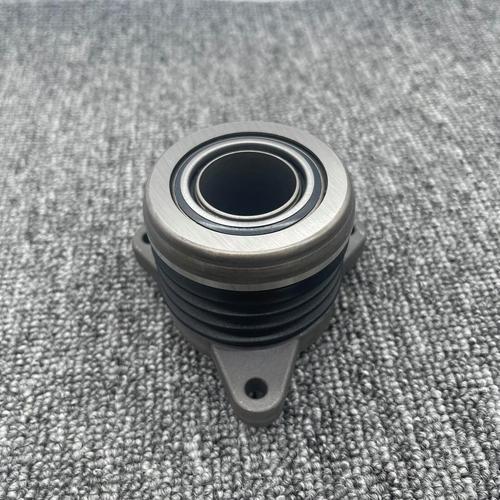
Automotive clutch release bearing with high precision and low noise, suitable for multi vehicle transmission maintenance parts
Category:
auto parts/drive system /clutch
Model:
688808 588909
Brand:
Chengchuang
material:
bearing steel
lubrication method:
Pre filled high-temperature lithium grease
Sealing type:
Double sided dust-proof seal
Applicable gearbox:
Manual transmission (MT)
Working temperature range:
-40℃~150℃
Installation location:
Front end of gearbox input shaft
functional type:
Axial thrust bearing
Quality standard:
ISO/TS16949
Retail Price
10,000,000.00USD
重量
kg
- Product Description
-
material bearing steel
lubrication method Pre filled high-temperature lithium grease
Sealing type Double sided dust-proof seal
Applicable gearbox Manual transmission (MT)
Working temperature range -40℃~150℃
Installation location Front end of gearbox input shaft
functional type Axial thrust bearing
Quality standard ISO/TS16949
Description :
The clutch release bearing is a key vulnerable component in the automotive transmission system, mainly installed at the front end of the input shaft of the gearbox, used to connect the clutch fork and the pressure plate diaphragm spring. Its core function is to push the pressure plate to separate when the driver steps on the clutch pedal, cutting off the power connection between the engine and the gearbox, thereby achieving smooth shifting or parking without turning off the engine. This component is subjected to high-speed rotation and intermittent high load contact conditions for a long time, which requires extremely high wear resistance, high temperature resistance, and rotational accuracy. The clutch release bearings of Chengchuang brand are designed to solve the problems of abnormal noise, jamming, and early wear that traditional bearings are prone to. They are suitable for the maintenance and replacement of clutch systems in various manual transmission passenger vehicles, light commercial vehicles, and some construction machinery, ensuring the timeliness and reliability of power transmission cut-off.
In terms of specifications and manufacturing processes, clutch release bearings are usually made of high-strength chromium steel or special alloy steel to manufacture ball bearings and inner and outer rings. The surface is precision ground and heat-treated to achieve a hardness of HRC60-65, ensuring sufficient load-bearing capacity and fatigue life. Internally filled with high-temperature resistant and long-life lithium based grease, and equipped with a dust-proof sealing cover to prevent dust, moisture, and dust generated by clutch plate wear from entering the bearing and avoiding lubrication failure. Chengchuang clutch release bearings are strictly produced in accordance with ISO/TS16949 automotive industry quality management system standards, and some models comply with OEM original size specifications. Typical parameters include an inner diameter of 20-40mm, an outer diameter of 40-60mm, a width of 15-25mm (depending on the vehicle model), the ability to withstand axial loads of over 1000N, and a working temperature range covering -40 ℃ to 150 ℃, ensuring stable rotational performance and low friction coefficient even in extreme environments.
When selecting, special attention should be paid to the inner diameter, outer diameter, thickness, and installation buckle form of the bearing, which must be completely matched with the original clutch pressure plate diaphragm spring finger end and guide sleeve. The clutch release bearing specifications of different brands and displacement models vary greatly and cannot be used interchangeably. Chengchuang clutch release bearings are available in various common vehicle specifications, and the VIN code or old part model should be checked when purchasing. If the original vehicle is a hydraulic clutch control mechanism, it is necessary to confirm whether the bearings are integrated with hydraulic cylinders (i.e. clutch cylinder integrated); If it is a wire type or mechanical rod type, ordinary push type separation bearings should be selected. In addition, it is important to distinguish between normally open and normally closed structures. The vast majority of passenger cars use normally open structures, which do not come into contact with the pressure plate and only work when the pedal is pressed. Incorrect selection can lead to premature bearing burnout or clutch slippage.
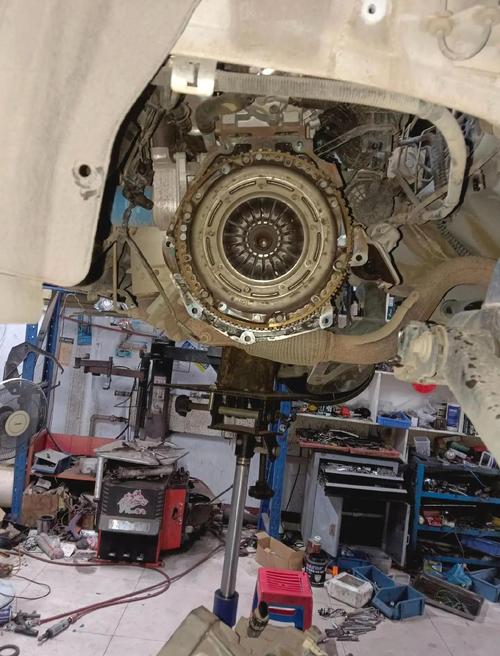
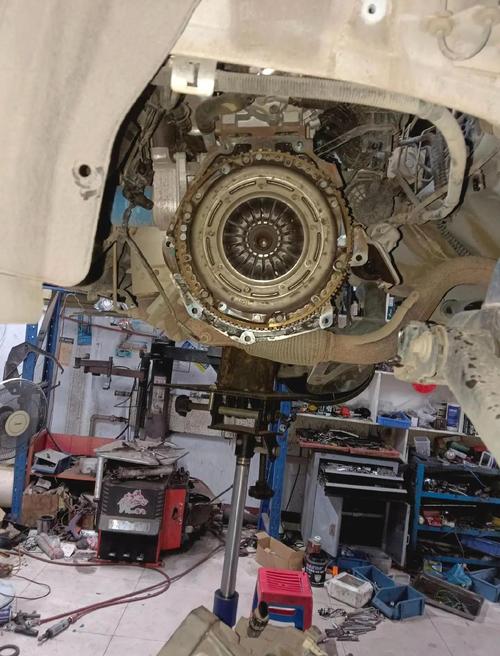
Before installing the clutch release bearing, it is necessary to check whether the transmission input shaft guide sleeve is worn, corroded, or bent. If there is any abnormality, it should be replaced or polished smooth, and a small amount of high-temperature grease should be applied. However, excessive amount is strictly prohibited to avoid grease splashing and contaminating the clutch friction plate, causing slippage. During installation, special tools or appropriately sized sleeves should be used to evenly apply pressure to push the bearings into place, avoiding deformation of the cage caused by knocking. In daily driving, it is advisable to avoid prolonged semi linked states (such as slow starting on a slope or keeping your foot on the pedal during traffic jams), as this can accelerate bearing wear. If there is a "rustling" sound or metal friction sound when stepping on the clutch, and the sound disappears after releasing the pedal, it is usually a signal that the clutch release bearing is damaged. It should be repaired in a timely manner to prevent debris from falling into the gearbox and causing greater losses. Although it is not possible to directly lubricate the bearing during regular maintenance, its working condition can be indirectly determined by checking the free travel of the clutch pedal.
AfterSalesService :
Key words: