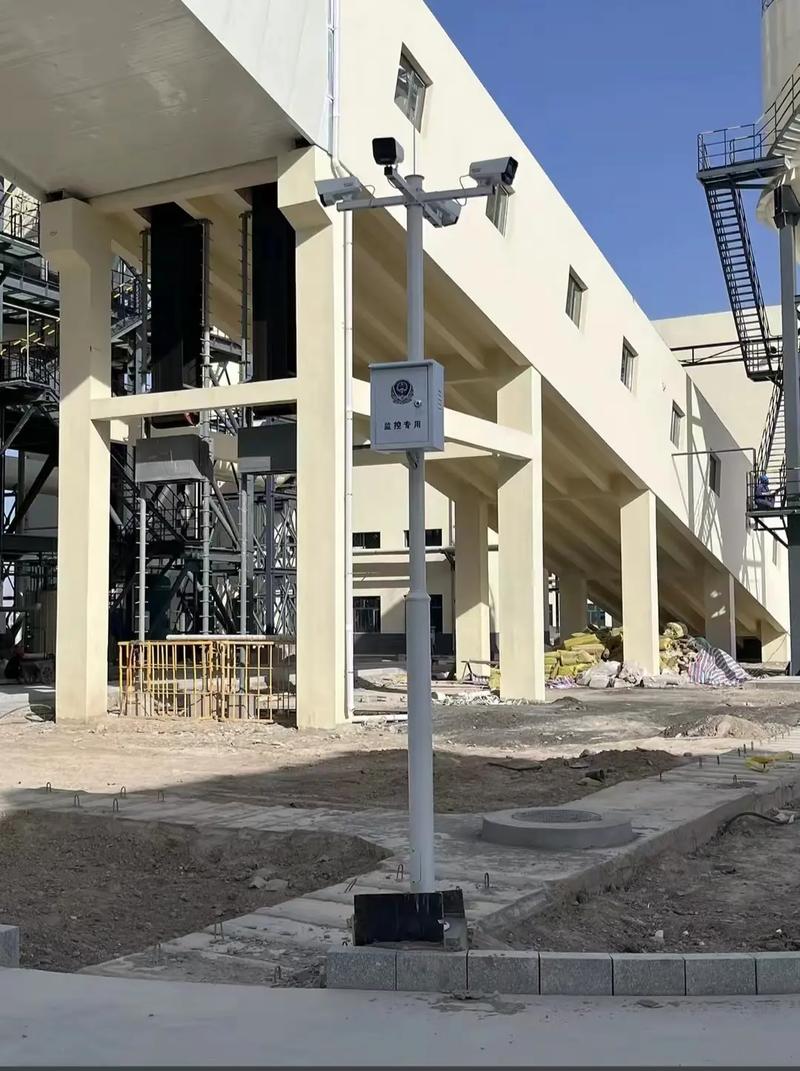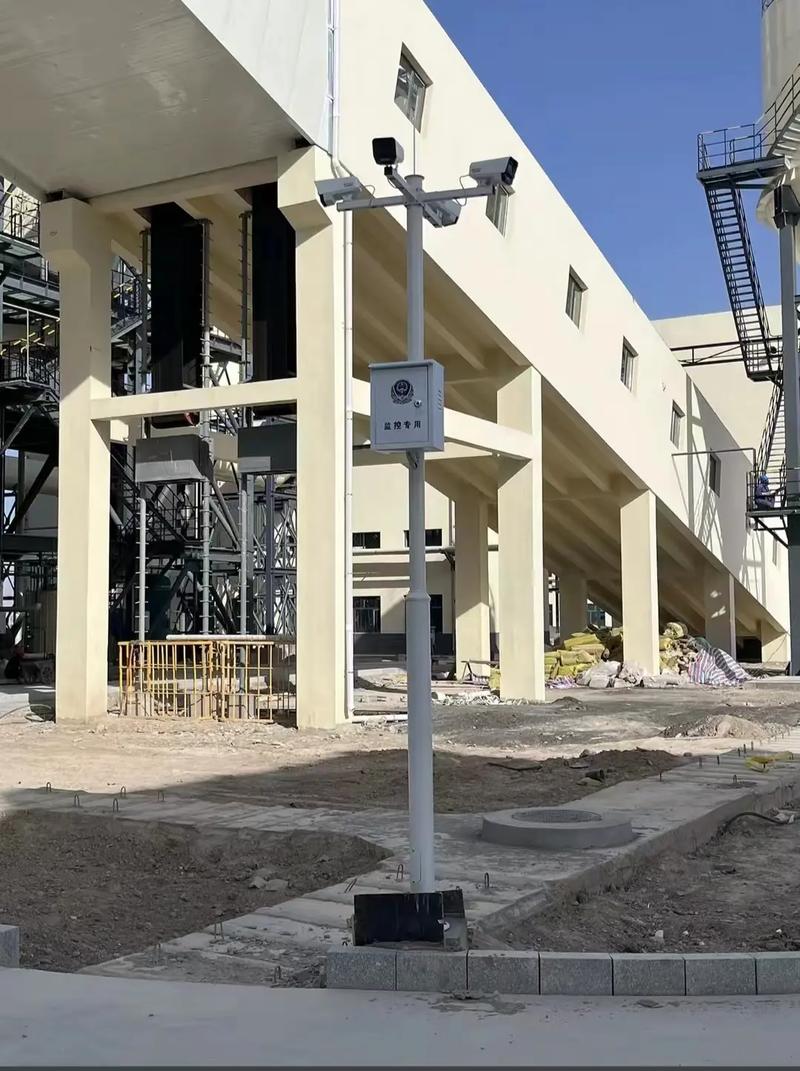

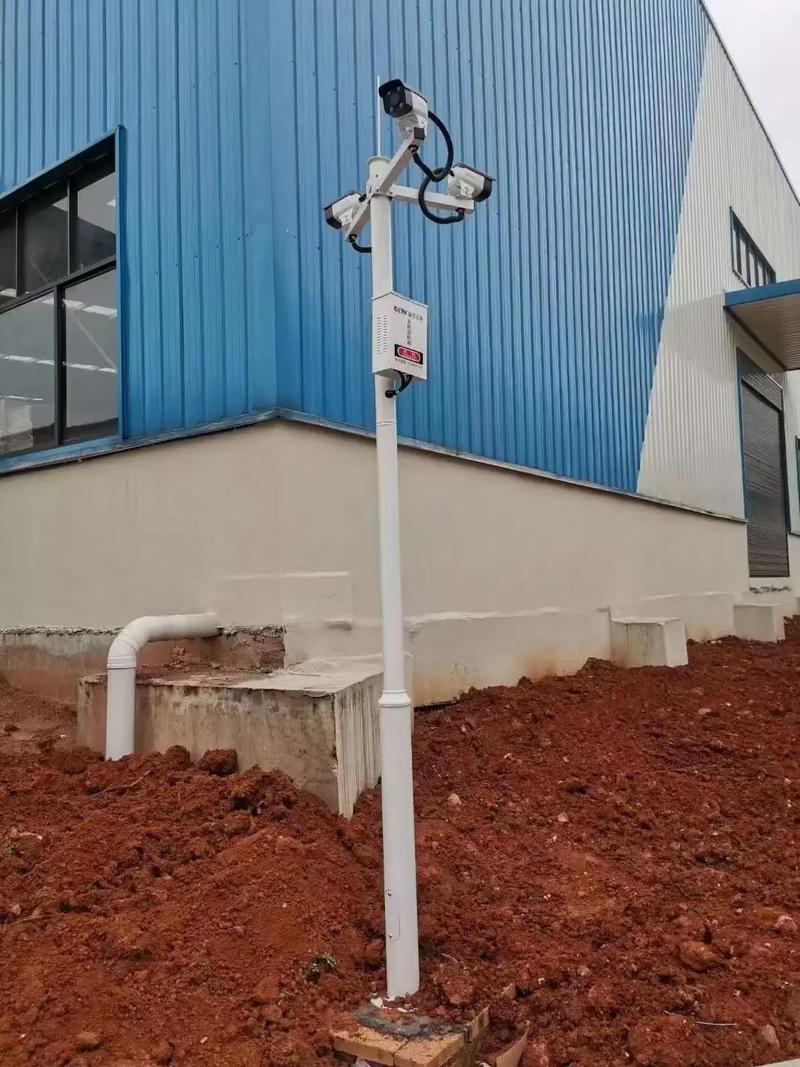
Outdoor monitoring pole hot-dip galvanized spray anti-corrosion 3-6 meters can be customized for road and community security purposes
Category:
building materials/Protection and municipal facilities/Monitoring rod
Model:
3.5 meters
Brand:
Beiming Security
Material:
Q235 steel
Surface Treatment:
Hot dip galvanizing+electrostatic spraying
Common height:
3m-6m
Wall thickness range:
3mm-5mm
wind resistance rating:
≥ Level 12
Anti corrosion period:
≥ 20 years
Grounding resistance:
≤4Ω
Applicable ambient temperature:
-40℃~+70℃
Retail Price
10,000,000.00USD
重量
kg
- Product Description
-
Material Q235 steel
Surface Treatment Hot dip galvanizing+electrostatic spraying
Common height 3m-6m
Wall thickness range 3mm-5mm
wind resistance rating ≥ Level 12
Anti corrosion period ≥ 20 years
Grounding resistance ≤4Ω
Applicable ambient temperature -40℃~+70℃
Description :
Monitoring poles are the infrastructure used in security systems to support cameras, fill lights, and network equipment, mainly addressing the issues of equipment installation height and stability in complex outdoor environments. It is widely used in typical working conditions such as urban roads, residential areas, industrial parks, and public squares, ensuring unobstructed monitoring views. As a physical carrier connecting front-end collection devices and back-end management platforms, monitoring poles need to have sufficient mechanical strength to resist wind loads, while providing reasonable wiring space to ensure the safety and stability of signal transmission and power supply. They are an indispensable component of modern smart security systems.
Monitoring poles are usually made of high-quality Q235 steel and undergo multiple processes such as bending, welding, hot-dip galvanizing, and electrostatic spraying. The standard height range is 3 meters to 6 meters, and the wall thickness is generally between 3mm and 5mm. The specific specifications can be adjusted according to the load-bearing requirements. The thickness of the surface hot-dip galvanized layer is not less than 85 μ m, and the thickness of the spray coating is between 70-100 μ m, which complies with national standards such as GB/T 13912 and GB/T 18226, and has excellent anti rust and anti-corrosion properties. The size of the flange and the specifications of the anchor bolts must be strictly matched with the foundation design to ensure that the seismic resistance and wind resistance of the overall structure meet the local meteorological conditions and extend the outdoor service life.
When selecting monitoring poles, it is necessary to clarify the installation scenario and equipment load. High strength variable diameter poles over 6 meters should be selected for main roads to cover a wider surface; 3-4 meter straight poles can be used within the community or parking lot to balance aesthetics and cost. If installing a heavy-duty ball camera or multiple cameras, it is necessary to increase the wall thickness or adopt a reinforced structure. Compared with ordinary street lamp poles, the top of the monitoring pole has more reserved interfaces, making it easier to install brackets and maintenance ports. Not applicable scenarios include ordinary poles in highly corrosive chemical areas that have not undergone special anti-corrosion treatment, as well as areas with soft geological conditions that have not been reinforced with foundations. Foundation cages need to be customized according to the actual soil conditions.
Before installing the monitoring pole, it is necessary to pre bury the foot cage and pour concrete foundation. The pole can only be erected after the curing period meets the standards. Pay attention to verticality correction during installation, and the error should be controlled within 0.3% to avoid tilting caused by long-term uneven stress. It is recommended to check the integrity of the surface coating once a year for daily maintenance, and promptly repair any damages found to prevent the spread of rust. Regularly check the tightening of flange connection bolts to prevent loosening due to vibration. Common faults include poor grounding causing lightning damage to equipment. Therefore, it is necessary to ensure that the grounding resistance of the pole is less than 4 ohms and complete lightning protection testing before the thunderstorm season to ensure the safe operation of the backend equipment.
AfterSalesService :
Key words: