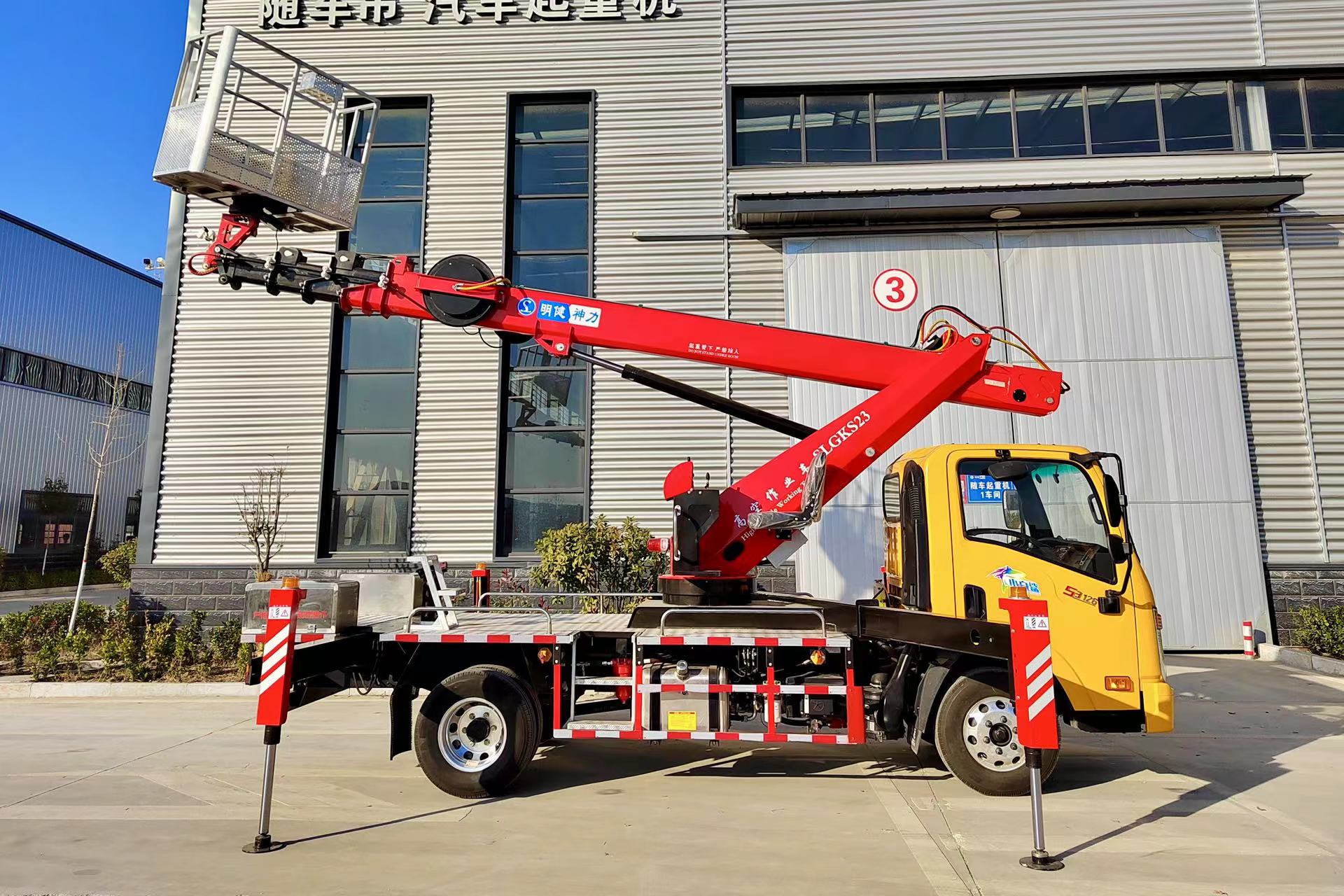

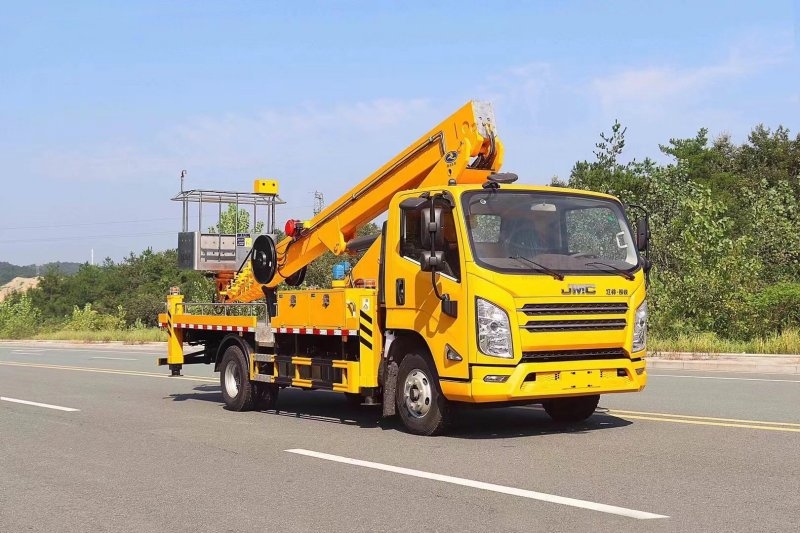
The green and silent lifting platform of the new energy pure electric aerial work vehicle is suitable for indoor municipal and garden maintenance
Category:
Special Purpose Vehicles/High altitude vehicles/High and low altitude operation vehicle
Model:
Aerial work platform
Brand:
Aerial work platform
Power Type:
pure electric
rated load capacity:
200kg
Maximum working height:
10-50m
Battery Type:
Lithium iron phosphate battery
Charging time:
6-8 hours
Rotation angle:
360 degrees
Control method:
Up and down dual control
Leg form:
H-type leg
Retail Price
10,000,000.00USD
重量
kg
- Product Description
-
Power Type pure electric
rated load capacity 200kg
Maximum working height 10-50m
Battery Type Lithium iron phosphate battery
Charging time 6-8 hours
Rotation angle 360 degrees
Control method Up and down dual control
Leg form H-type leg
Description :
The new energy pure electric aerial work vehicle is a specialized lifting equipment driven by batteries and with zero emissions. It mainly solves the noise and exhaust pollution problems of traditional fuel vehicles when operating indoors, in tunnels, or in areas with strict environmental requirements. Typical working conditions for this category include maintenance of urban streetlights, pruning of landscaping, maintenance of electrical facilities, and installation inside large venues. Compared to diesel or gasoline powered models, pure electric aerial work vehicles have advantages such as fast start-up response, smooth operation, and no idle fuel consumption. They are particularly suitable for night construction or residential area operations that require high working environment quietness, effectively reducing the risk of disturbance complaints and complying with the current policy orientation of green construction.
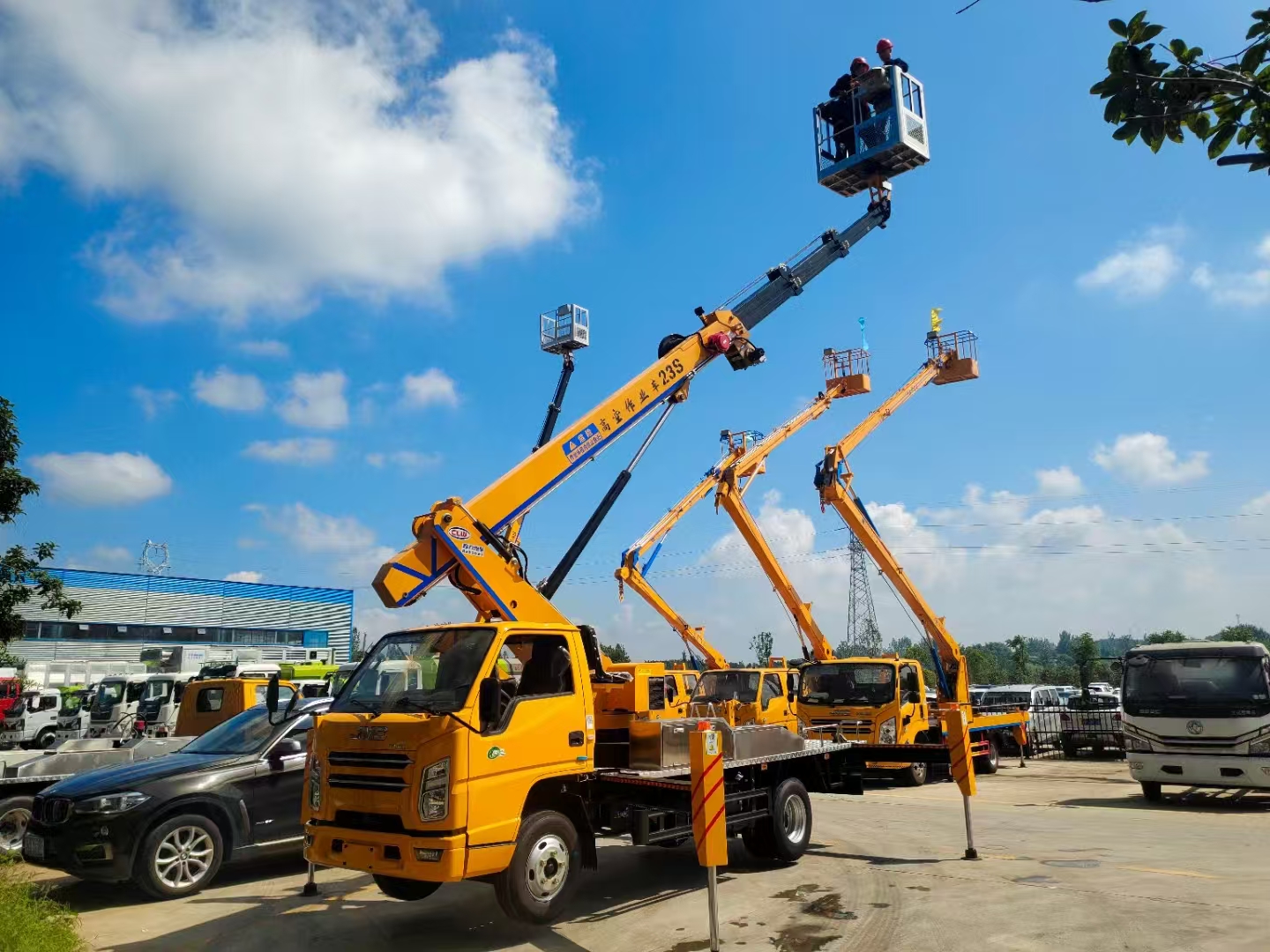
In terms of specifications and processes, new energy pure electric aerial work vehicles are usually equipped with high-capacity lithium iron phosphate or ternary lithium battery packs, supporting both fast and slow charging modes to ensure continuous operation capability. The chassis structure is mostly welded with high-strength steel and treated with anti-corrosion and rust prevention to adapt to complex outdoor climates. The hydraulic system uses imported or domestic first-line brand seals to ensure no leakage and precise movement during the lifting process. The implementation standards must comply with GB/T 9465 "Aerial Work Vehicles" and relevant safety regulations for new energy vehicles. The common working height covers the range of 6 meters to 14 meters, and some customized models can reach higher heights. The rotation angle is usually 360 degrees continuous rotation, and the width of the leg deployment is designed according to the chassis wheelbase to ensure stability and wind resistance during operation.
When selecting, it is important to distinguish between the type of power source and the required operating height. If the work scenario is mainly in enclosed workshops, underground pipe galleries, or city centers that are sensitive to environmental indicators, pure electric aerial work vehicles are the preferred choice; If long-term continuous high-intensity field operations are required and charging is inconvenient, it is necessary to evaluate whether the battery life meets the shift requirements or consider hybrid/fuel vehicles. In addition, attention should be paid to the differences in arm structure. The straight arm type is suitable for crossing obstacles to reach high points, while the curved arm type is more flexible and suitable for narrow spaces. The purchaser should verify the battery brand, motor power, and controller type to avoid using miscellaneous electronic controls that may result in high failure rates. At the same time, confirm whether the vehicle has the qualifications to drive on the road, distinguish between vehicle mounted and self-propelled vehicles. The former requires a driver's license, while the latter is usually used in the factory or specific areas.
In terms of installation and maintenance, it is important to pay close attention to the battery management system (BMS) status of the new energy pure electric aerial work vehicle in daily life to avoid excessive discharge or long-term full charge storage. It is recommended to conduct a complete charge discharge cycle regularly to calibrate the battery level display. The hydraulic oil level and filter element need to be replaced according to the manufacturer's specified cycle, usually checked every 500-1000 working hours. In low temperature environments during winter, battery activity decreases. Before operation, it is necessary to preheat the battery pack and shorten the continuous operation time appropriately. Common faults include weak lifting, abnormal noise or electronic control alarm. At this time, the first thing to check is whether the emergency stop switch is reset, whether the fuse is blown, and whether the sensor connection is loose. Regularly lubricating the slewing bearings and pin shafts can significantly extend the service life of mechanical structures and maintain good working conditions of equipment.
AfterSalesService :
Key words:
More Products