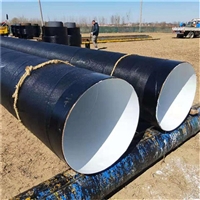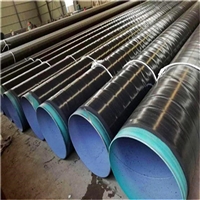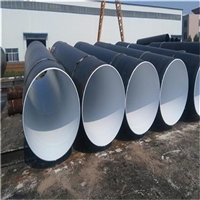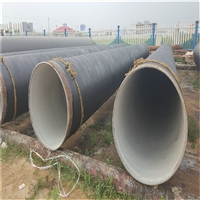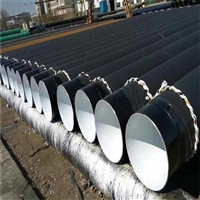
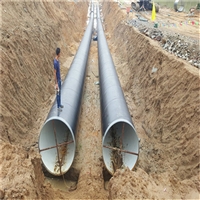


8710 anti-corrosion steel pipe manufacturer price quotation
Category:
metallurgy/tubing/Spiral tube
Model:
Brand:
Guanghui
Retail Price
4,650.00USD
重量
kg
- Product Description
-
Description :
The anti-corrosion steel pipe interpenetrating network heavy-duty anti-corrosion coating is a two-component coating, with Group A base material: resin, initiator; Group B base materials: active monomers, catalysts. When group A and group B are mixed in equal quantities, the three networks interpenetrate at the molecular level to form an interpenetrating polymer network (IPN) structure, producing a synergistic effect. The coating forming network has strong adhesion, good flexibility, and resistance to corrosive media such as acid, alkali, and salt. Further improving the toughness, strength, adhesion, impermeability, and chemical inertness of the coating, the coating has better performance. By forming IPN to improve the properties of polymers, it is a new type of polymer blending technology. Good heat resistance: When the working water temperature is 70 ℃, it can be used for a long time, and the short-term use water temperature can reach 95 ℃, with a softening temperature of 140 ℃. It is lightweight, with a density of one ninth of steel pipes and one tenth of copper pipes. Due to its light weight, it can greatly reduce transportation costs and installation construction strength. It has excellent comprehensive performance, strong corrosion resistance and mechanical properties, good chemical stability and water resistance, and has the functions of reducing resistance, anti-corrosion, compression resistance, antibacterial, etc. The protective layer types now include metal protective layer type and non-metal protective layer type. The commonly used metal protective layer types include surface coating protective layer type and surface compression protective layer type. The common type of surface coating protective layer is galvanized pipe, which also includes cold galvanized pipe and hot-dip galvanized pipe. Hot dip galvanized pipe is still widely used due to its dense and uniform protective layer, strong adhesion, and good stability. However, due to the insufficient density and uniformity of the protective layer, as well as poor stability, cold-dip galvanized pipes generally rust and produce "red" and "black" water within a service life of less than 5 years, with a strong iron smell and various harmful bacteria exceeding the national drinking water quality standards. Therefore, their use in domestic water supply pipelines has been prohibited in various regions. The surface compression protection layer types are also divided into physical covering composite steel pipes and chemical blasting covering composite steel pipes according to different production processes. Among them, the physical covering composite steel pipes currently produced include steel composite stainless steel composite steel pipes and copper steel bimetallic composite steel pipes, both of which use physical methods to press heated softened thin-walled stainless steel pipes or cold thin-walled copper pipes onto the inner wall of steel based pipes through certain processes. Scope of use: Used for anti-corrosion of drinking water tanks, inner walls of water pipelines, oil pipelines, natural gas pipelines, gas pipelines, sewage pipelines, etc. IPN8710 anti-corrosion coating is a non-toxic drinking water coating with good anti-corrosion performance. Rust proof, non irritating, non-toxic after curing.

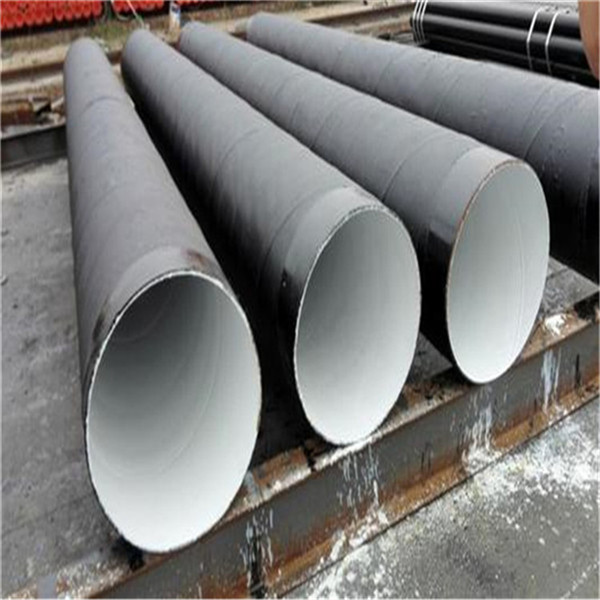
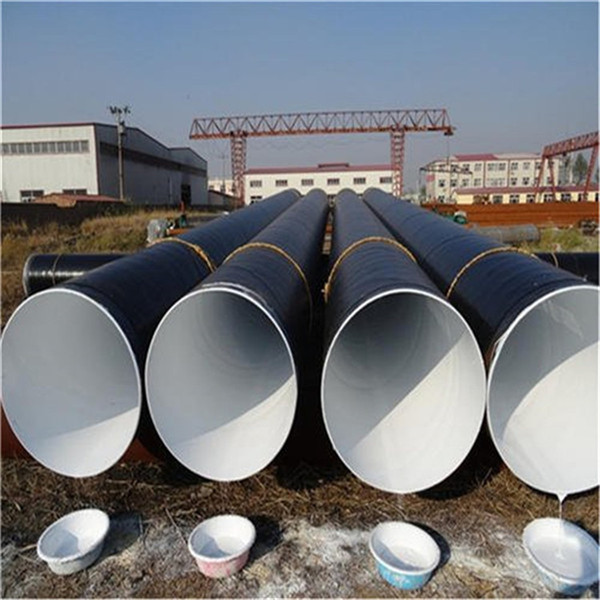
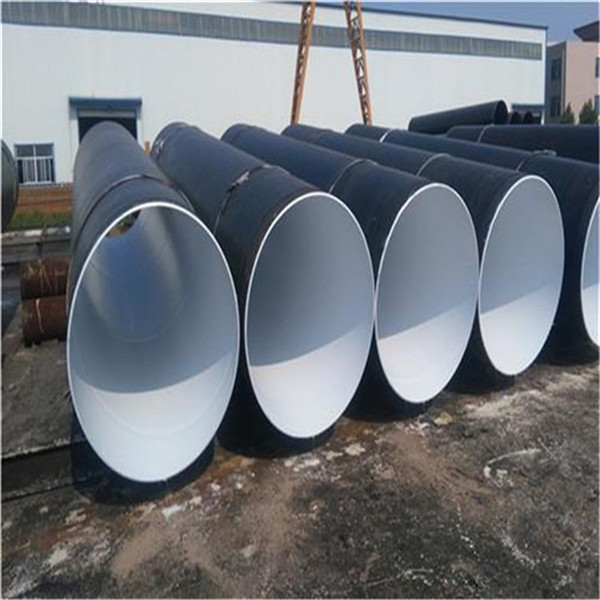
Precautions during construction: 1. Before construction, the coated surface must be strictly treated to ensure that there is no rust, oil stains, or other dirt on the surface. (Sandblasting treatment should be carried out on the steel surface to achieve Sa2.5 level or manual mechanical rust removal should be used to achieve St3. The roughness formed on the steel surface should generally be controlled between 40 and 80 microns.). The welds on the surface of the steel should be free of weld beads, edges, smoothness, and burrs. After rust removal, the surface of the steel should be coated with primer within 12 hours to prevent secondary rusting. 2. For cement surfaces, the primer base material should be used first. After mixing Group A and Group B, the filler should be added and mixed evenly instead of putty. The cement wall surface should be leveled with the slurry, and after 24-36 hours, sandpaper should be used to polish it flat before painting. 3. The construction conditions for this paint * are a temperature range of 5 to 35 ℃, with a relative temperature of ≤ 75 ℃, or the surface temperature of the coated object should be higher than the dew point temperature by more than 3 ℃. It cannot be applied under conditions of rain, fog, snow, and large dust. 4. This paint can be applied by brushing, rolling, spraying and other methods. Due to different construction methods requiring different viscosity requirements for coatings, special diluents should be used to adjust the viscosity of coatings, and dilution with water, alcohol, gasoline, etc. is strictly prohibited. 5. This product belongs to the category of "chemical reactive" coatings and is packaged in two components. Component A consists of resin and initiator, while component B consists of active monomer and catalyst. So before use, the two components must be weighed and proportioned according to the specified important ratios, mixed and stirred evenly, and cured for 30 minutes according to the specified time before application. The cured coating should be used up within 6-8 hours to avoid waste of bonding. 8710 anti-corrosion steel pipe interpenetrating network polymer is a new type of polymer anti-corrosion coating researched and developed in the past ten to twenty years. It has excellent properties of extraordinary polymer materials and is one of the hotspots in the development of polymer materials today, known as the "alloy" of polymers. The IPN series anti-corrosion coating is a type of polyurethane and poly substituted ethylene interpenetrating polymer copolymer. During the mixing and curing process of the coating, the rubber network of the former and the plastic network of the latter penetrate and firmly adhere to the surface of the coated material. Provide anti-corrosion protection and decorative effect on the surface of the material. The comprehensive performance of this series of coatings is as follows: 1. Simple surface treatment; 2. Excellent anti-corrosion performance; 3. The performance price ratio is reasonable.
The main anti-corrosion measures for water supply pipelines are IPN8710. The inner wall of the drinking water pipeline is composed of IPN8710 primer and topcoat. The IPN8710 primer is composed of polyurethane polyethylene, modified epoxy resin, non-toxic anti rust pigments and fillers, additives, etc; The anti-corrosion IPN8710 topcoat for water supply pipelines is composed of modified epoxy and rubber resins, non-toxic anti rust pigments, fillers, and additives. The coating structure composed of two types of paint materials is dense and has good chemical resistance. There are many types of corrosive media in the water supply pipeline, including acids, alkalis, salts, oxidants, and water vapor. The coating must have chemical inertness and be resistant to acid, alkali, and salt corrosion. The coating should have a dense structure, good waterproof permeability, strong adhesion, toughness, and fullness. This product belongs to the category of "chemical reactive" coatings and is packaged in two components. Component A consists of resin and initiator, while component B consists of active monomer and catalyst. So before use, the two components must be weighed and proportioned according to the specified important ratios, mixed and stirred evenly, and cured for 30 minutes according to the specified time before application. The cured coating should be used up within 6-8 hours to avoid waste of bonding. The ratio is as follows: Primer: Component A: Component B=1 barrel: 1 barrel. Please strictly follow the required ratio (or apply according to the ratio notified by the manufacturer at that time) for the topcoat, with component A: component B=1 barrel: 1 barrel. Please strictly follow the required ratio (or construct according to the ratio informed by the manufacturer at that time) after applying one coat of paint, wait for more than 24 hours before applying two coats of paint. After use, the packaging lid of the paint must be tightly sealed to prevent it from deteriorating due to moisture, alcohol, and water. The paint film can only be put into use after being applied at room temperature and dried at room temperature for 7-10 days.
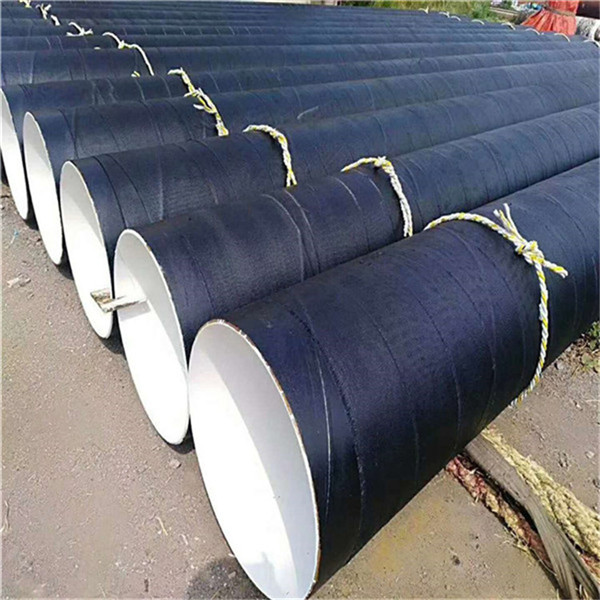
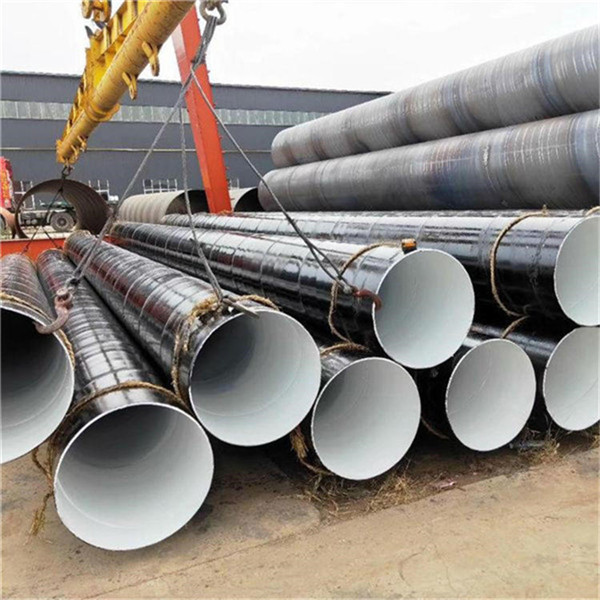

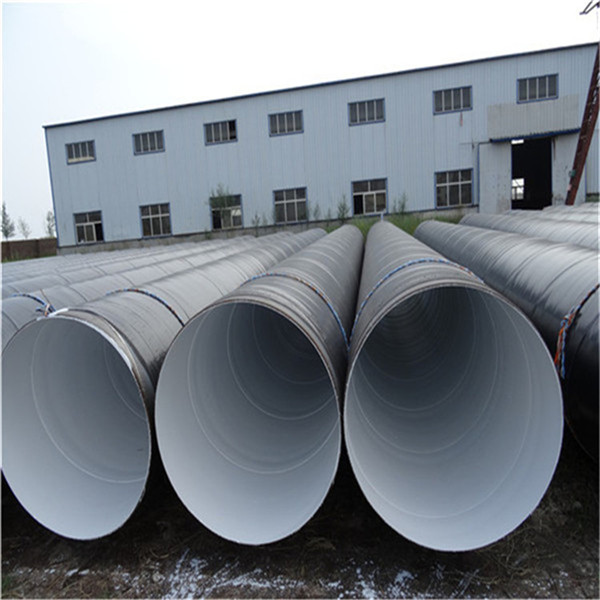
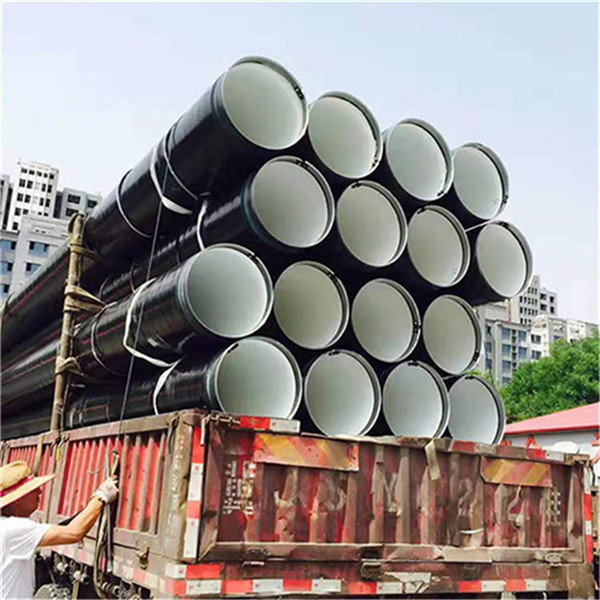
As a transmission carrier for oil and gas, the underground pipeline of anti-corrosion steel pipes for drinking water is one of the important facilities in ground engineering. It is a link between upstream resources and downstream users. Due to the long-term burial of pipelines underground, over time, external soil characteristics and terrain settlement factors can cause corrosion, perforation, and leakage of pipelines, resulting in serious losses to the country. The economic losses caused by construction and corrosion of oil and gas pipelines can be divided into direct losses and indirect losses. Direct losses include: replacement equipment and component costs, repair costs, and anti-corrosion costs, etc; Indirect losses include: production stoppage losses, loss of products caused by corrosion leaks, accumulation of corrosion products or losses caused by corrosion damage. Indirect losses are much greater than direct losses and are difficult to estimate. In addition to the serious economic losses caused by pipeline corrosion, it can also cause the leakage of harmful substances, pollute the environment, and even cause sudden disasters and accidents, endangering personal safety. The adoption and construction quality of external anti-corrosion technology for long-distance pipelines and gathering pipelines transporting natural gas are directly related to the safe operation and service life of the pipelines. Due to the complex terrain and diverse soil properties in the areas where pipelines pass through, buried steel pipelines require different external anti-corrosion measures. The main characteristics of the development of pipeline external anti-corrosion technology are reflected in the high performance, composite, long service life, and good economy of anti-corrosion materials.
Drinking water anti-corrosion steel pipe topcoat: composed of epoxy, rubber resin modification, non-toxic anti rust pigment filler, additives, etc. Excellent chemical resistance, non-toxic, and resistant to microbial erosion. Usage: IPN8710 primer is used for steel pipes in water supply pipelines. IPN8710 topcoat is used as anti-corrosion topcoat for the inner wall of water supply pipelines.? This anti-corrosion is aimed at drinking water pipeline engineering, which is pollution-free and non-toxic. This involves a major issue of the health of the general public. As the anti-corrosion workshop department of our company, we must always bear in mind the importance of reducing waste, passing off inferior products as good, and using fake products to ensure the safety of the people's lives during the manufacturing process. The safety system for high-temperature prefabricated buried insulation pipes and insulation pipes, except for those produced outside of China, is equipped with a leakage line. Once a leakage occurs in a certain part of the pipeline, the accurate location and degree of leakage of the insulation pipe can be displayed on a dedicated detection instrument through the conduction of the line, so as to notify the leak detection personnel to quickly deal with the leaking pipe section and ensure the safe operation of the heating pipe network. The insulation pipes produced domestically are not equipped with leakage lines, and this gap needs to be filled. Adopting advanced double-sided submerged arc welding technology, welding can be achieved in the best position, making it less prone to errors? Defects such as misalignment and incomplete welding make it easy to control the welding quality. In short, insulation pipes not only have advanced technology and practical performance that traditional trench and overhead pipelines cannot match, but also have significant social and economic benefits, and are also powerful measures for heating energy conservation. The adoption of direct buried heating pipeline technology marks a new starting point for the development of heating pipeline technology in China. With the further improvement and development of this advanced technology, it is imperative to replace trench and overhead heating pipelines with directly buried ones.
AfterSalesService :
Key words:- 8710 anti-corrosion steel pipe
More Products