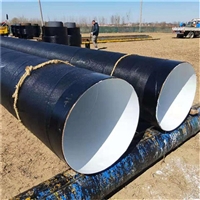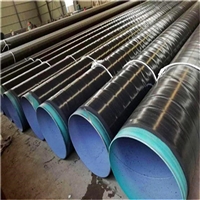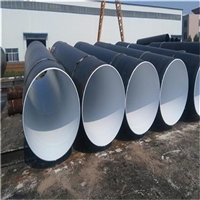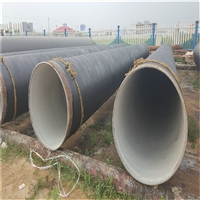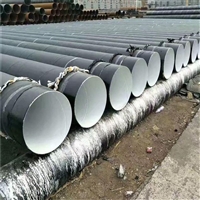


Manufacturer of internal and external anti-corrosion steel pipes
Category:
metallurgy/tubing/Spiral tube
Model:
Brand:
Guanghui
Retail Price
4,200.00USD
重量
kg
- Product Description
-
Description :
In the production of internal and external anti-corrosion steel pipes, rust conversion primer should be directly applied to areas with rust. When encountering rust, a polymer reaction will occur, and the color after conversion will be black with strong adhesion. It can be used alone for rust prevention for 2 years or in combination with other topcoats. After chemical cleaning, use a vapor phase rust inhibitor. Pack the vapor phase rust inhibitor in bags and string them inside, or use a blower to blow the vapor phase rust inhibitor in. The simple and easy process for rust removal and corrosion prevention of steel pipes is as follows: degreasing - water washing - acid washing - water washing - water washing - phosphating - water washing - drying - painting - next process. Mechanical rust removal method: sandblasting - degreasing - water washing - phosphating - water washing - drying - painting - down to the next process. The chemical transformation rust removal method is relatively simple, and its anti-corrosion effect is no different from traditional methods, reducing costs. The factors that affect the anti-corrosion effect of epoxy coal tar anti-corrosion steel pipes are mainly as follows: 1. The surface treatment of the steel pipe is not qualified and has not reached the rust removal level Sa2, and the coating and steel pipe cannot achieve effective bonding, so the anti-corrosion effect cannot be achieved. 2. The proportion of the coating is not qualified, causing the anti-corrosion thickness of the epoxy coal tar anti-corrosion steel pipe to be too thin, which is prone to skin peeling. 3. Glass fiber cloth bubbles, and the wax and alkali content inside the poor quality glass fiber cloth is not qualified. Uneven coating and other phenomena can also affect its anti-corrosion effect. 4. One of the reasons for the failure of anti-corrosion steel pipes is the inclusion of debris such as sediment and water in the construction environment under harsh conditions, which are wrapped in anti-corrosion coatings and fiber cloth.
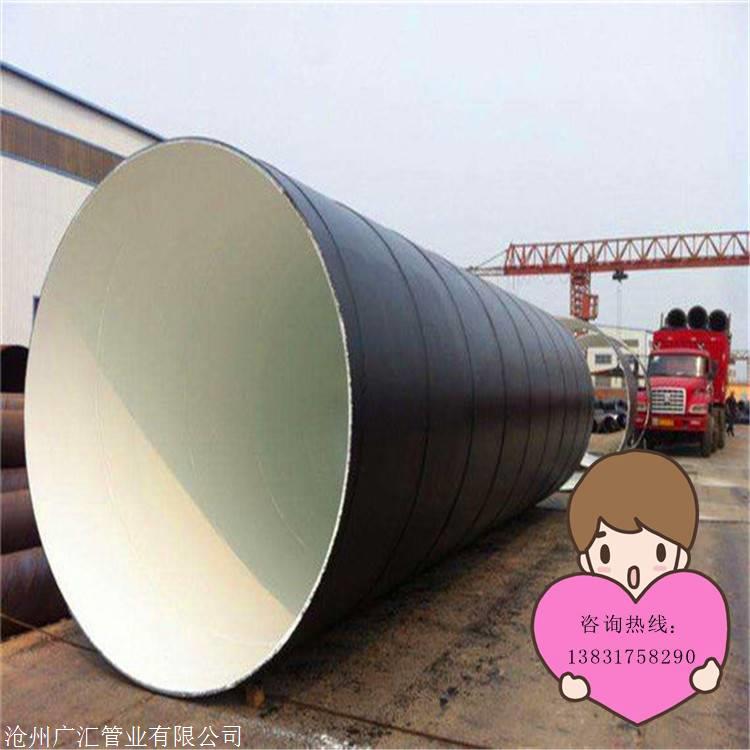
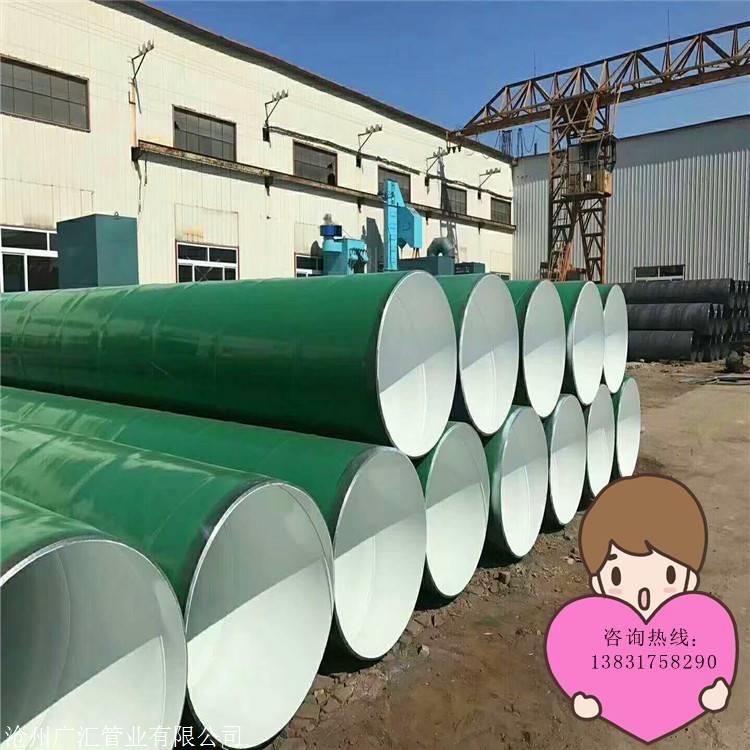
The epoxy coal tar anti-corrosion steel pipes produced by our company are widely used in oil, natural gas, coal gas, tap water, chemical pipelines, power casings, sewage treatment, steel structures, centralized heating, thermal power generation and other projects. They can also be used in building structures, bridge components and foundation pile driving projects. The company has strong technical strength and rich construction experience, and has participated in the completion of many long-distance oil, gas, and water pipelines in China. The product quality and service have received unanimous praise from users. The company regards product quality as the life of the enterprise and has established a comprehensive quality assurance system. Capable of quality tracking and control throughout the entire process from raw materials, rust removal, coating to product delivery. A sound quality management system and advanced testing methods provide users with products and reliable guarantees. Our consistent goal is to provide satisfactory product services to domestic and foreign users.
Internal and external anti-corrosion steel pipes are a cost-effective form of anti-corrosion, and engineering tests have shown that using epoxy coal tar with cathodic protection. Oil and gas pipelines have been used for 20 years without any corrosion. The components are epoxy coal tar primer and topcoat, both of which are mainly composed of epoxy resin and coal tar as film-forming materials, and are made by adding various anti rust pigments, insulating fillers, toughening agents, leveling agents, diluents, anti settling agents, etc. The B component is a modified amine curing agent or a curing agent as the main material, and is made by adding pigments and fillers. When this product is sold, components A and B are supplied together. During construction, they are mixed in proportion and mixed evenly before being used up within the specified time. It is mainly used for anti-corrosion of the outer walls of buried or underwater steel oil, gas, water, and heating pipelines. It is also suitable for anti-corrosion of various steel structures, docks, ships, water gates, gas storage tanks, equipment in refineries and chemical plants, as well as waterproofing and leakage prevention of concrete pipes, sewage tanks, roof waterproof layers, bathrooms, basements, and other concrete structures. Epoxy coal tar anti-corrosion steel pipe is currently well evaluated for its anti-corrosion coating application effect both domestically and internationally. There are few reports on the defects that occur during its use. The main drawback of the report is the exposure. be stripped. Cathodic stripping. Cathodic protection shielding.
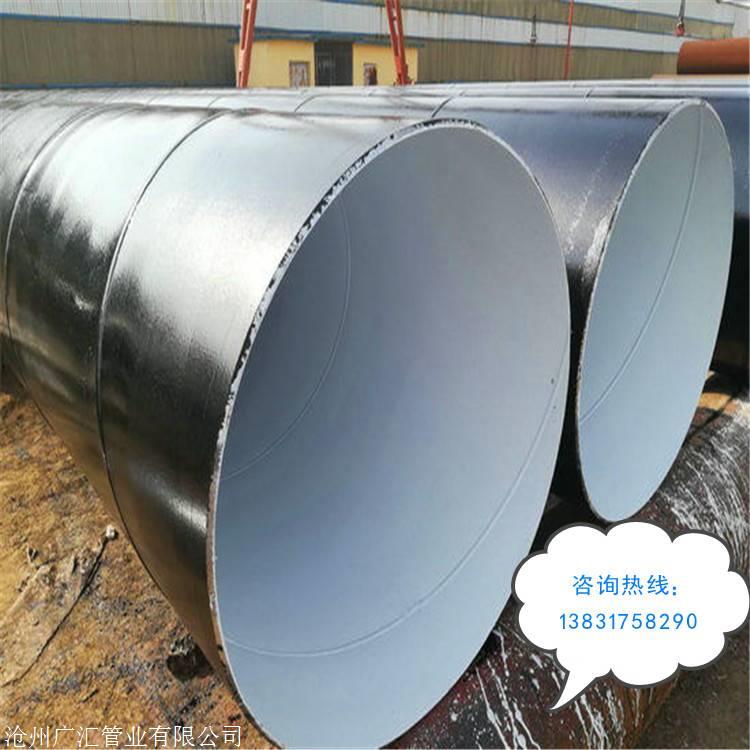
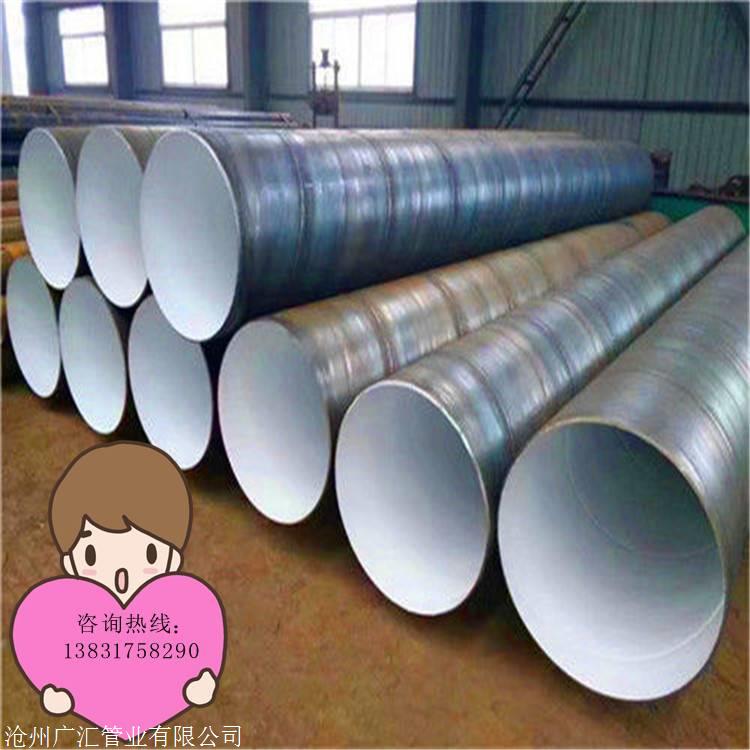
The factors that affect the anti-corrosion effect of epoxy coal tar anti-corrosion steel pipes are mainly as follows: 1. The surface treatment of the steel pipe is not qualified and has not reached the rust removal level Sa2, and the coating and steel pipe cannot achieve effective bonding, so the anti-corrosion effect cannot be achieved. 2. The proportion of the coating is not qualified, causing the anti-corrosion thickness of the epoxy coal tar anti-corrosion steel pipe to be too thin, which is prone to skin peeling. 3. Glass fiber cloth bubbles, and the wax and alkali content inside the poor quality glass fiber cloth is not qualified. Uneven coating and other phenomena can also affect its anti-corrosion effect. 4. One of the reasons for the failure of anti-corrosion steel pipes is the inclusion of debris such as sediment and water in the construction environment under harsh conditions, which are wrapped in anti-corrosion coatings and fiber cloth. Epoxy coal tar coating is widely used in the anti-corrosion engineering of steel storage tanks and various steel structures, as well as in the waterproof and anti-seepage engineering of concrete structures. All 11 5000m3 oil tank tops at the Binnan initial station of Shengli Oilfield have been repaired with epoxy coal tar coating, which is still intact. In 1989, the Asian Games Village sewage treatment plant used epoxy coal tar coating to prevent corrosion and leakage of activated sludge tanks (concrete tanks). The activated sludge tanks and sewage pipelines at the Gaobeidian sewage treatment plant in Beijing also used epoxy coal tar coating, and the long-term use effect is very good. At present, epoxy coal tar coating has been widely used in various pipeline equipment and steel structures such as tap water, gas, natural gas, heating in industries such as petroleum, chemical, and urban public utilities, with an annual usage of nearly 1000 tons. It is a widely used and widely used anti-corrosion coating in China.
AfterSalesService :
Key words:- Internal and external anti-corrosion steel pipes
More Products