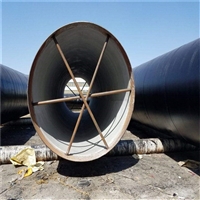


Quotation from cement mortar steel pipe manufacturer
Category:
building materials/Pipe fittings/Welded steel pipe
Model:
Brand:
Cangzhou Guanghui Pipe Industry
Retail Price
4,080.00USD
重量
kg
- Product Description
-
Description :
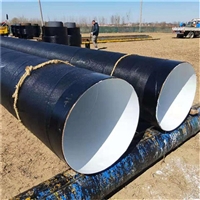
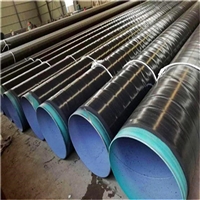
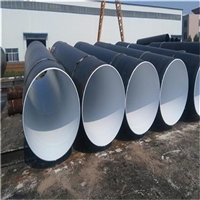
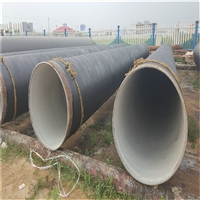
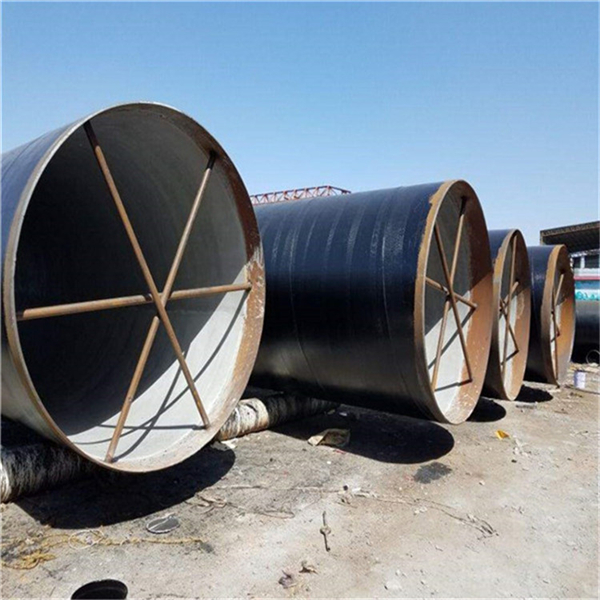
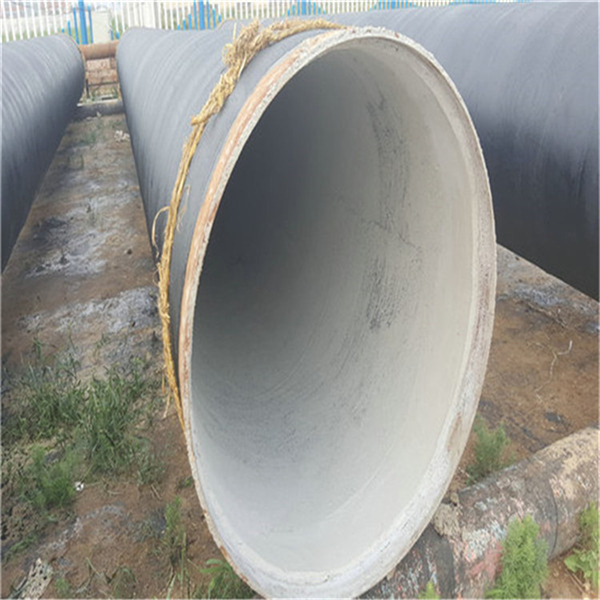
There are two methods for the construction of cement mortar. One is the ground centrifugation method. Mainly suitable for the construction of pipeline lining below DN400 caliber. But the underground spraying method is mainly suitable for underground anti-corrosion construction of pipelines with a diameter of DN700 or above. Is the technology of cement mortar anti-corrosion steel pipe mature? Can his mechanical strength meet the customer's requirements? According to foreign experimental data, its mechanical strength can be proven. When the steel pipe is deformed and flattened under external pressure, the mortar will produce "hair like" cracks, but it is very difficult for the mortar to peel off from the pipe wall. On a steel pipe with a diameter of DN800 millimeters and a wall thickness of 7.1 millimeters, a one meter long pipe section is cut and lined with an 11 millimeter thick mortar coating. When the flatness is 7-8 millimeters, the appearance of "hair like" cracks can be seen. When the flatness increases to 50 millimeters, cracks gradually increase to the entire pipe section at the edge. Experimental results show that "hair like" cracks occur when the flatness reaches 1% of the pipe diameter. When the flatness reaches 6-9%, the mortar coating begins to crack and peel off when the pipe diameter reaches 30%. This is absolutely not allowed to happen during construction. According to the measurement, the small flatness on DN1100 pipe is 15 millimeters, and on DN1800 pipe it is 21 millimeters.
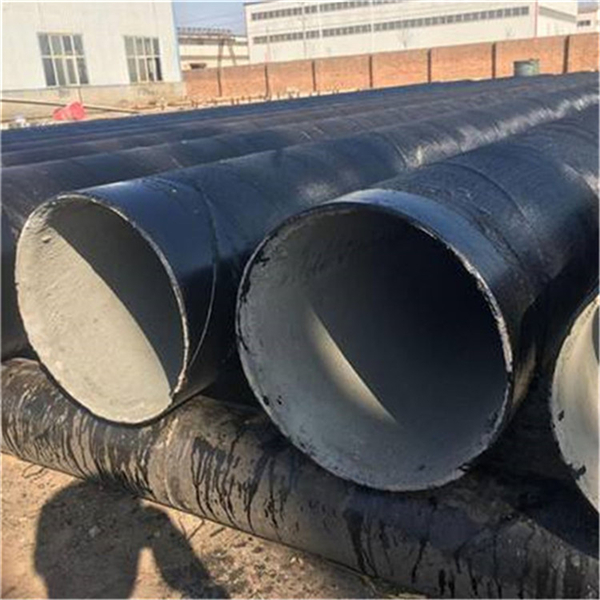
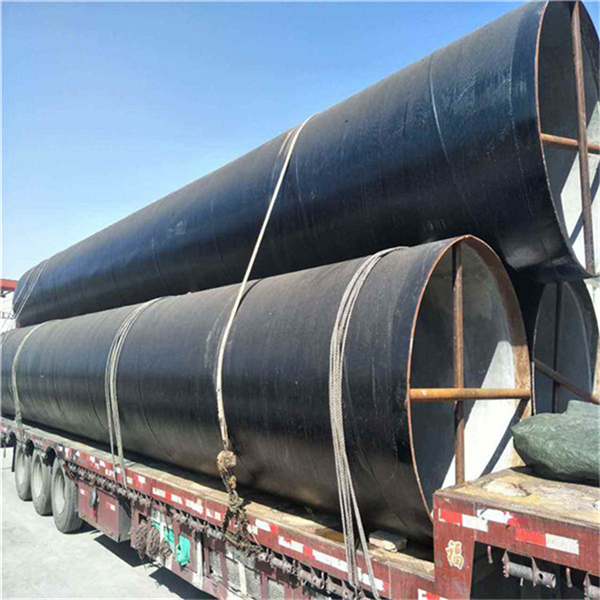
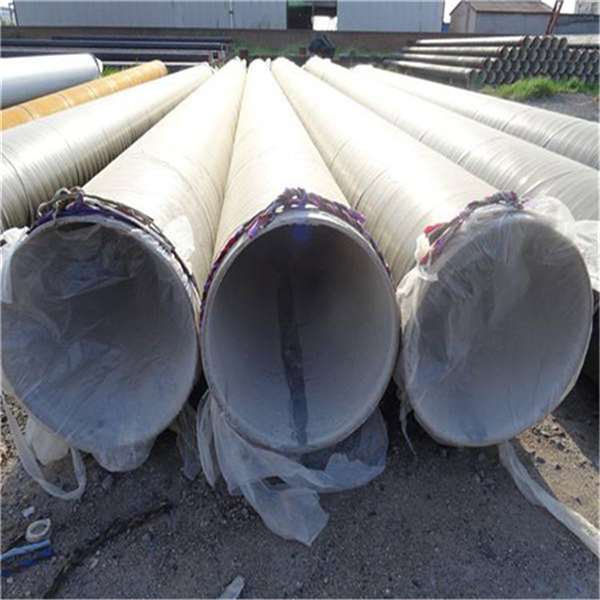

From this, it can be seen that as the diameter of the pipe increases, the amount of flattened cracks also increases. The bending strength test of pipeline mortar coating is an effective method for testing the mechanical strength of cement mortar. Grade 100 cement mortar refers to a strength of 100kg/cm2, but now it is all measured in MPa, and Grade 100 corresponds to M10. The mix proportion varies depending on the different raw materials and mortar uses. Taking the commonly used 42.5 ordinary Portland cement and medium sand mixed with 100 (M10) masonry mortar as an example: cement 305kg: sand 1.10m3: water 183kg. The mortar grades include M3, M5, M7.5, M10, M12.5, M15, M20, M25, M30, M40. Mortar is divided into several types according to its use, including masonry, plastering, and jointing, regardless of its grade. After the completion of cement mortar work, there is an important process, which is air drying. It refers to drying in the wind for 2-3 days in a natural state. Mainly to prevent cracks in cement mortar caused by bumps during shipment.



AfterSalesService :
Key words:- Cement mortar steel pipe
More Products