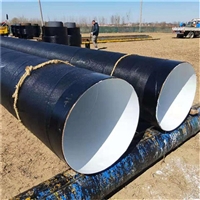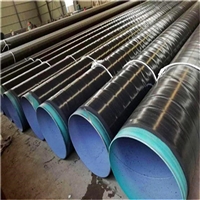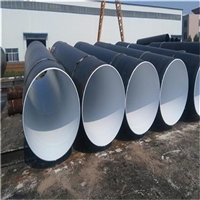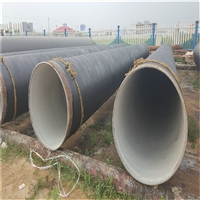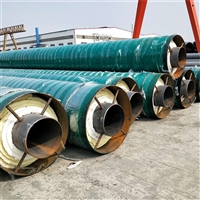


National standard steel sleeve steel insulation steel pipe manufacturer reservation
Category:
metallurgy/tubing/Spiral tube
Model:
Brand:
Guanghui
Retail Price
450.00USD
重量
kg
- Product Description
-
Description :
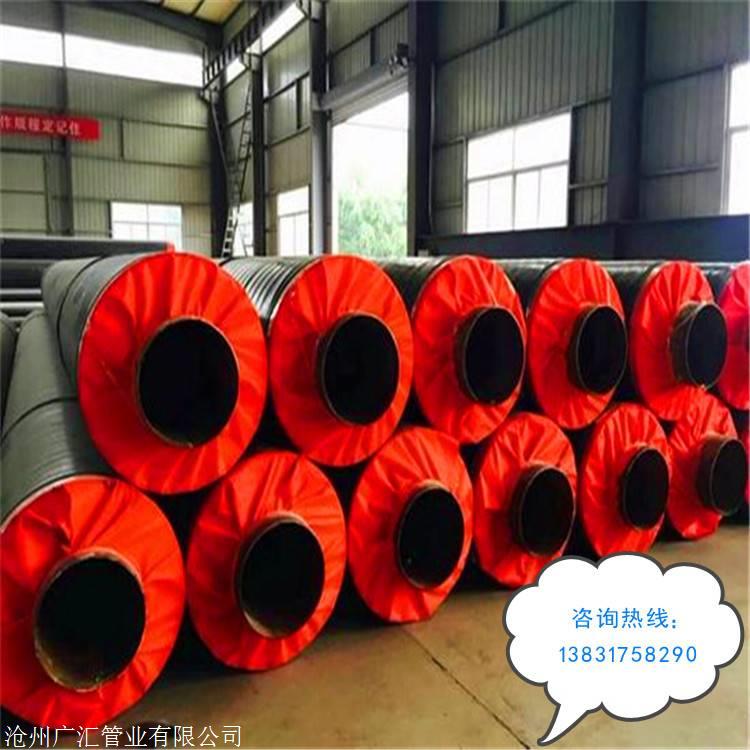
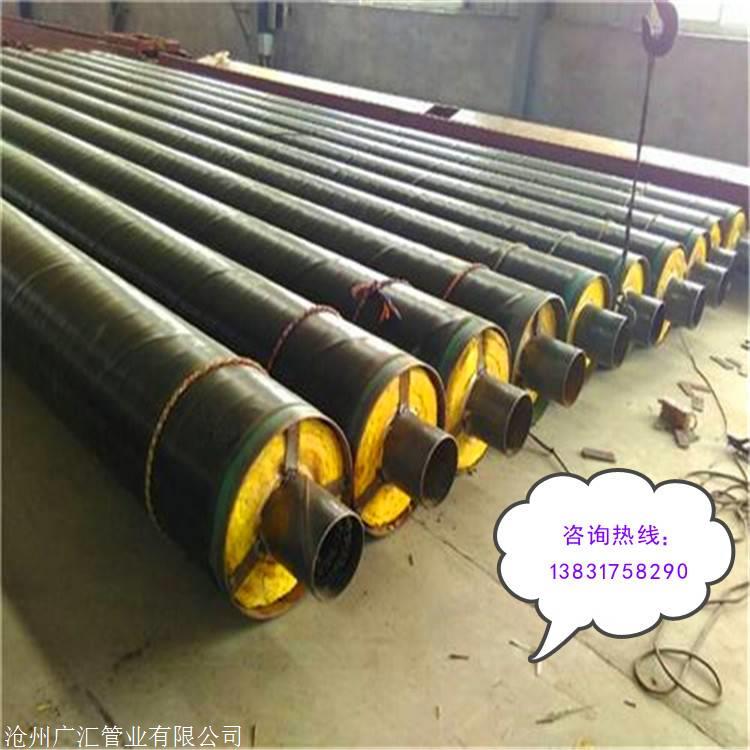
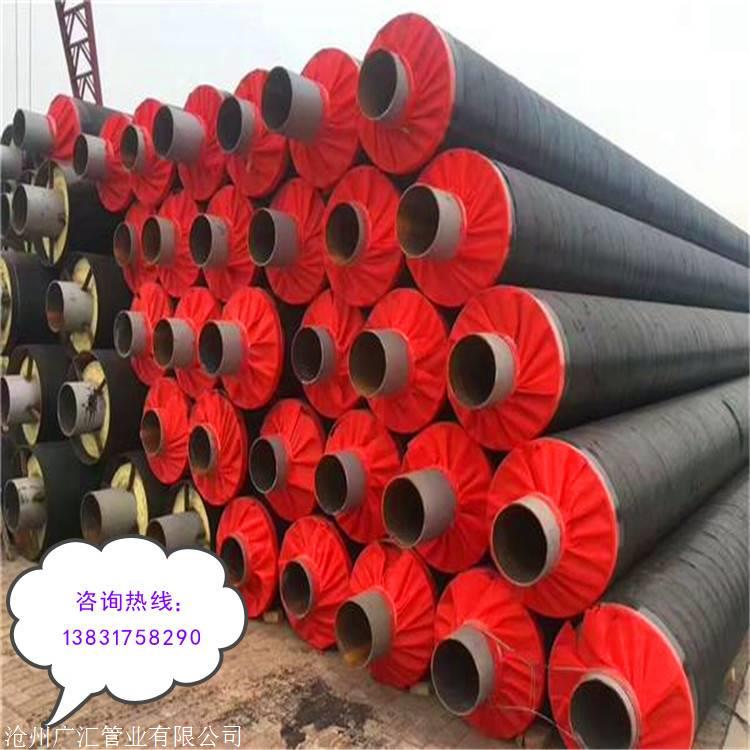
Steel sheathed steel insulated steel pipes are favored by many projects and are the favorite of the steel pipe industry. Steel sheathed steel directly buried steam insulated steel pipes are composed of steel pipes for conveying media, anti-corrosion steel sheathed pipes and ultra-fine glass wool filled between steel pipes and steel sheathed pipes. They can also be compounded of graphite, calcium silicate tile pipe shells and polyurethane foam filled. The steel casing (steel sleeve steel) burial technology is a new burial technology that is waterproof, leak proof, anti-seepage, pressure resistant, and fully enclosed. It is a major breakthrough in the use of direct burial laying technology in areas with high groundwater levels. The primary issue with the protective pipe for buried pipelines is the reliability of tight waterproofing. In addition, it must have good mechanical strength. Due to its high strength, the steel casing is connected by welding, and its waterproof sealing performance is highly reliable. In addition, its high temperature resistance is unmatched by other external protective pipes. In areas with high groundwater levels, to ensure that groundwater does not affect the normal operation of steam buried pipelines, a sturdy and sealed steel pipe shell is used as the outer protective layer. A layer of insulation is made using polyurethane foaming technology outside the centrifugal glass wool insulation layer. The insulation structure is equipped with three waterproof walls: one is polyurethane foam plastic; The second is the outer protective tube of the steel coil; The third is glass fiber reinforced fiberglass. Three waterproof walls, layer by layer waterproofing! Even if groundwater infiltrates the insulation structure for some reason. So, after steam baking to remove moisture, the insulation material still maintains its original shape and performance, and the pipeline network can still operate safely.
In order to meet the needs of modern production, the steel structure workshop was born upon invitation. Compared with early component workshops, the steel structure workshop has the following advantages: first, shorter construction time, second, lower construction price, and third, practicality. The general steel structure workshop includes steel columns, steel beams, steel structure foundations, steel roof trusses, and steel roofs. Steel columns used channel steel in the past few years, but in recent years, people have discovered the shortcomings of channel steel in construction and gradually replaced it with spiral steel pipes. Spiral steel pipes have the following advantages in steel structure workshops. Spiral steel pipe specifications have strong adaptability, which means that spiral steel pipes can be produced in any specification. The length of spiral steel pipes can also be arbitrary, up to 30 meters. Spiral steel pipes can also be made into joint pillars, which have better effects than channel steel and are cheaper in price. There are basically two industry standards for spiral steel pipes in China. One is the standard of the Ministry of Petroleum, SY/T5037 series, which refers to the national standards of the former Soviet Union. For today's national construction, the standard is too low, and most manufacturers do not adopt this standard anymore. The other is the national standard, which can be used for large, medium and small projects in the country with guaranteed quality. Friends who engage in import and export trade abroad know that there is a question: which standard is higher domestically or internationally? In fact, the standards are higher abroad because the introduction of spiral steel pipe production lines in China has almost eliminated this production technology in many developed countries. Spiral steel pipes are made by rolling low-carbon carbon structural steel or low-alloy structural steel strips into billets at a certain angle of the spiral line (called the forming angle), and then welding the pipe seams together. It can produce large-diameter steel pipes with narrower strip steel. Spiral welded pipes are mainly used for transportation pipelines of oil and natural gas, and their specifications are expressed as outer diameter * wall thickness. Spiral welded pipes can be single-sided or double-sided welded. Welded pipes should ensure that the water pressure test, tensile strength, and cold bending performance of the weld meet the regulations.? Spiral steel pipes themselves allow for repair welding, and the repair welding standards include the following points: 1. Surface defects on the spiral steel pipe must be completely removed. 2. The total length of each repair weld on the spiral steel pipe should be less than or equal to 5% of the total length of the spiral steel pipe. 3. Multiple weld defects with a spacing of less than 100mm on the spiral steel pipe should be repaired as a continuous single weld. At least two repair welds should be made on a single weld on the spiral steel pipe, with a repair welding length of 50mm. 4. The number of repair welds on the spiral steel pipe should not exceed two times.
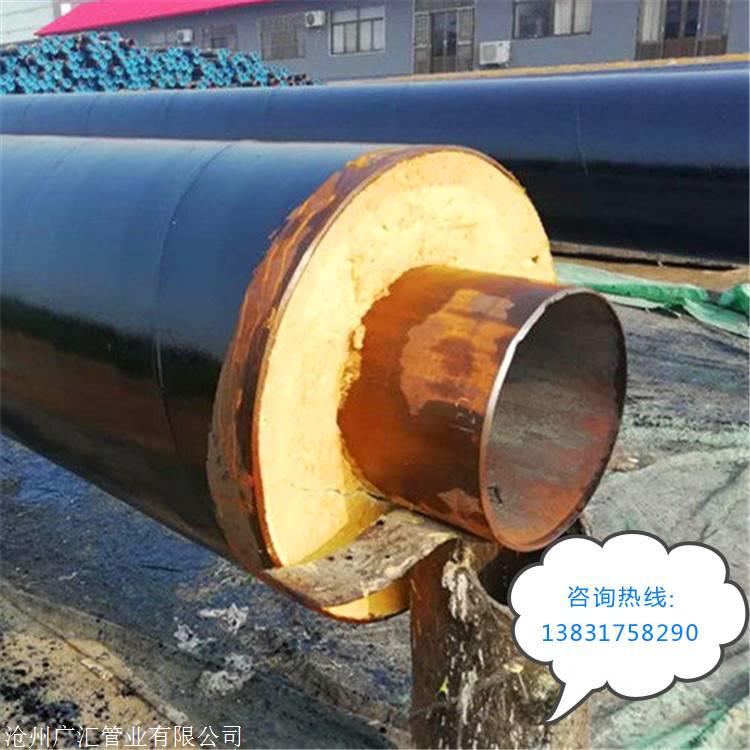
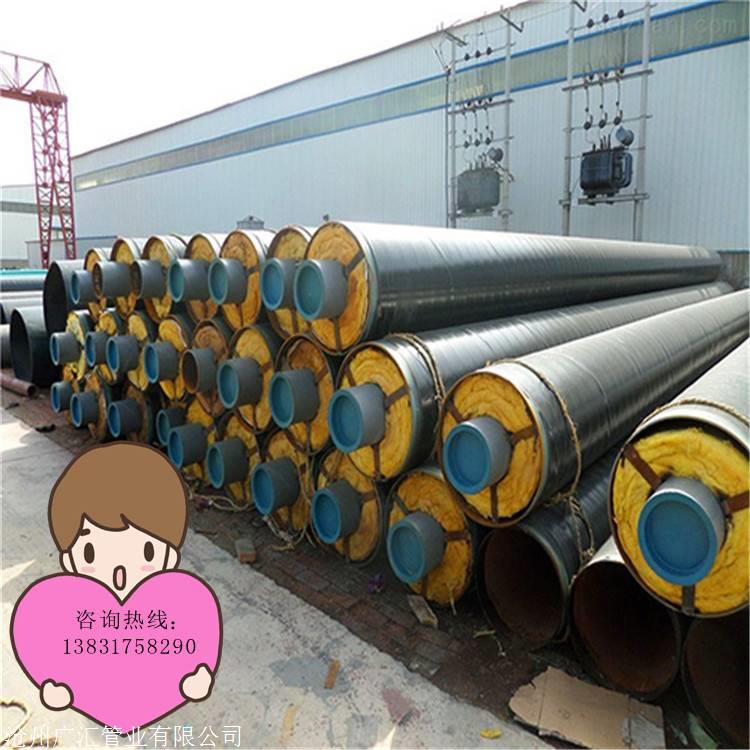
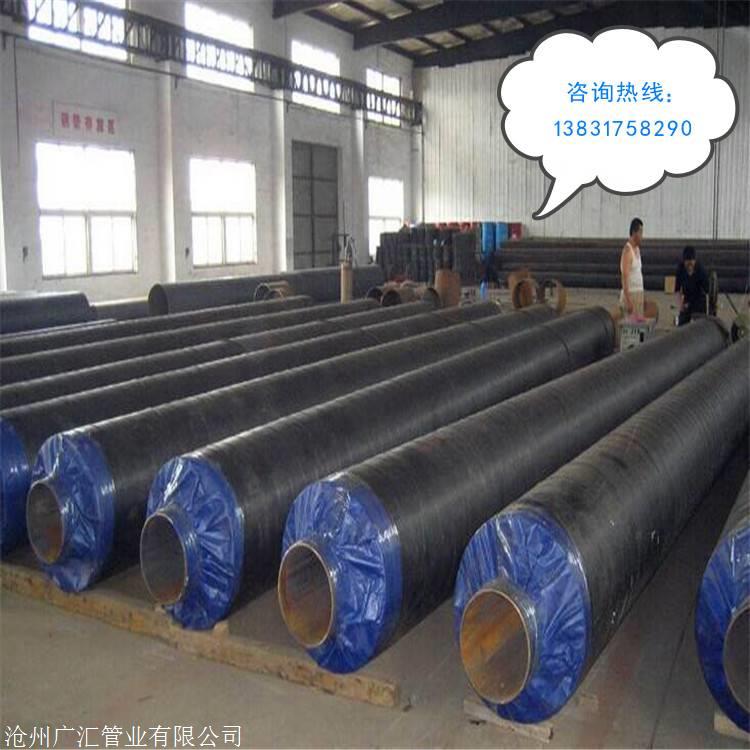
Steel sleeve insulated steel pipe is a type of directly buried prefabricated insulation pipe with good insulation performance, safety and reliability, and low engineering cost. Effectively solved the problem of high-temperature transportation for urban centralized heating, and addressed the insulation, sliding lubrication, and waterproofing issues of prefabricated buried insulation pipes and exposed pipe ends. Steel insulated pipes not only have advanced technology and practical performance that traditional trench and overhead pipelines cannot compare with, but also have significant social and economic benefits, and are a powerful measure for heating energy conservation. The steel sleeve, steel glass wool insulation steel pipe has the characteristics of high strength and good sealing. Using steel pipes as the outer protective layer has the characteristics of high strength, resistance to damage, and ability to withstand the load on the upper part of the trap. In order to achieve long service life, anti-corrosion treatment is required for the steel outer casing to ensure the safety of the heating pipeline. It can be widely used safely in different temperature environments, especially for high-temperature steam pipeline projects. The sliding bracket and internal fixation in the steam pipeline are insulated with special materials to prevent the formation of thermal bridges, thereby ensuring the temperature control of the outer anti-corrosion layer. Fiber wrapped reinforced fiberglass outer protective pipes have good rigidity and waterproof performance, and their excellent corrosion resistance allows them to adapt to various complex soil environments... Engineering pipes generally transport steam, and the key problem lies in the surface temperature of the insulation layer and the leakage prevention of high-density polyethylene pipes at the fixed support pier. There are gaps at the joints of calcium silicate, which can cause local temperature rise in the outer protective layer and affect the service life of high-density polyethylene pipes; If it is a reinforced concrete fixed support pier, the high-density polyethylene pipe at the fixed support pier is not easy to connect with the concrete. If rainwater infiltrates in summer and the pipeline corrodes and damages the insulation performance of the insulation layer during winter steam supply, the temperature of the high-density polyethylene pipe protective layer will be too high, reducing the service life of the high-density polyethylene pipe protective layer and even causing cracks.
AfterSalesService :
Key words:- Steel sleeve steel insulation steel pipe
More Products