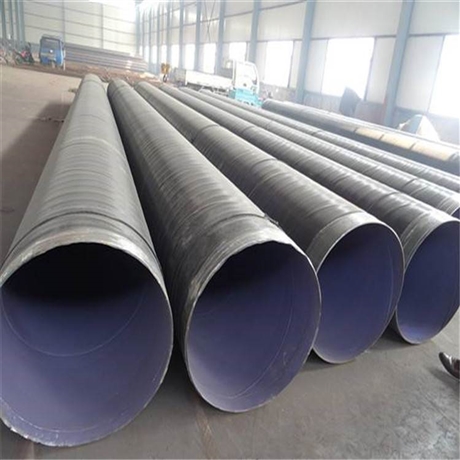



3PE polyethylene TPEP anti-corrosion steel pipe, steel pipe internal and external anti-corrosion manufacturer
Category:
metallurgy/tubing/Spiral tube
Model:
Brand:
Guanghui
Retail Price
4,820.00USD
重量
kg
- Product Description
-
Description :
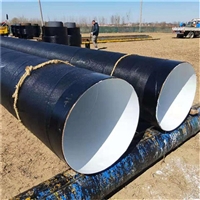
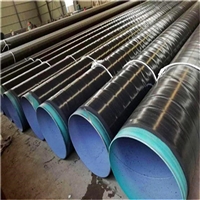
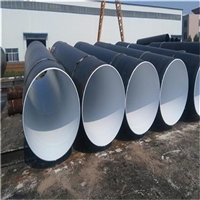
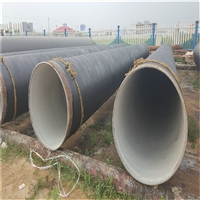
TPEP anti-corrosion steel pipe with external E and internal fusion bonded epoxy anti-corrosion steel pipe is an upgraded product based on the external single-layer polymer internal epoxy composite steel pipe. It is currently an advanced form of steel pipe anti-corrosion for buried long-distance pipelines. It is a new type of anti-corrosion production line for large-diameter pipelines independently developed by Hongkehua Pipe Industry. The outer wall adopts a three-layer structure of hot-melt bonding and winding technology, with the bottom layer of epoxy resin, the middle layer of adhesive, and the outer layer of polymer forming the anti-corrosion layer. Thermal spraying epoxy powder is used for anti-corrosion, and the powder is uniformly coated on the surface of the pipe body after high-temperature heating and fusion, forming a steel plastic alloy layer, abbreviated as TPEP steel pipe, (T, the first letter of three layers in English, PE refers to polymer, EP refers to epoxy resin). The TPEP steel pipe has greatly improved the adhesion and thickness of the coating, enhanced the ability to resist bumps and corrosion, and filled the gap in domestic steel pipe anti-corrosion.
The opinions on resolving overcapacity and achieving development through difficulties in the steel industry point out that a special incentive fund for industrial enterprise structure should be established to coordinate the allocation and resettlement of personnel in resolving overcapacity in local areas according to regulations, guide local comprehensive utilization mergers, reorganizations, and liquidations, accelerate the disposal of "zombie enterprises", and achieve market clearance.
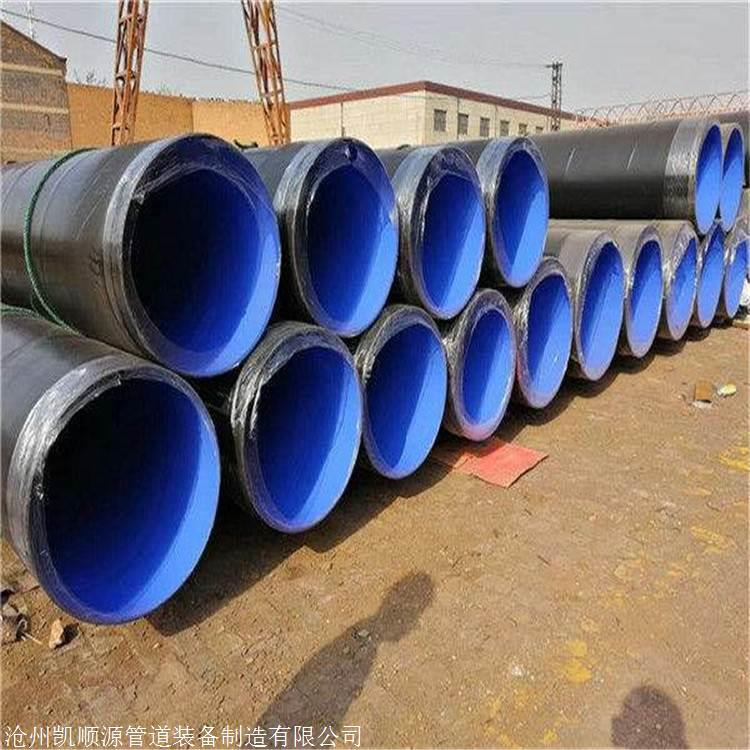
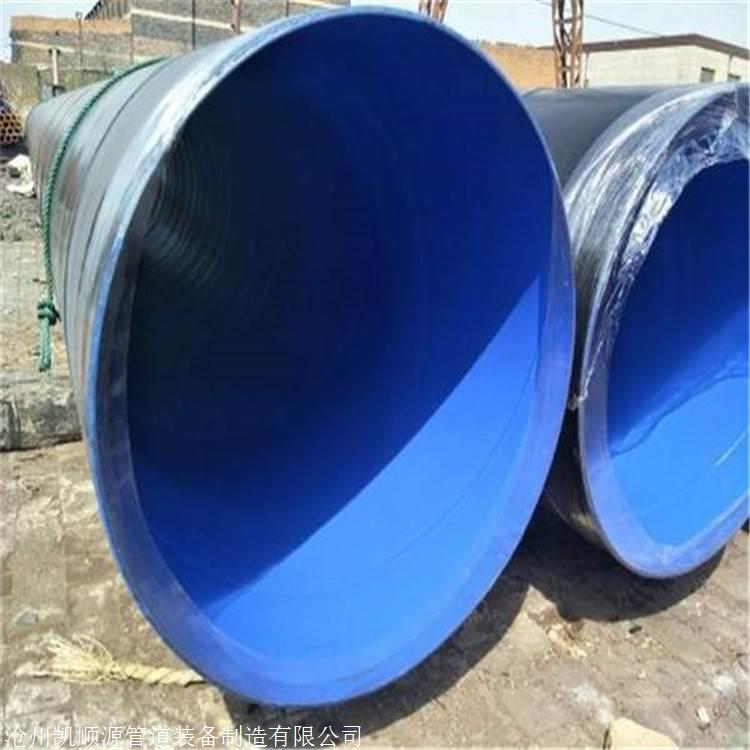
Introduction to TPEP anti-corrosion steel pipe process:
The outer wall adopts a three-layer structure of anti-corrosion coating formed by hot melt bonding and winding technology, with the bottom layer of epoxy resin, the middle layer of adhesive, and the outer layer of polymer. Thermal spraying epoxy powder is used for anti-corrosion, and the powder is uniformly coated on the surface of the pipe body after high-temperature heating and fusion, forming a steel plastic composite layer, which greatly improves the adhesion and thickness of the coating, enhances the ability to resist bumps and corrosion.
Steel pipes have superior ductility, integrity, and convenient construction operability, suitable for underground laying, and can be used for crossing overhead structures, crossing rivers and inverted rainbows, and pipe jacking construction. The steel pipe and its accessories are shielded by anti-corrosion coating on their inner and outer wall surfaces, which is a convenient and commonly used protective measure. The steel plastic composite pipe, after internal and external protection, has a high cost performance ratio and is the combination of excellent performance of steel pipes and plastic pipes. It not only has the strength and rigidity of steel pipes, but also has the advantages of chemical corrosion resistance, no pollution, smoothness, no scale accumulation, and low fluid resistance of plastics. It can effectively prevent secondary pollution of water quality and has a significant effect on water quality. It has been used for more than 50 years in developed countries such as the United States.
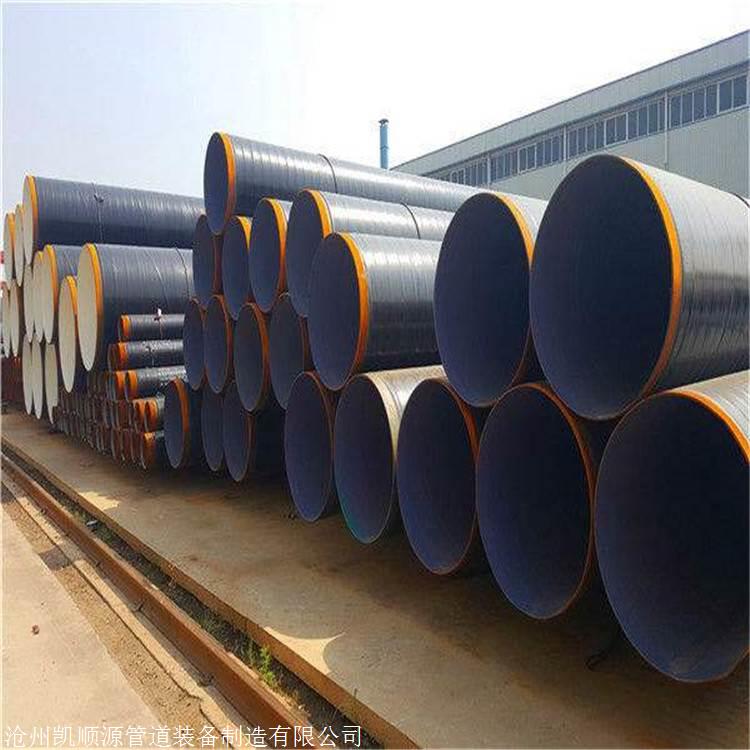
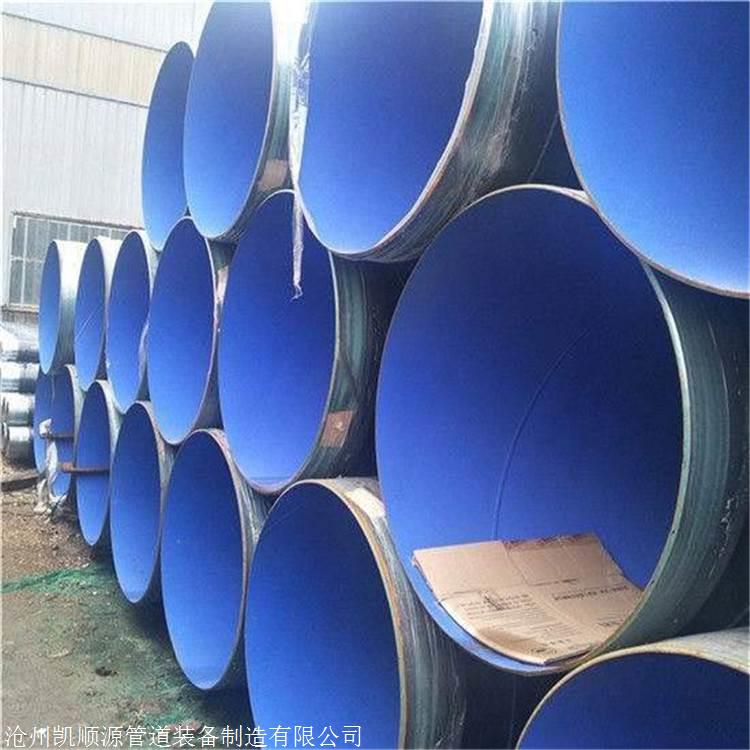
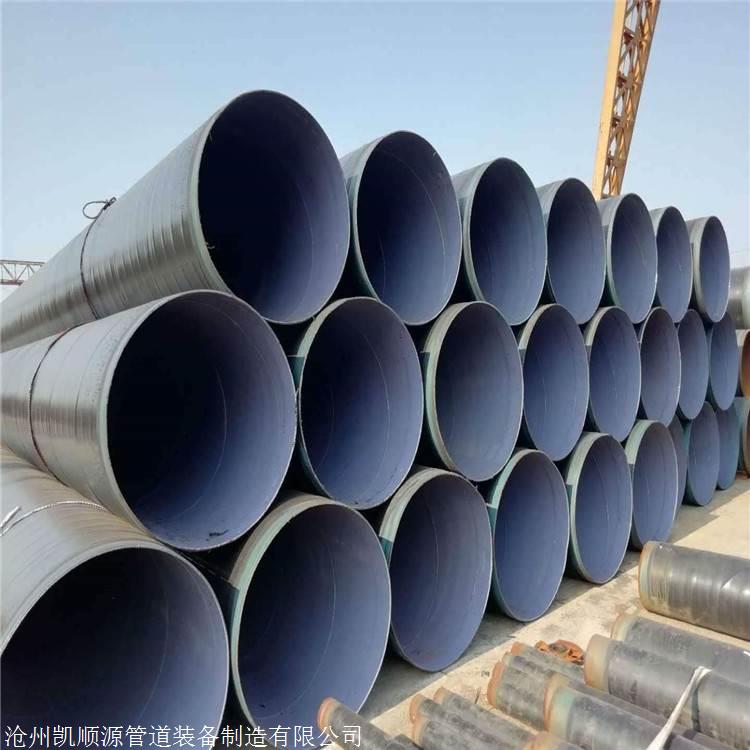
Poly and epoxy resins have excellent corrosion resistance, but each has its own advantages. Poly belongs to thermoplastic, has good flexibility, and is resistant to bumps. Due to its non-polar molecules, it has poor durability in adhesion to steel pipes; Epoxy resin belongs to polar molecules, and its basic groups are prone to react with steel pipes at a certain temperature, resulting in strong adhesion. However, due to its thermosetting nature, it is not resistant to bumps. Therefore, the combination of the two materials belongs to the current anti-corrosion industry * combination. The plastic coated steel pipe industry started with internal and external polymerization, but due to poor adhesion between polymerization and the steel pipe substrate, it later developed into internal and external epoxy, but the external epoxy layer is not resistant to bumps. Later, it developed into the third generation of internal epoxy external polymerization, but there are still adhesion problems when a single layer of polymerization is directly combined with the steel pipe. It has been upgraded to the current anti-corrosion internal hot melt epoxy external three-layer structure polymerization, abbreviated as TPEP anti-corrosion steel pipe.
At present, China has sufficient savings funds, and the prices of domestic and foreign capital goods and raw materials are relatively low. The economically underdeveloped regions in the central and western regions should continue to actively implement large-scale infrastructure construction, while also promoting urbanization, short-term stable growth, and boosting steel demand. There is a significant gap between the proportion of steel structures used in China's housing construction and that of developed countries, and it is necessary to gradually increase the proportion of steel structures used in housing construction.
AfterSalesService :
Key words:- 3PE anti-corrosion steel pipe
More Products