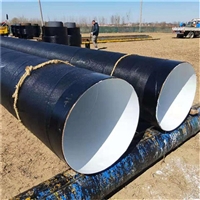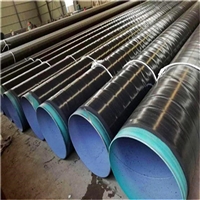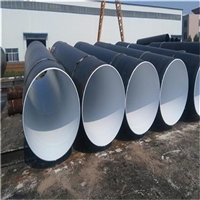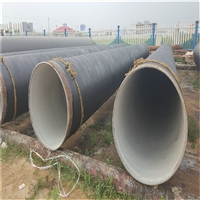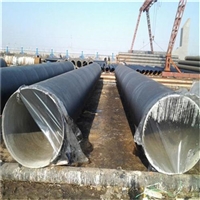


Cement mortar anti-corrosion spiral steel pipe manufacturer
Category:
metallurgy/tubing/Spiral tube
Model:
Brand:
Guanghui Pipe Industry
Retail Price
530.00USD
重量
kg
- Product Description
-
Description :
Cement mortar anti-corrosion spiral steel pipe is filled with concrete inside the steel pipe, which can absorb a large amount of heat energy. The main raw material is a mixture of cement, sand, and water, commonly known as cement mortar. The specification of cement mortar anti-corrosion spiral steel pipe is 325-2400mm, and the cement mortar ratio is 1 part cement and 3 parts sand, which actually ignores the composition of water. Mortar is divided into several types according to its use, including masonry, plastering, and jointing, regardless of its grade. After the completion of cement mortar work, there is an important process, which is air drying. Mainly to prevent cracks in cement mortar caused by bumps during shipment. Cement mortar lined anti-corrosion steel pipes are used in municipal engineering: suitable for high-rise building water supply, heating network, tap water engineering, gas transmission, buried water transmission and other pipelines. Petroleum: Process pipelines used for transporting corrosive media in industries such as petroleum transportation pipelines, chemical pharmaceuticals, and printing and dyeing. Sewage treatment: Sewage treatment discharge pipes, sewage pipes, and biological pool anti-corrosion engineering. Agriculture: agricultural irrigation pipes, deep well pipes, drainage pipes, and other networks have better corrosion resistance than steel structures, which is beneficial for the fire resistance and prevention of steel pipes. The main production base is in Cangzhou, Hebei. The strength of cement mortar grade refers to the overall distribution of compressive strength measured by standard testing methods on cubic specimens made and cured according to standard methods at 28 days of age. The main implementation standards are SY/T0447-96; GB50268-97; CECS10:89; DIN30670、DIN30671、SY/T0413-2002、SY/T0315-97。 The characteristics of cement mortar anti-corrosion spiral steel pipe are that it also has good corrosion resistance and impact resistance under low temperature conditions, and can be directly buried in underground frozen soil.
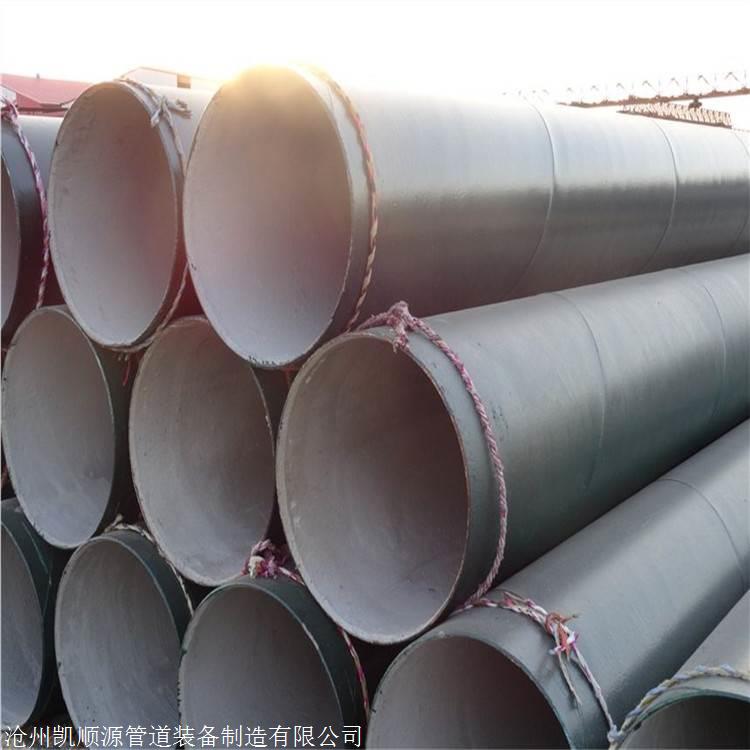
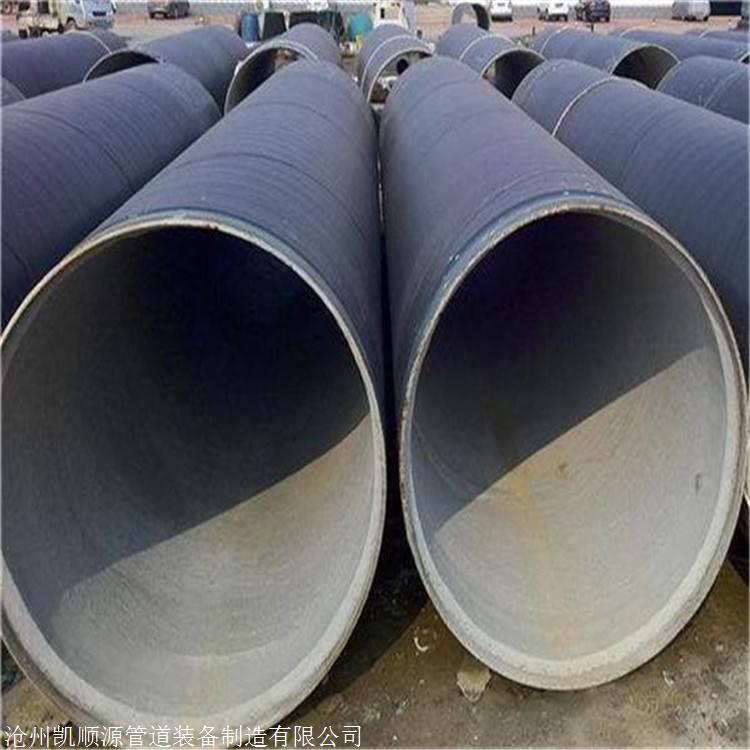
Anti corrosion spiral steel pipes are mainly used for the outer wall anti-corrosion of buried or underwater steel oil, gas, water, and heating pipelines. They are also suitable for anti-corrosion of various steel structures, docks, ships, water gates, gas storage tanks, refinery and chemical plant equipment, as well as waterproofing and leakage prevention of concrete pipes, sewage tanks, roof waterproof layers, bathrooms, basements, and other concrete structures.
Hardness index of anti-corrosion spiral steel pipe:
The ability of a metal material to resist the indentation of a hard object on its surface is called hardness. According to different testing methods and applicable ranges, hardness can be divided into Brinell hardness, Rockwell hardness, Vickers hardness, Shore hardness, microhardness, and high-temperature hardness. For anti-corrosion spiral steel pipes, three commonly used hardness types are Brinell, Rockwell, and Vickers.
Cement mortar anti-corrosion seamless steel pipe is a widely used water transmission equipment in many fields, which can effectively protect water quality, facilitate transportation, have low cost, wear resistance and anti-corrosion, high economic cost-effectiveness, and can be produced on a large scale. Therefore, it is widely used.
Generally, regular cement mortar anti-corrosion seamless steel pipes have strict standards for materials and production processes. However, some producers often lower the requirements for materials and production processes for profit, and the quality of the produced steel pipes often does not meet the requirements, causing great inconvenience to users. It is necessary to have a proper understanding of the areas that may affect the quality of steel pipes in order to avoid losses when making purchases. It can be roughly summarized as follows:
1. If there are no special requirements, the diameter range should be between 159mm-2220mm. If it is too large or too small, it may be a problem with the manufacturing process.
2. The mortar mix ratio and the various components of the lining have strict proportion requirements. Unqualified products often have deficiencies in wear resistance, adhesion, and other aspects, which can be inspected.
3. Surface inspection of steel pipes, uneven material ratios, or unqualified production equipment can leave marks on the surface of steel pipes. Steel pipes with uneven surfaces, cracks, or many wrinkles are considered unqualified products.


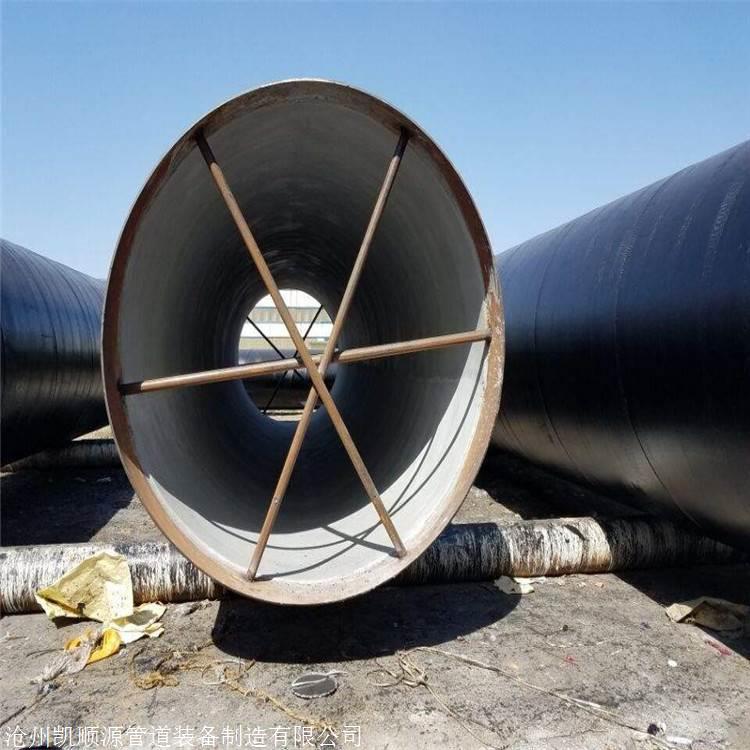
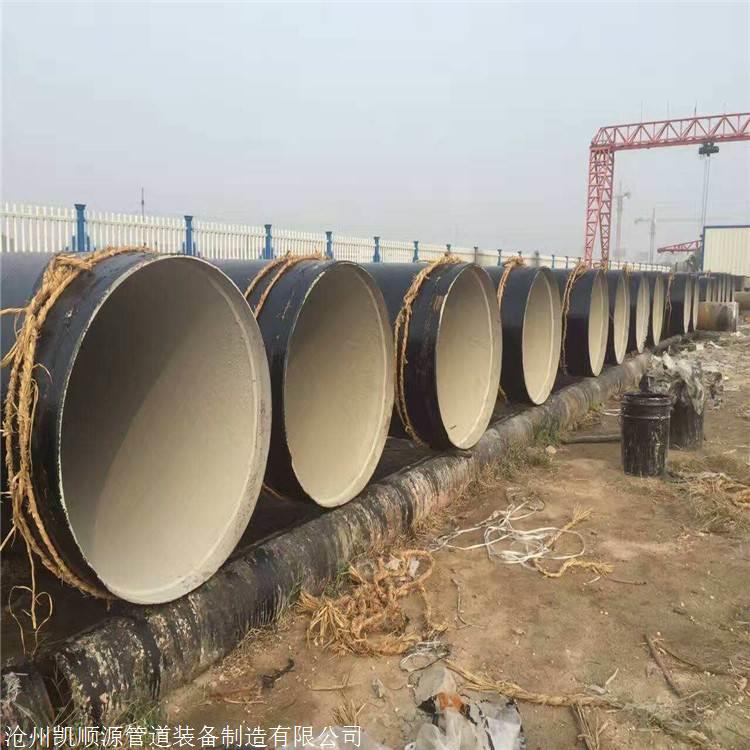
Cracks that occur during the transportation and installation of cement mortar will quickly dissolve and heal upon contact with water in the pipeline, i.e. self-healing, without affecting the anti-corrosion effect.
The skill of using cement mortar fabric can not only be applied to the anti-corrosion of new pipelines, but also to the renovation of old pipelines. Because the metal water supply pipeline that was previously installed only had one layer of asphalt brushed on the inner wall, corrosion and scaling occurred due to prolonged water flow and anaerobic bacteria ingestion inside the pipeline. In some places, the rust and grime can reach up to ten centimeters. The cross-section of the water passage is therefore reduced. The friction coefficient is originally 0. 012 increased to 0. Even reaching 0 in 2019. Above 02 directly affects the water quality and energy consumption of the water supply in the water plant. It has had an impact on the physical health of citizens and the quality of industrial and mining enterprise products. Shanghai once measured a DN1200 steel pipe at the Nanshi Water Plant, and due to rusting and scaling, its friction coefficient reached 0. Above 018, the water delivery capacity can only be appropriately matched with a DN900 pipeline, and a new DN600 pipeline needs to be laid to reach the water delivery capacity of the original DN1200 pipeline. After the cleaning and renovation of the pipeline, cement mortar was lined from the beginning, and the friction coefficient was measured after passing water. It has now decreased to -0.12 and fully recovered to the friction level of the new pipeline. The cost of pipeline cleaning and renovation with cement mortar lining is only 1/12 of that of the newly laid DN600 pipeline, achieving considerable economic and social benefits, and revitalizing the old pipeline.
In summary, the anti-corrosion process of cement mortar fabric is a progressive benefit for both new and old pipelines. Anti corrosion saves funds, ensures safe water supply, and is an important measure for service. It is an anti-corrosion technique that is in line with China's national conditions and has value for promotion and application.
AfterSalesService :
Key words:- Cement mortar anti-corrosion steel pipe


More Products