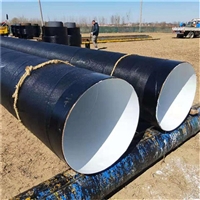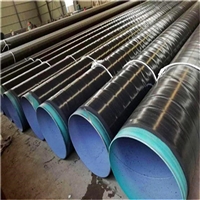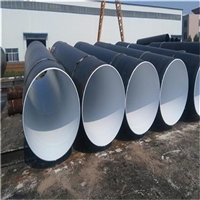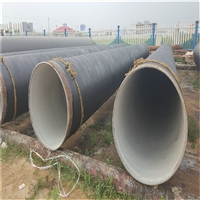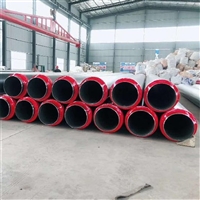
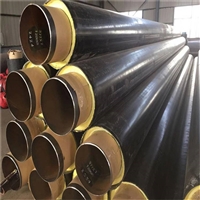


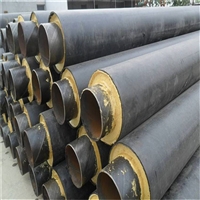
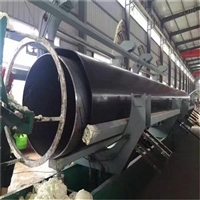

Manufacturers produce polyurethane foam insulated steel pipes, steel sleeves, and insulated steel pipes
Category:
building materials/Pipe fittings/Welded steel pipe
Model:
Brand:
Guanghui
Retail Price
436.00USD
重量
kg
- Product Description
-
Description :
Polyurethane foam insulated steel pipes for heating have extremely high mechanical strength and excellent corrosion resistance, which can protect the pipes from damage caused by external factors during transportation, installation, and use. As the closed cell rate of polyurethane foam is more than 92%, polyurethane foam can not only be used as the thermal insulation layer of directly buried pipelines, but also effectively prevent water, moisture and other corrosive liquids and gases from penetrating, preventing the growth and development of microorganisms. Polyurethane insulation pipes are highly popular due to their excellent performance, convenient construction, and long service life. Polyurethane insulation pipe is made of high-performance polyether polyol combination material and multiple polyisocyanates as raw materials through chemical reaction foaming. Since the birth of polyurethane synthetic materials in the 1930s, polyurethane foam insulation pipes have been rapidly developed as an excellent insulation material, and their application scope has become increasingly wide. Due to their simple construction and significant energy-saving and anti-corrosion effects, they have been widely used in various pipelines such as heating, cooling, oil transportation, and steam transportation. Prefabricated buried insulation pipes mainly refer to insulation pipes with polyurethane as the insulation layer and polyethylene as the outer jacket. They are mainly used in the centralized heating industry in the north to transport hot water at 50-140 degrees Celsius; In some areas of the south, it can be used for centralized cooling industry, divided into two types: hot water and cold water as power sources; In industry, there are many media inside pipelines that require insulation, and any temperature below 140 degrees Celsius can be used.

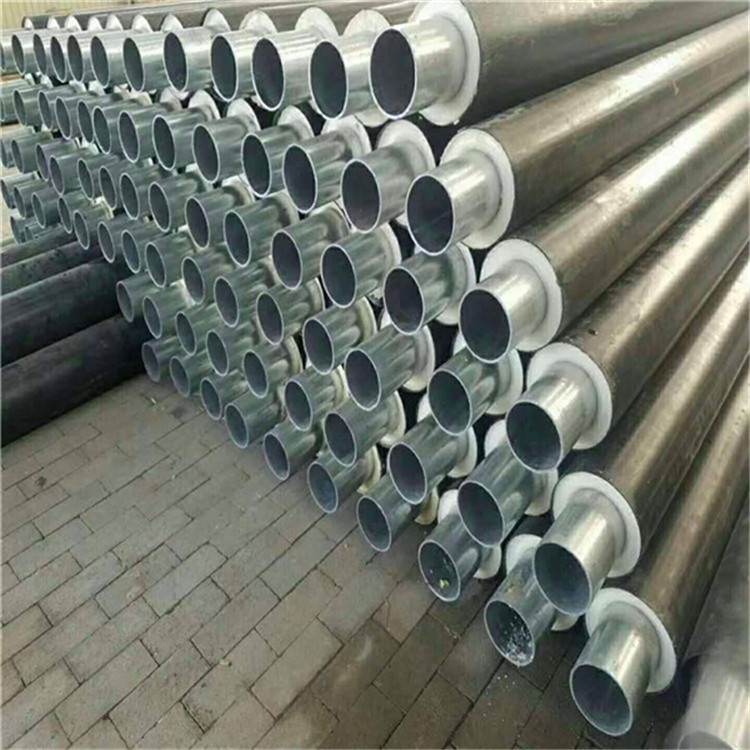

Process characteristics of polyurethane buried insulation pipe: 1. Shot blasting rust removal: The shot blasting rust removal machine, dust collector, upper pipe machine, lower pipe machine, and pipe conveyor should be arranged outside the workshop. Send the steel pipes to be shot blasted and derusted in sequence to the upper pipe machine → start the upper pipe machine → transport the pipe machine → shot blasting and derusting machine → dust collector steel → adjust the running speed of the pipe → adjust the shot blasting amount → achieve the effect of shot blasting to roughen the surface of the steel pipe and present the original metallic luster → lower the pipe machine. 2. Pipe threading and bracket bundling: A. HDPE outer protective pipe selected according to the core pipe and insulation layer (product meets design requirements or standards) → V-groove threading machine. B. Shot blasted steel pipe (lower pipe machine) → pipe conveyor → pipe threading machine roller conveyor section → segmented bundling support (1.5 meters/section) → thread the bundled support core pipe into the HDPE outer protective pipe on the V-shaped groove until both ends of the core pipe are 15? Or 20?. C. Seal the clamps (internal expansion or external clamping) that meet the diameter of the core tube and the thickness of the insulation layer at both ends of the pipeline and tighten them. Note: The structure, height, material, bundling method, and compressive strength of the bracket should be selected based on the diameter of the core tube and design requirements. D、 Production process: The outer protective layer is HDPE high-density polyethylene outer protective pipe, which is divided into "two-step method" and "one-step method".


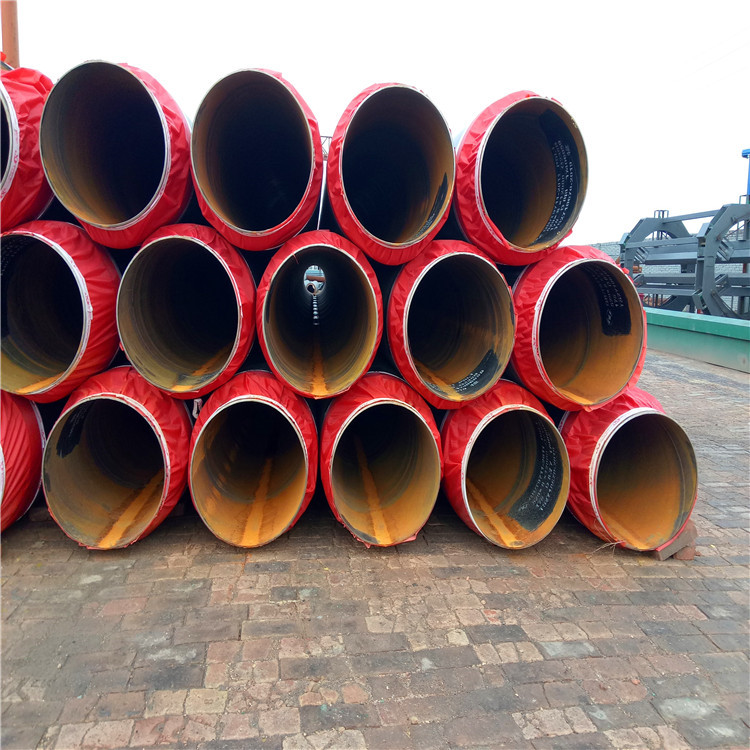
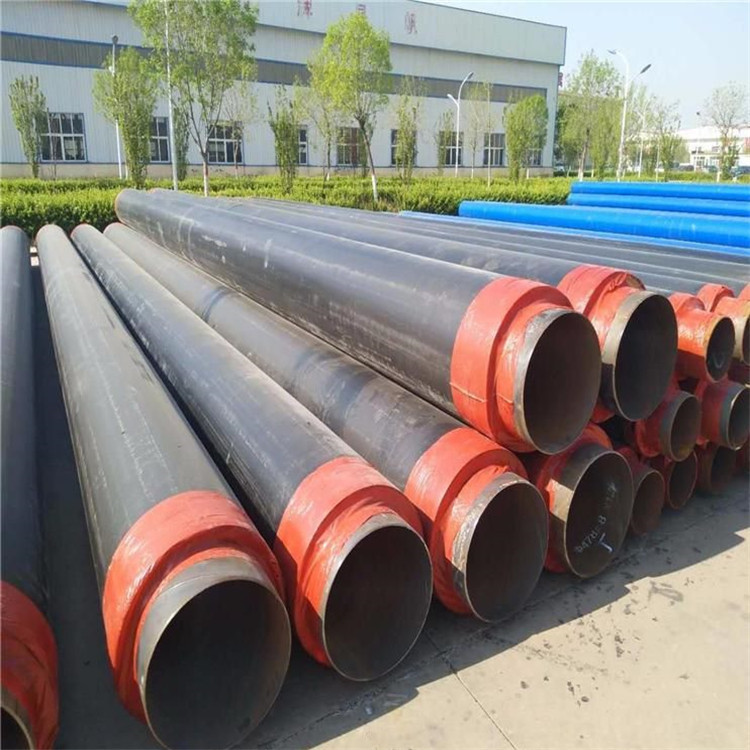
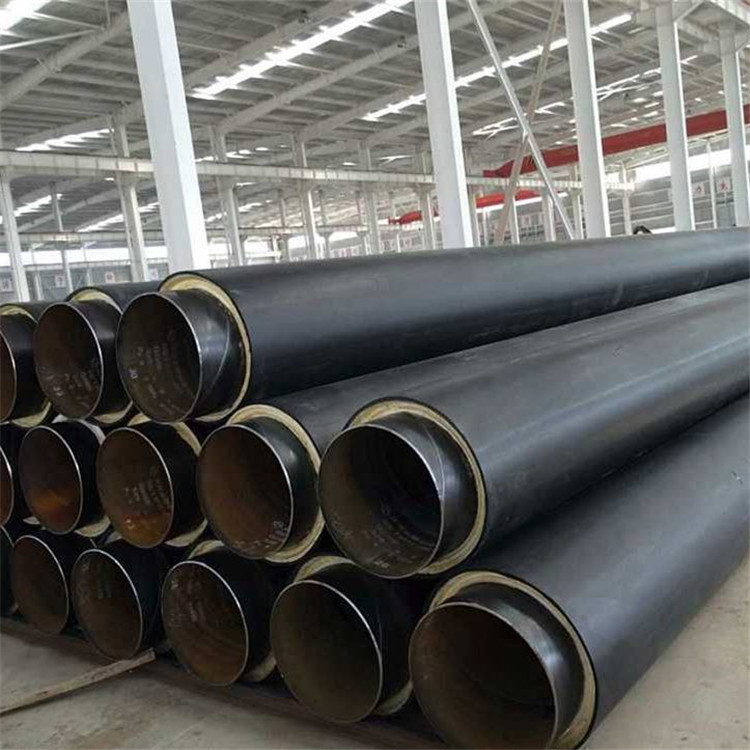
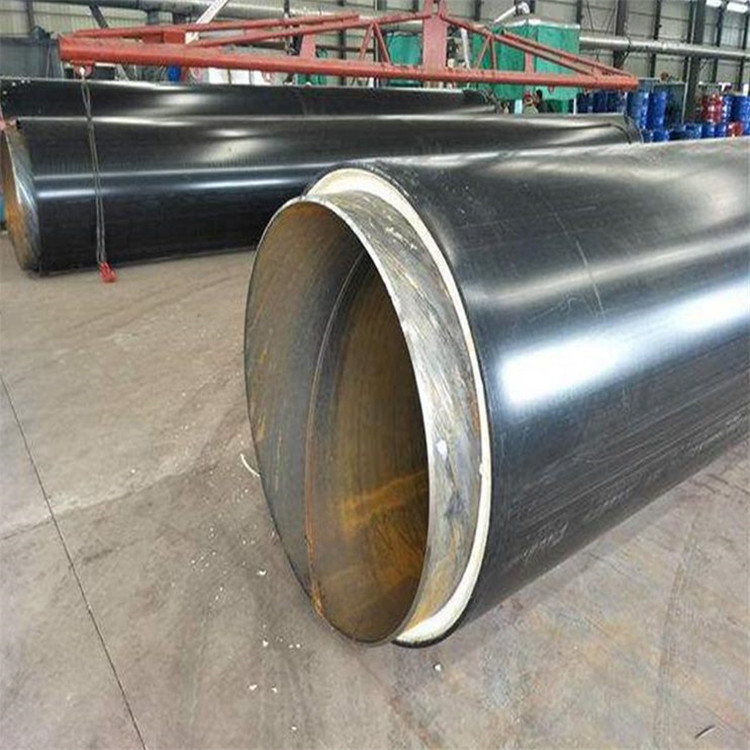
The production process, the one-step process of the polyurethane rigid foam insulation layer and the high-density polyethylene outer protective layer (jacket layer) for external insulation, is called "one-step method". First, the high-density polyethylene outer protective layer is produced, and then the polyurethane rigid foam plastic insulation layer is poured into the gap between the polyethylene outer protective layer and the steel pipe. The production process is what we often call "two-step method" and "one-step method". The production process: steel pipe rust removal -- steel pipe corrosion -- polyurethane foaming -- forming -- finished product detection -- warehousing. Process characteristics: 1. Wide range of materials can be used, and the steel pipe can be protected by epoxy powder and various coatings. 2. foam can use polyester high-temperature foam and asphalt black foam. 3 The jacket layer is bonded to the foam layer, the foam layer is bonded to the anticorrosive coating, and the anticorrosive coating is firmly bonded to the steel pipe. "Two step method" Production process: steel pipe shot blasting rust removal - polyurethane foaming - forming - finished product inspection - prefabricated buried insulation pipe. In addition, the actual buried insulation pipe not only has good insulation effect and low comprehensive cost, but also has a service life of more than 15 years after six years of physical dissection analysis and artificial aging test. The insulation material for trench laying insulation pipe is rock wool or centrifugal cotton, which generally needs to be replaced every 3-5 years under strict construction requirements. In summary, direct buried insulation pipelines have significant advantages in terms of insulation performance, initial investment, construction conditions, maintenance workload, and daily operating costs. The design of the insulation buried pipeline is based on the fact that the highest temperature of the hot water used for air conditioning in this project is 60 ℃ and the lowest temperature is 7 ℃, so the stress borne by the buried pipeline will not be too high. The general material for buried pipelines is seamless steel pipe No. 20 or Q235 pipe. When installed at temperatures above 15 ℃, no measures need to be taken for buried heating pipelines (<100 ℃). The pipeline can be directly buried underground in an uncompensated installation form (without fixed supports or compensators) to achieve safe operation. Therefore, using uncompensated installation for regional cooling and heating (water systems below 100 ℃) will be convenient, safe, and economical.
AfterSalesService :
Key words:- Foam insulated steel pipe
More Products