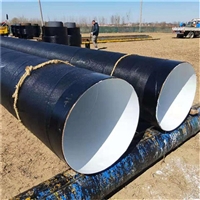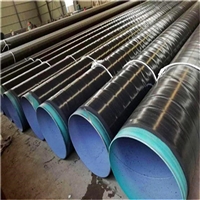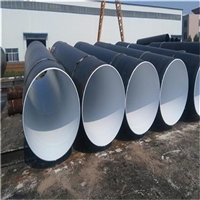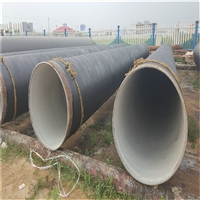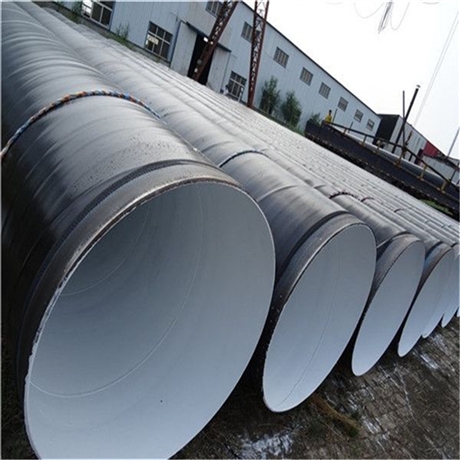



Manufacturer direct sales of large-diameter spiral steel pipe for sewage transportation and anti-corrosion spiral steel pipe
Category:
metallurgy/tubing/Spiral tube
Model:
Brand:
Guanghui
Retail Price
4,260.00USD
重量
kg
- Product Description
-
Description :
Spiral steel pipes should undergo mechanical performance tests, flattening tests, and expansion tests before leaving the factory, and meet the requirements specified in the standards. The quality inspection methods are as follows:
1. On the surface, it can be inferred that it is a visual inspection. The appearance inspection of welded joints is a simple and widely used inspection method, which is an important part of finished product inspection, mainly to discover defects and dimensional deviations on the surface of the weld seam. Generally, inspection is carried out through visual observation, using tools such as standard templates, gauges, and magnifying glasses. If there are defects on the surface of the weld seam, there is a possibility of defects inside the weld seam.
2. The verification of physical methods: The verification method of physics is a method that uses some physical phenomena to determine or verify. The inspection of internal defects in materials or workpieces is generally carried out using non-destructive testing methods. Non destructive testing includes ultrasonic testing, radiographic testing, penetrant testing, magnetic testing, etc.
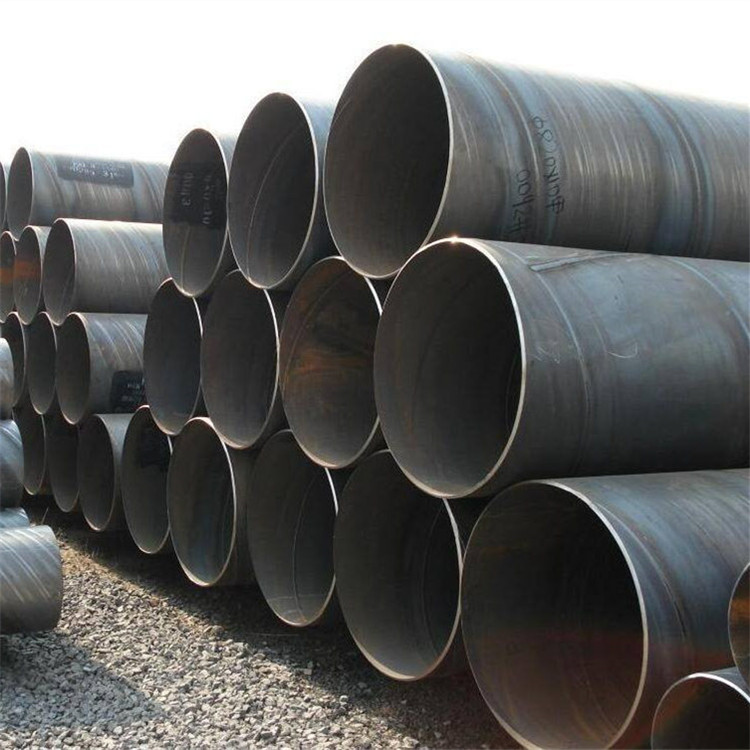


3. Strength testing of pressure vessels: In addition to conducting sealing tests, pressure vessels also need to undergo strength tests. There are two common types: hydrostatic test and pneumatic test. They can all test the weld tightness of containers and pipelines working under pressure. Pneumatic testing is more sensitive and rapid than hydraulic testing, and the tested products do not require drainage treatment, making it particularly suitable for products with difficult drainage. But the danger of testing is greater than that of hydrostatic testing. When conducting experiments, corresponding safety technical measures must be followed to prevent accidents from occurring during the testing process.
4. Tightness inspection: For welded containers storing liquids or gases, non dense defects in the weld seam, such as penetrating cracks, pores, slag inclusions, incomplete penetration, and loose structure, can be discovered through tightness testing. The methods for testing density include kerosene test, water carrying test, water flushing test, etc.
The commonly used standards for spiral steel pipes are generally divided into: SY/T5037 to 2008 (departmental standard, also known as spiral seam submerged arc welded steel pipes for ordinary fluid transport pipelines), GB/T9711 to 2011 PSL1 (national standard, also known as technical delivery conditions for oil and gas industry transport steel pipes - Part 1: Grade A steel pipes API to 5L (American Petroleum Institute, also known as pipeline steel pipes); It is divided into two levels: PSL1 and PSL2, and SY/T5040 to 2008 (spiral welded steel pipes for piles).
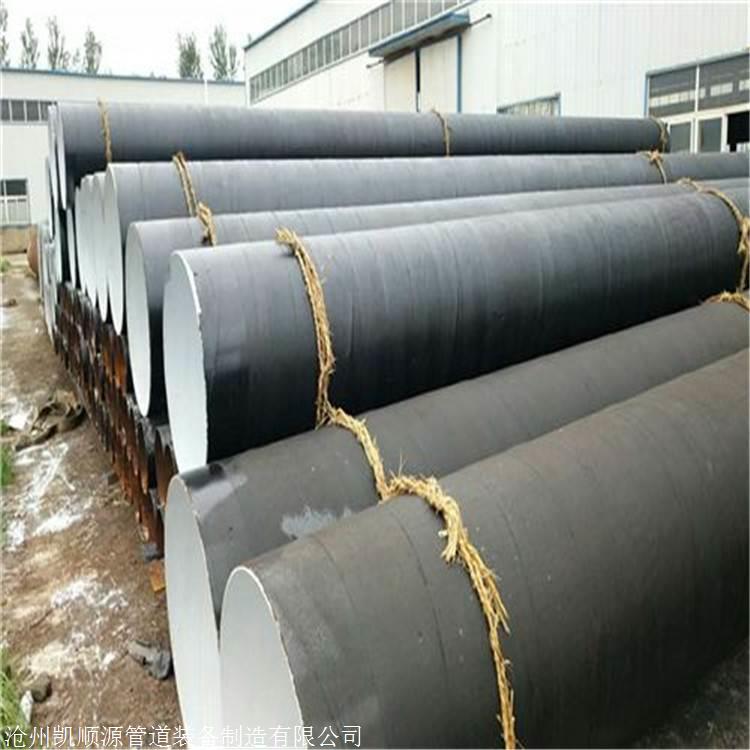

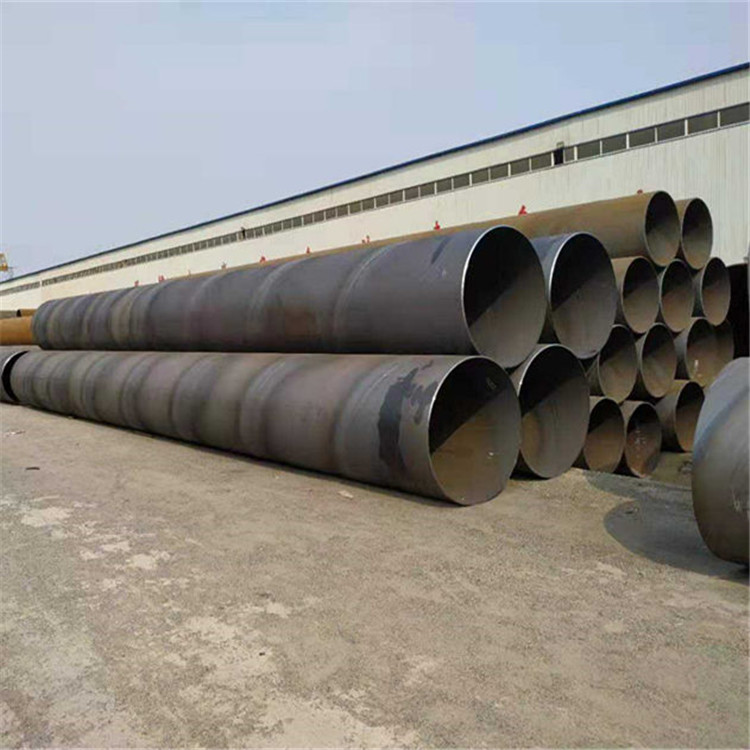
Spiral steel pipes are different from seamless pipes and are easy to understand. In steel pipes, those with a large diameter need to be made into spiral steel pipes, which are made by winding steel strips, and the welds are also spiral shaped. In welded pipes, steel strips with smaller diameters can be used to be jointly completed by a joint pipe making unit (including welding and cutting). The weld seam is a straight seam, and the advantage of thick walled spiral steel pipes is that the strong oxide film on the surface of thick walled steel pipes makes stainless steel have excellent corrosion resistance in all water qualities, including soft water. Even when buried underground, it has excellent corrosion resistance and also has good erosion resistance. The strength of spiral welded pipe is generally higher than that of straight seam welded pipe. It can produce welded pipes with larger diameters using narrower billets, and can also produce welded pipes with different diameters using billets of the same width. However, compared to straight seam pipes of the same length, the weld seam length increases by 30100 and the production speed is lower. Therefore, smaller diameter welded pipes mostly use straight seam welding, while large-diameter welded pipes mostly use spiral welding.
AfterSalesService :
Key words:- Large diameter spiral steel pipe

More Products