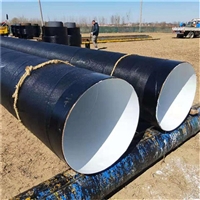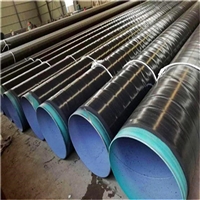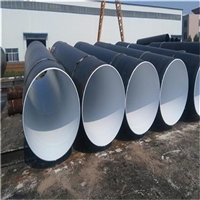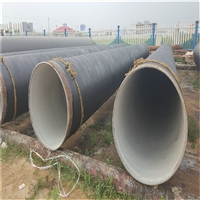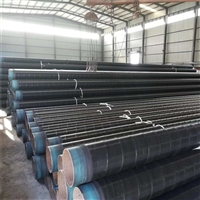
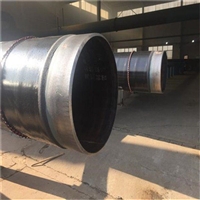
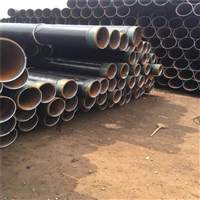
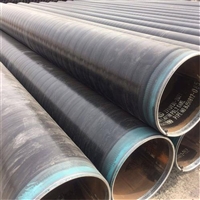


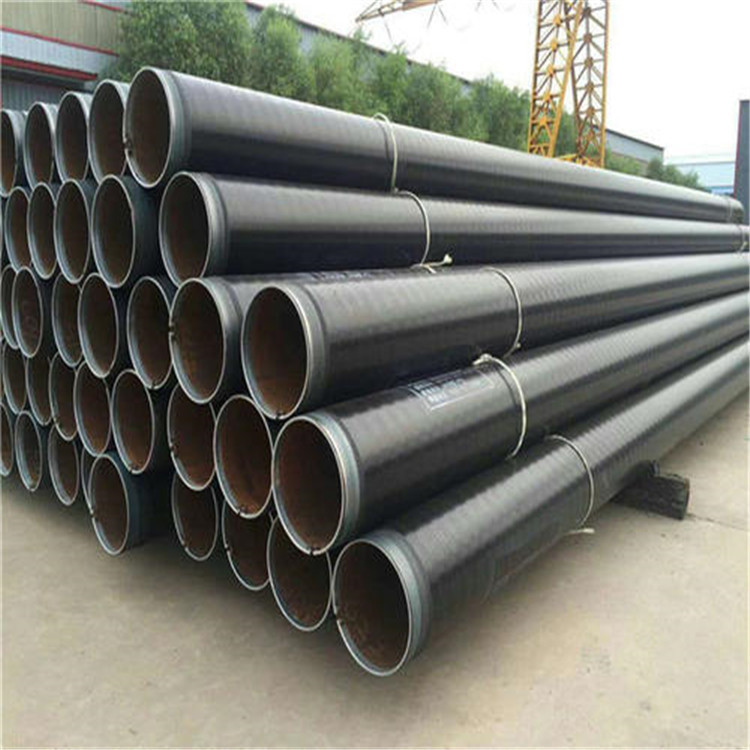
Manufacturer produces polyethylene anti-corrosion steel pipe 3pe anti-corrosion steel pipe Cangzhou Guanghui Pipe Industry
Category:
building materials/Pipe fittings/seamless steel tube
Model:
dn50-1200
Brand:
Guanghui
Retail Price
285.00USD
重量
kg
- Product Description
-
Description :
The 3PE anti-corrosion steel pipe follows the standard, and the processing methods for 3PE anti-corrosion steel pipes are generally divided into two types: winding and circular mold wrapping. The three-layer structure polyethylene anti-corrosion coating (3PE) combines the excellent properties of fusion bonded epoxy powder coating and extruded polyethylene anti-corrosion coating. It combines the interface characteristics and chemical resistance of fusion bonded epoxy powder coating with the mechanical protection characteristics of extruded polyethylene anti-corrosion coating, thereby significantly improving their respective performance. Therefore, as an external protective layer for buried pipelines, it is very superior. According to relevant information, three-layer PE can extend the lifespan of buried pipelines to 50 years, and is currently considered an advanced external anti-corrosion technology for pipelines. We will give a brief explanation of the quality methods for 3PE anti-corrosion steel pipes. This time, we will divide the explanation into two parts. Firstly, as we all know, there are many factors that affect the performance of the 3PE anti-corrosion steel pipe coating, such as the layout of each process, equipment selection, surface quality and heating method, coating temperature, cooling method, transmission accuracy, material characteristics, and testing. Poor control can lead to defects such as weak adhesion, thinness, cracking, or bubbles in the coating. Strictly following standardized and scientific operating methods is crucial for controlling defects and ensuring the yield of anti-corrosion pipes.
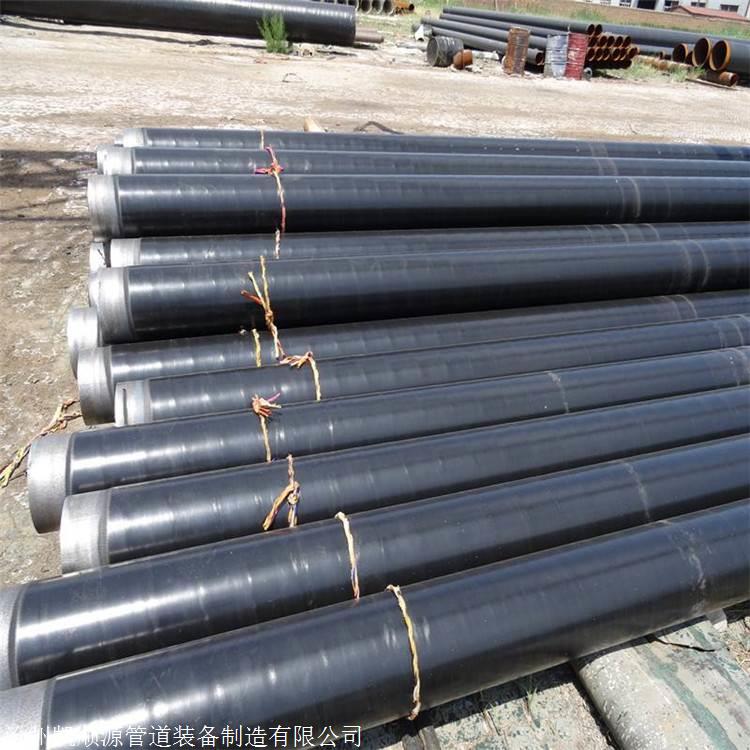
Let's take a look at the quality related methods for 3PE anti-corrosion in China. Among them, a steel pipe external annular cooling device has been announced domestically, which has improved the cooling effect. However, it still cannot fundamentally overcome the quality defects and thinning of weld bead coating caused by external cooling methods. The ideal method for reducing coating thickness and thinning is to cool from the inside of the steel pipe. Polyethylene three-layer structure protective layer, also known as three-layer PE (3PE), is an advanced anti-corrosion technology introduced from abroad in recent years. Its full name is fusion bonded epoxy/extruded polyethylene structural protective layer, which consists of the following three layers: the bottom layer is fusion bonded epoxy (≥ 80 μ m); The middle layer is adhesive (170-250 μ m); The surface layer is extruded polyethylene (about 2mm). The total thickness of the protective layer is about 1.8-3.7mm. In the three-layer structure, the main function of the fusion bonded epoxy powder coating is to form a continuous coating film, which is directly bonded to the surface of the steel pipe and has good chemical corrosion resistance and cathodic stripping resistance; Reacts with the active groups of the intermediate layer adhesive to form a chemical bond, ensuring that the overall anti-corrosion layer has good adhesion at higher temperatures.

The anti-corrosion coating of the brushing type should be applied layer by layer according to the rules, and the coating thickness should be uniform, without any defects such as flow, wrinkles, pinholes, hollowing, etc. Maintenance methods can only be adopted after it is practical; When constructing the anti-corrosion layer of tape type, the construction temperature should be strictly controlled and overheating is prohibited. The composition of steel is uniform, the tonnage of the cold cutting machine is high, and the cutting end face is smooth and neat. However, due to poor material quality, fake and inferior materials often have meat peeling on the cutting end face, which is uneven and lacks metallic luster. A good anti-seepage coating has a good ability to prevent the penetration and corrosion of pipeline surfaces when in contact with highly permeable liquid or gas media; (High mechanical function. The general requirements for welding technology are that the welding rod should be selected well and baked and dried according to regulations. The welding rod used by the welder should be qualified, and the two sides of the weld should be aligned. Before welding, oil, water, rust, and debris should be removed and cleaned. What is the opinion of most people on the storage method of anti-corrosion steel pipes? Do you think it is a very simple and unimportant job? In fact, there are standards for the storage of anti-corrosion steel pipes. The three-layer structure protective layer of polyethylene, also known as three-layer PE (3PE), is an advanced anti-corrosion technology introduced from abroad in recent years.). In the installation and repair of 3pe anti-corrosion steel pipes, it is often necessary to cut the pipes according to the required size. The installation method of the pipeline is determined by the size of the pipe diameter. Large pipes are mostly installed on pipe piers, while small pipes are mostly installed on pipe racks.
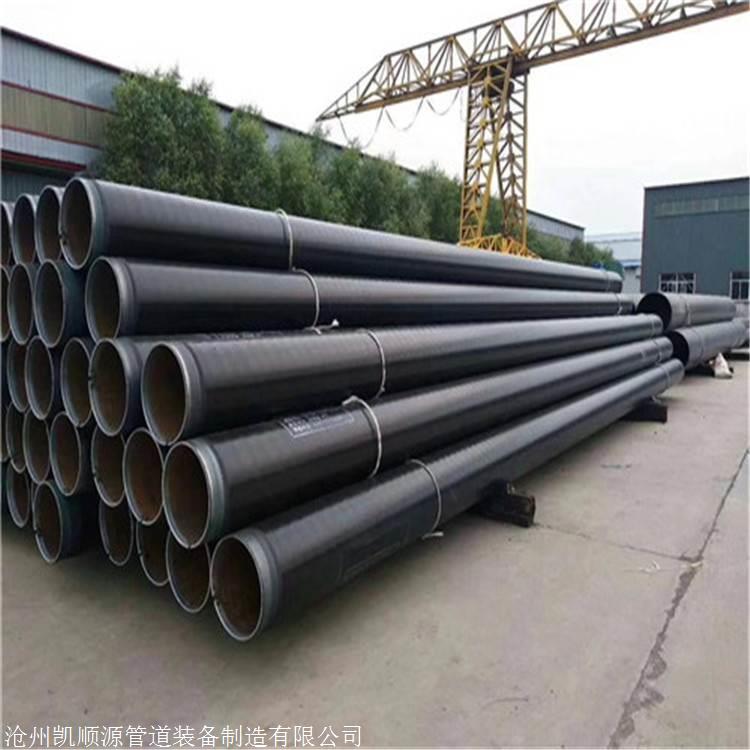
Before performing anti-corrosion treatment on the 3PE anti-corrosion steel pipe base material, it is necessary to inspect and record the steel pipes entering the inlet platform, perform shot blasting and rust removal on the outer surface of the steel pipes, and then check whether the cleanliness and anchor depth of the outer surface of the steel pipes meet the requirements. If they do not meet the requirements, they should be polished and repaired with a hand grinding wheel. The pipe end should be wrapped with adhesive tape, treated with fine dust, heated to the required temperature at medium frequency, sprayed with epoxy powder, wrapped on the side of the adhesive extruder, and burned on the side of the PE extruder. The anti-corrosion pipes should be water-cooled, and qualified products should be marked by spraying. The pipes should be placed on the platform and stacked for shipment. 3PE anti-corrosion steel pipe with three-layer PE anti-corrosion structure: one layer of epoxy powder (FBE>100um), the second layer of adhesive (AD) 170-250um, and the third layer of polyethylene (PE) 2.5-3.7mm. The three materials are integrated and firmly bonded with the steel pipe to form an excellent anti-corrosion layer. The pipe diameter range is between Φ 60 and Φ 1420, and the wall thickness range is between 2.5-18mm. This is a good anti-corrosion method that can generally increase the service life by 50 years. It not only extends the replacement cycle of underground pipeline equipment, but also greatly saves costs, providing a strong role in construction! Polyethylene three-layer structure protective layer, also known as three-layer PE (3PE), is an advanced anti-corrosion technology introduced from abroad in recent years. Its full name is fusion bonded epoxy/extruded polyethylene structural protective layer, which consists of the following three layers: the bottom layer is fusion bonded epoxy (≥ 80 μ m); The middle layer is adhesive (170-250 μ m); The surface layer is extruded polyethylene (about 2mm). The total thickness of the protective layer is about 1.8-3.7mm.
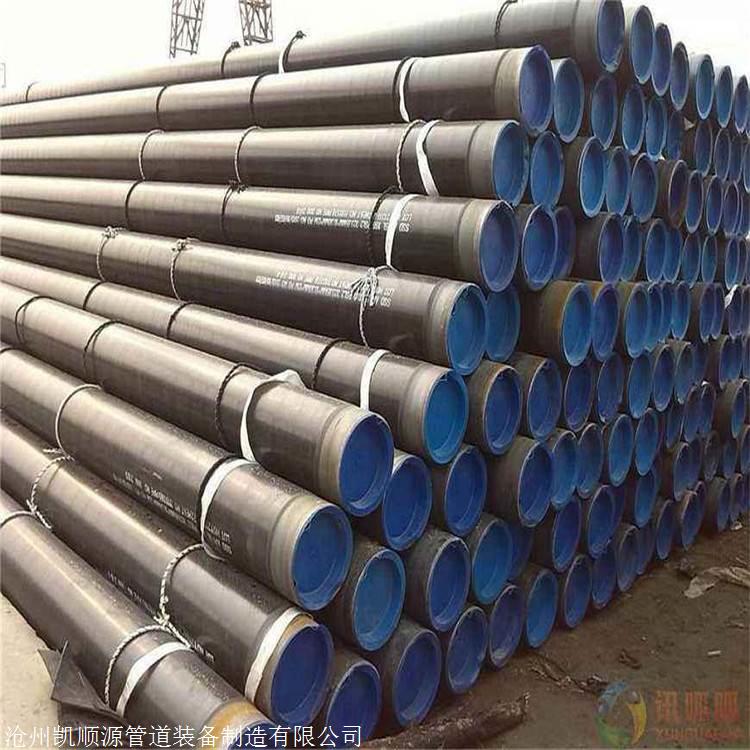
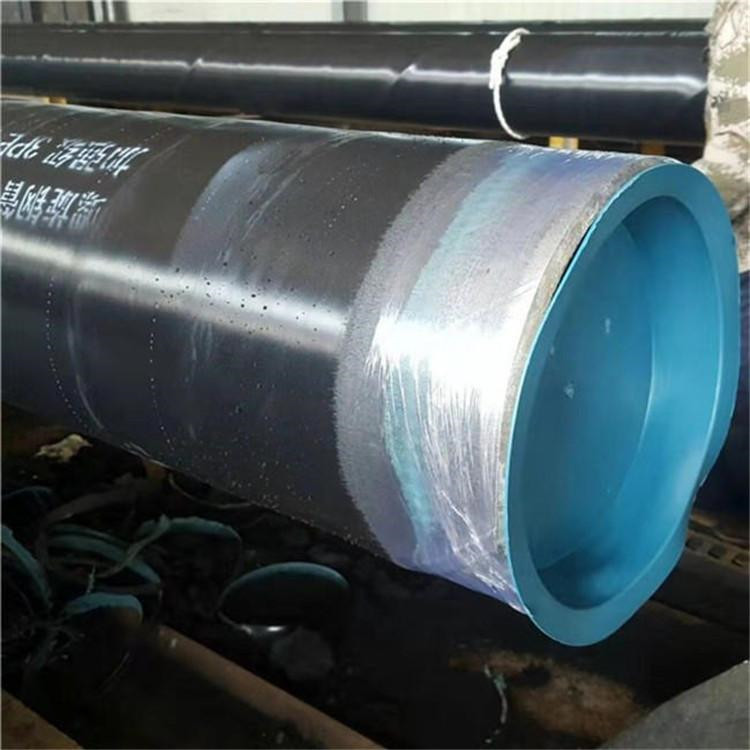
In the three-layer structure, the main function of the fusion bonded epoxy powder coating is to form a continuous coating film, directly bond with the surface of the steel pipe, and have good chemical corrosion resistance and cathodic stripping resistance; Reacts with the active groups of the intermediate layer adhesive to form a chemical bond, ensuring that the overall anti-corrosion layer has good adhesion at higher temperatures. 3PE anti-corrosion steel pipe is a type of pipeline (steel pipe) used in different working environments. In order to slow down or prevent the pipeline from being eroded and deteriorated by the chemical and electrochemical action of the external medium or the metabolic activity of microorganisms, 2 or 3 layers of polyethylene (3PE) are coated on its outer wall to achieve pipeline anti-corrosion. In the three-layer structure, the main function of the fusion bonded epoxy powder coating is to form a continuous coating, directly bond with the surface of the steel pipe, and have good chemical corrosion resistance and cathodic stripping resistance; Reacts with the active groups of the intermediate layer adhesive to form a chemical bond, ensuring that the overall anti-corrosion layer has good adhesion at higher temperatures. The intermediate layer is usually a copolymer adhesive, which is mainly composed of polyolefin. Currently, ethylene based copolymer adhesives are widely used. The polar functional groups of the copolymer adhesive can react with the epoxy groups of the fusion bonded epoxy powder coating to form hydrogen bonds or chemical bonds, forming a good bond between the intermediate layer and the bottom layer; The non-polar ethylene portion has a good affinity with the surface layer polyethylene, so the intermediate layer also has good bonding performance with the surface layer. The main function of polyethylene surface layer is to provide mechanical protection and anti-corrosion, which is the same as the traditional two-layer structure polyethylene anti-corrosion layer. 3PE anti-corrosion steel pipes have extremely high sealing performance, and long-term operation can greatly save energy, reduce costs, and protect the environment. Analysis and Introduction of the Advantages of 3PE Anti Corrosion Steel Pipe: It has strong corrosion resistance, quick construction, and a service life of up to 30-50 years. PE also has good corrosion and impact resistance under low temperature conditions, with low water absorption rate (less than 0.01%). Simultaneously possessing high epoxy strength, low water absorption of PE, and good flexibility of hot melt adhesive, it has high anti-corrosion reliability and is widely used in the petroleum pipeline industry.



AfterSalesService :
Key words:- Polyethylene anti-corrosion steel pipe

More Products