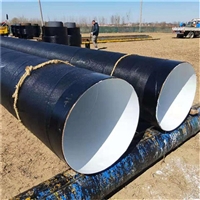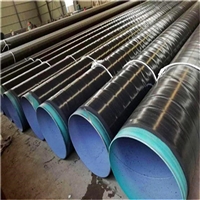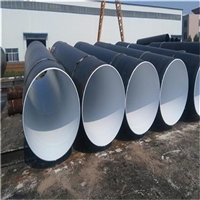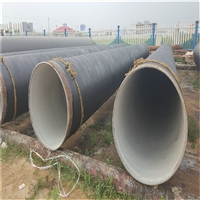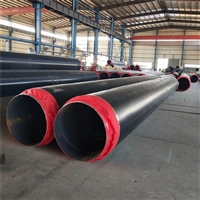
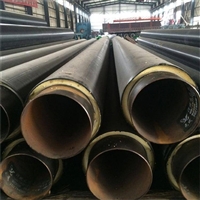
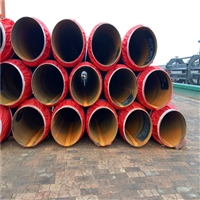
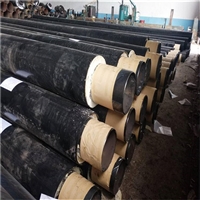
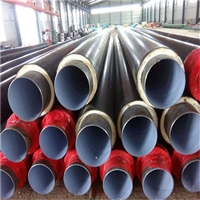
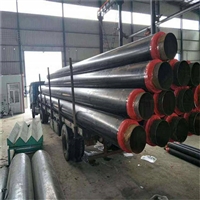

Prefabricated direct buried hot water insulation pipe polyurethane prefabricated heating insulation pipe manufacturer
Category:
building materials/Pipe fittings/seamless steel tube
Model:
dn20-1200
Brand:
Guanghui
Retail Price
366.00USD
重量
kg
- Product Description
-
Description :
Performance of polyurethane prefabricated buried insulation pipe:
1. Polyurethane prefabricated buried insulation pipes have good mechanical and thermal insulation properties, and can generally withstand high temperatures up to 120 ° C. By modifying or combining with other insulation materials, they can withstand high temperatures up to 180 ° C. They are suitable for insulation projects of various cold, hot, and low-temperature pipelines.
2. Polyurethane prefabricated directly buried insulation pipe, also known as "pipe in pipe", is composed of "two-step method", which is composed of high-density polyethylene outer protective layer, polyurethane rigid foam plastic insulation material and steel pipe. The insulation layer is made of rigid polyurethane foam with a density of 60kg/m3 to 80kg/m3, which can fully fill the gap between the steel pipe and the casing, and has a certain bonding strength, so that the steel pipe, the casing and the insulation layer form a solid whole.
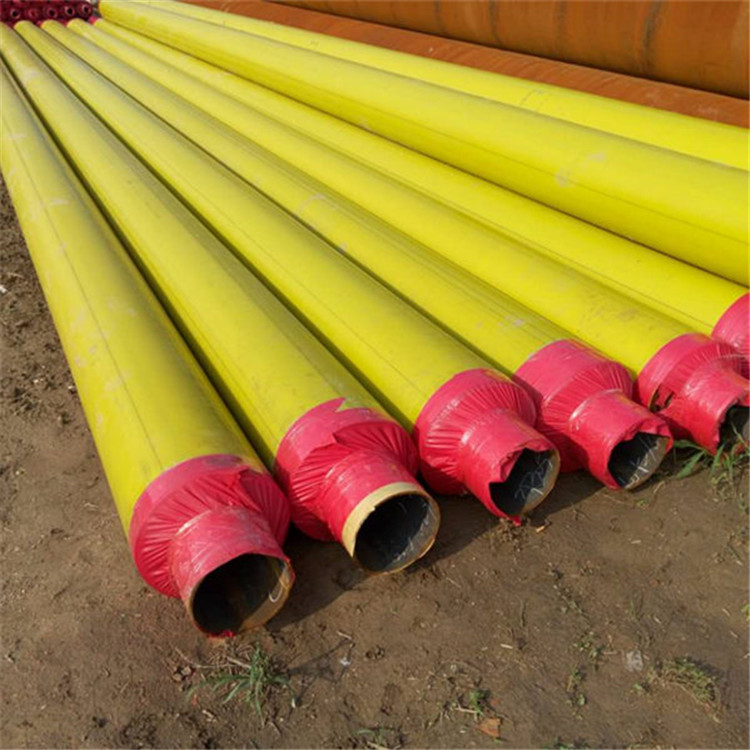

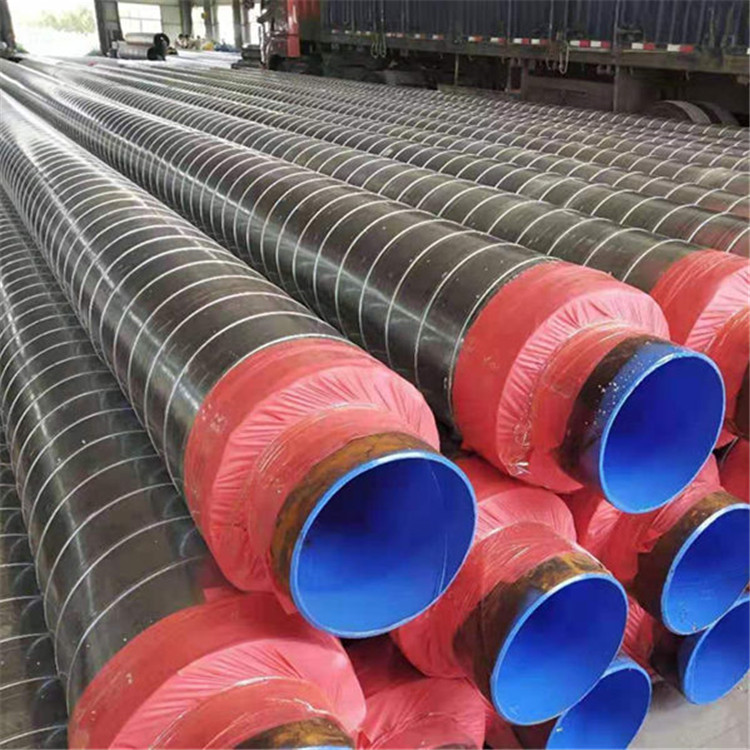
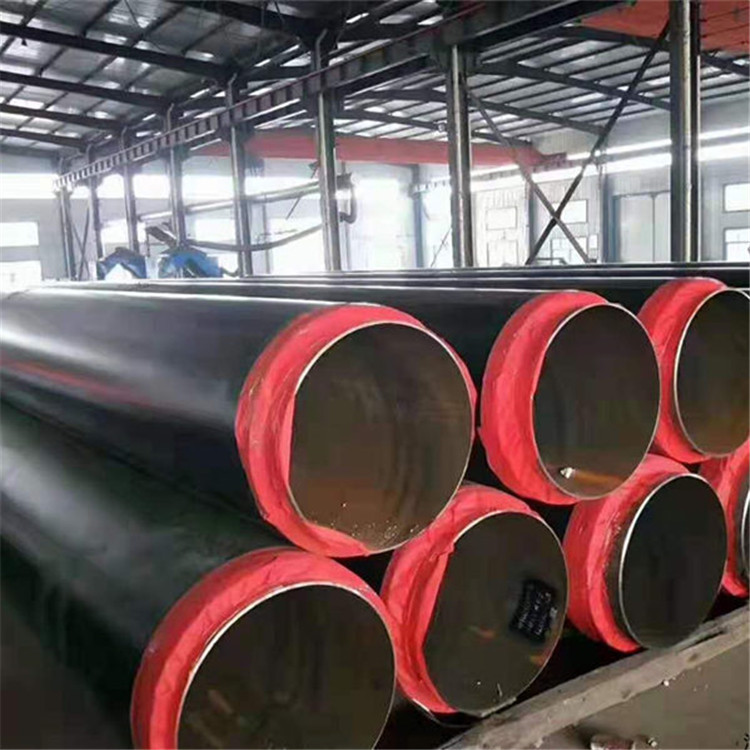
Polyurethane prefabricated buried insulation pipe structure:
The structure of polyurethane prefabricated buried insulation pipe is divided into three layers from inside to outside. The inner layer is the working core pipe for conveying the medium. The core pipe is generally made of seamless pipe (GB8163-87), spiral welded pipe (GB9711-88; SY/T5038-92), straight seam welded pipe (GB3092-93), galvanized steel pipe and PPR, etc., and the core pipe diameter is selected according to different user requirements. The diameter of the core pipe is φ 22, 25, 32, 38, 45, 57, 76, 89, 108, 133, 159, 219, 273, 325, 377, 426, 478, 529, 630, 720, 820, 920, 1220; The thermal insulation layer is made of polyurethane foam plastic or composite thermal insulation material, with a thickness of 30-150mm; the outer protective layer is made of high-density polyethylene jacket pipe, glass fiber reinforced plastic winding pipe and anti-corrosion steel pipe. 0
Advantages of polyurethane prefabricated buried insulation pipe:
1. Polyurethane prefabricated buried insulation pipes have good insulation performance, with heat loss only 25% of traditional pipes. Long term operation can save energy and reduce energy costs.
2. It has strong waterproof and corrosion-resistant capabilities, does not require a pipe trench, can be directly buried underground or in water, is easy and fast to construct, and has a low overall cost.
3. It also has good corrosion resistance and impact resistance under low temperature conditions, and can be directly buried in frozen soil underground.
4. The service life can reach 30-50 years, and correct installation and use can reduce the maintenance cost of the pipeline network.
5. An alarm system can be set up to automatically detect pipeline leakage faults, accurately indicate the fault location, and automatically sound an alarm.
6. The service life can reach 30-50 years. Pipe diameter: DN15-DN600, used for centralized heating pipelines, refrigeration pipelines, industrial pipelines, etc.
7. Oxygen index: 27 Density: 40-70kg/cubic meter Hydrophobicity: cubic centimeter Thermal conductivity


Precautions for prefabricated buried insulation pipe joints
1. It is essential to truly understand the two types of direct burial methods for heating pipelines: compensated direct burial and uncompensated direct burial. It is necessary to grasp the working principles, characteristics, and application scenarios of each method, in order to make reasonable choices in design, safe, reliable, and economical construction.
2. After entering the site, conduct a careful inspection. Before construction, it is necessary to conduct research on the polyurethane manufacturers and refuse to use any unqualified insulation pipes.
In the construction of prefabricated buried pipelines, welding polyurethane insulation pipes is a key task to ensure project quality.
4. When the conditions are met, it is necessary to pay attention to the use of polyurethane insulation pipes. Firstly, water and exhaust the air, and then do it in two steps: stabilize the pressure for 10 minutes without any leakage. Strength test: Raise the pressure inside the pipeline to 1.5 times the working pressure; Use a 1kg small hammer to knock and inspect the welds one by one around the weld seam. Conduct a tightness test: when the pressure inside the pipe is reduced to the working pressure, if there is no leakage for 30 minutes and the pressure drop does not exceed 0.2 atmospheres, it is considered qualified; Pressure test records should be kept in accordance with regulatory requirements.
5. As polyurethane insulation pipes are buried underground, the project acceptance must be careful. If the completion acceptance is not careful and the completion data is not detailed, it will affect future use.
6. The joint and backfill soil should be tested for pressure in the pipeline. Completion measurement and cleaning can only be carried out after completion, and it is necessary to backfill the specified thickness of sand according to the construction characteristics of polyurethane insulation pipes. Do not cut corners or use inferior materials.
7. The on-site joint insulation of polyurethane insulation pipes must be carried out after passing the pressure test, and the on-site joint insulation construction can only be carried out. This content is unique to the construction of polyurethane insulation pipelines, and the quality of construction directly affects the service life.
AfterSalesService :
Key words:- Directly buried hot water insulation pipe
More Products