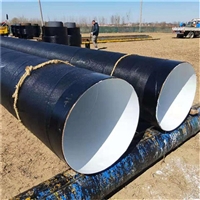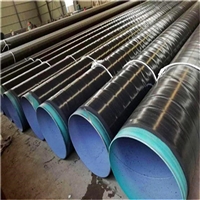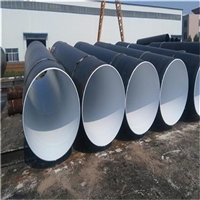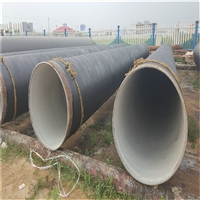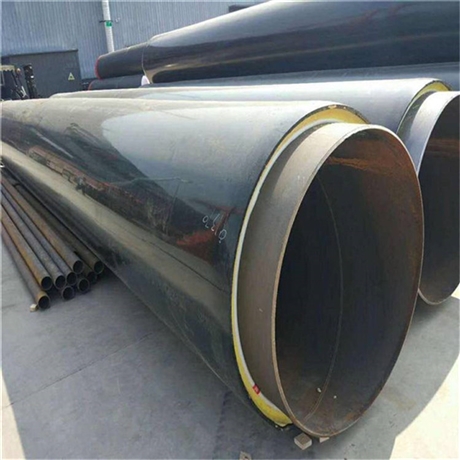

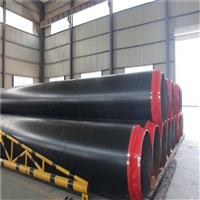
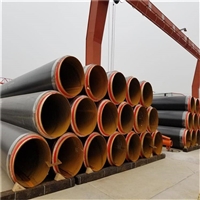
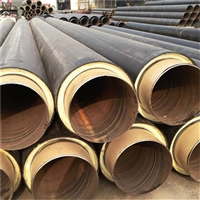
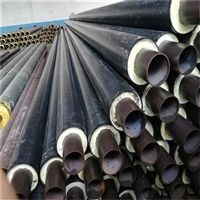
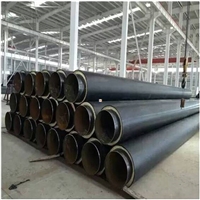
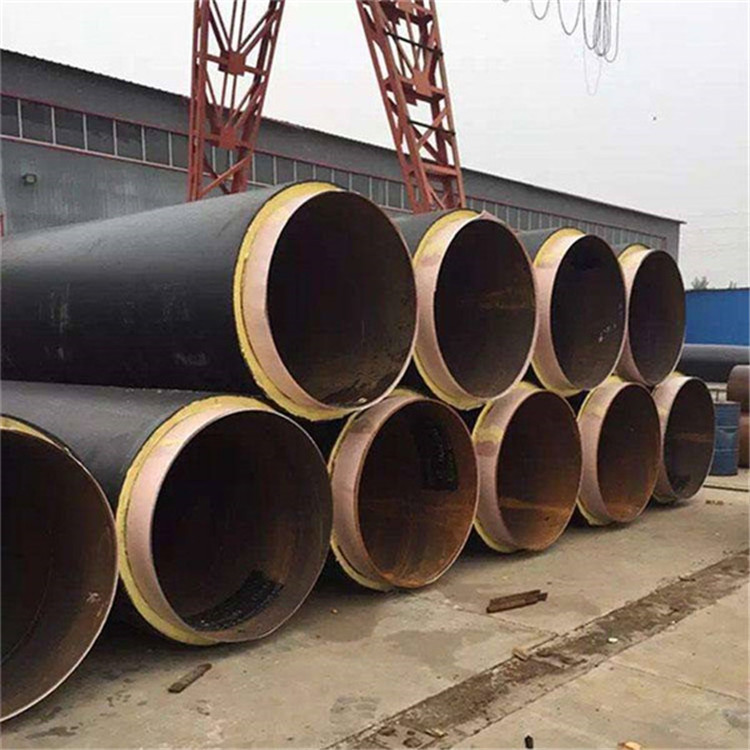
Spot supply of polyurethane insulation pipe prefabricated direct buried insulation pipe manufacturer
Category:
metallurgy/tubing/Spiral tube
Model:
Brand:
Guanghui
Retail Price
245.00USD
重量
kg
- Product Description
-
Description :
Polyurethane insulation pipes are widely used in liquid and gas transportation pipelines, chemical pipeline insulation engineering, petroleum, chemical, central heating, air conditioning and ventilation pipelines, and municipal engineering Polyurethane insulation pipe is composed of high-density polyethylene outer protective layer, polyurethane rigid foam plastic pipe and steel pipe. The insulation layer is made of rigid polyurethane foam with a density of 60kg/m3 to 80kg/m3, which can fully fill the gap between the steel pipe and the casing, and has a certain bonding strength, so that the steel pipe, the casing and the insulation layer form a solid whole. The polyurethane insulation pipe foam has good mechanical properties and thermal insulation properties. Generally, it can withstand temperature of 120, and can withstand temperature of 180 through modification or combination with other insulation materials.

Polyurethane insulation pipe mainly consists of four parts
(1) Working steel pipes: According to the technical requirements of the conveying medium, seamless steel pipes, double-sided submerged arc spiral welded steel pipes are used.
(2) Thermal insulation layer: rigid polyurethane foam.
(3) Protective shell: Made of high-density polyethylene or fiberglass.
(4) Leakage alarm line: When manufacturing high-temperature prefabricated buried insulation pipes, an alarm line is buried in the insulation layer near the steel pipe. Once a leakage occurs in a certain part of the pipeline, through the conduction of the line, an alarm can be triggered on a dedicated detection instrument to display the accurate location and degree of the leakage, so as to notify maintenance personnel to quickly deal with the leaking pipe section and ensure the safe operation of the heating network.

Polyurethane insulation pipe - advantageous features
1. Reduce project costs.
According to relevant departments' calculations, double pipe heating pipelines can generally reduce project costs by about 25% (using fiberglass as a protective layer) and 10% (using high-density polyethylene as a protective layer).
2. Low heat loss, energy-saving.
Its thermal conductivity is λ=0.013, much lower than other commonly used pipeline insulation materials in the past, and the insulation effect is improved by 49 times. Moreover, its water absorption is very low, about 0.2 kg/m2. The reason for the low water absorption is that the closed cell ratio of polyurethane foam is up to 92%. Low thermal conductivity and low water absorption, combined with insulation layer and high-density polyethylene or fiberglass protective shell with good waterproof performance, have changed the traditional situation of "wet cotton jacket" for laying heating pipelines in underground trenches, greatly reducing the overall heat loss of heating pipelines, with a heat loss of 2% in the heating network.
3. Anti corrosion, good insulation performance, and long service life.
The high-temperature prefabricated directly buried insulation pipe can play a good anti-corrosion role because the polyurethane rigid foam insulation layer is tightly bonded to the steel pipe skin, which can isolate the infiltration of air and water. At the same time, its foam pores are all closed, and its water absorption is very low. The high-density polyethylene shell and fiberglass shell both have good anti-corrosion, insulation, and mechanical properties. Therefore, the outer skin of the working steel pipe is difficult to be eroded by external air and water. As long as the water quality inside the pipeline is well treated, according to foreign data, the service life of high-temperature prefabricated buried insulation pipes can reach more than 50 years, which is 34 times longer than the service life of traditional trench laying and overhead laying.
4. Less land occupation and faster construction.
Directly buried heating pipelines do not require the construction of large trenches, only the insulation pipes need to be buried underground, thus greatly reducing project land occupation, reducing excavation volume by more than 50%, and reducing civil engineering masonry and concrete volume by 90%. At the same time, the processing of insulation pipes and on-site trenching are carried out in parallel, and only on-site joints are required, which can shorten the construction period by more than 50%.
5. Safe.
Leakage alarm lines can be installed according to customer requirements. Once a leak occurs in a certain part of the pipeline, the accurate location and degree of leakage of the insulation pipeline can be displayed on a dedicated detection instrument through the transmission of the alarm line, so as to notify the leak detection personnel to quickly deal with the leaking pipe section and ensure the safe operation of the heating pipeline network. Now we can also independently produce buried insulation pipes with warning lines, filling the gap of the previous lack of warning systems.

Stacking and storage of pipes
1. The storage site for pipes should be flat, free of debris, stagnant water, and have sufficient bearing capacity.
2. The pipes should be placed 2 meters away from the heat source and equipped with fire-fighting facilities.
3. Pipe materials must be stacked with pipe pillows; The width of the pipe pillow should be greater than 150mm, and the height should be greater than 100mm. When storing pipes of the same type, they should be placed together, and 12m long pipes should be placed in whole pieces layer by layer from the ground. Short term stacking of each layer may not require the placement of whole blocks, but the height must not exceed 1.5m.
4. During the storage period of the pipes; Both ends of the steel pipe should be sealed, and when stored outdoors, it should be covered with felt cloth. Sun exposure and rain are prohibited.
5. When lifting pipes, a sling with a width greater than 50mm should be used for lifting.
6. During loading and unloading, it should be handled steadily and gently to prevent collisions.
7. When unloading, vertical lifting should be used for vehicle transportation, and forklifts and loaders can be used for container transportation. Lifting is strictly prohibited from using iron tools to pry or steel wire ropes to directly cover the pipe.


AfterSalesService :
Key words:- Polyurethane insulation pipe
More Products