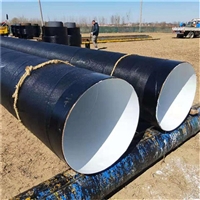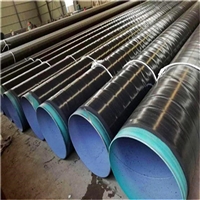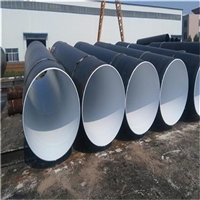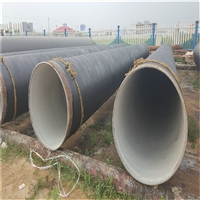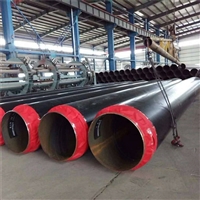
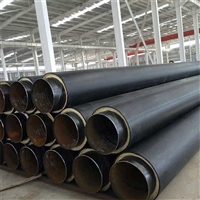

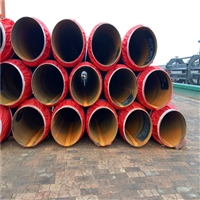
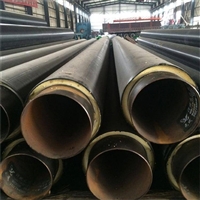
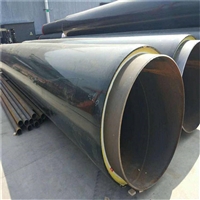
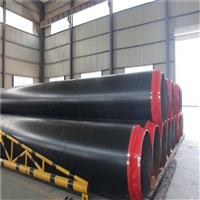
Rigid foam polyurethane insulation pipe prefabricated foam insulation pipe manufacturer
Category:
metallurgy/tubing/Spiral tube
Model:
Brand:
Guanghui
Retail Price
465.00USD
重量
kg
- Product Description
-
Description :
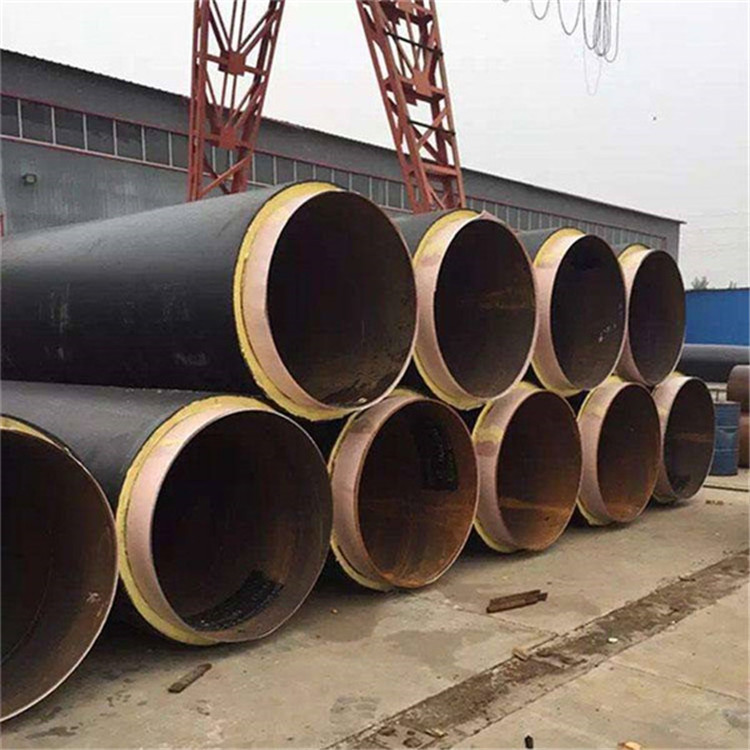
Structure of polyurethane foam insulation pipe:
Inner layer: working steel pipe layer
According to the design and customer requirements, seamless pipes (GB8163-87), spiral welded pipes (GB9711-88; SY/T5038-92), and straight seam welded pipes (GB3092-93) are generally selected. After advanced shot blasting and rust removal process, the rust removal grade of the steel pipe can reach Sa2 level in GB8923-1988 standard, and the surface roughness can reach R=12.5 microns in GB6060.5-88 standard.
Middle layer: polyurethane insulation layer
It is made by injecting the original liquid of rigid polyurethane foam into the cavity formed between the steel pipe and the outer protective layer with a high-pressure foaming machine. It is commonly known as the "pipe in pipe foaming process". Its functions include waterproofing, insulation, and supporting the self weight of the heating network. When the temperature of the conveying medium is -50120, rigid polyurethane foam is selected as the insulation layer.
Outer layer: high-density polyethylene protective layer
Prefabricated black (yellow) plastic pipes with a certain wall thickness are used to protect the polyurethane insulation layer from mechanical damage and to prevent corrosion and waterproofing.

Construction:
Applying the polyurethane foam insulation layer onto the anti-corrosion layer of the steel pipe using on-site pouring or prefabricated molding methods is simple and efficient.
Low thermal conductivity:
The thermal conductivity of polyurethane foam is lower in thermal insulation materials, so it can reduce the heat loss of materials to a lower limit.
Waterproof, anti-corrosion, and anti-aging:
As the closed cell rate of polyurethane foam is more than 92, polyurethane foam can not only be used as the thermal insulation layer of directly buried pipelines, but also effectively prevent water, moisture and other corrosive liquids and gases from penetrating, preventing the growth and development of microorganisms.

Application
Suitable for insulation and cooling engineering of various media transported within the range of -50150. It is widely used in insulation and cooling projects for urban centralized heating, warm rooms, cold storage, coal mines, oil ports, chemical industries, and other industries.
Performance and Parameters:
Technical Performance Unit Technical
Capacity Kg/m3 45-60
Thermal conductivity W/m.k 0.016-0.024
Operating temperature ℃ -90-+120
Closed pore rate% ≥ 97
Water absorption rate Kg/m2 ≤ 0.2
Oxygen index h ≥ 26
Compressive strength Mpa ≥ 200

Advantages of polyurethane foam insulation pipe:
1. Reduce project costs.
According to relevant departments' calculations, double pipe heating pipelines can generally reduce project costs by about 25% (using fiberglass as a protective layer) and 10% (using high-density polyethylene as a protective layer).
Low heat loss and energy conservation.
Its thermal conductivity is λ=0.0130.03kcal, which is much lower than other commonly used pipeline insulation materials in the past, and the insulation effect is improved by 49 times. Moreover, its water absorption rate is very low, about 0.2kg/m2. The reason of low water absorption is that the closed cell ratio of polyurethane foam is up to 92. Low thermal conductivity and low water absorption, combined with insulation layer and high-density polyethylene or fiberglass protective shell with good waterproof performance on the outside, have changed the traditional situation of "wet cotton jacket" for laying heating pipelines in underground trenches, reducing the overall heat loss of heating pipelines and reducing the heat loss of the heating network to 2.
3. Anti corrosion, good insulation performance, and long service life.
As the polyurethane rigid foam insulation layer is closely bonded to the outer skin of the steel pipe, it can isolate the infiltration of air and water and play a good anti-corrosion role. At the same time, its foam pores are all closed, and its water absorption is very low. The high-density polyethylene shell and fiberglass shell both have good anti-corrosion, insulation, and mechanical properties. Therefore, the outer skin of the working steel pipe is difficult to be eroded by external air and water. As long as the water quality inside the pipeline is well treated, its service life can reach more than 50 years, which is 34 times longer than traditional trench laying and overhead laying.
4. Pipeline insulation. Less land occupation, faster construction, and favorable environmental protection.
Directly buried heating pipelines do not require the construction of large trenches for insulation, only the insulation pipes need to be buried underground, thus reducing project land occupation, reducing excavation volume by about 50%, and reducing civil engineering masonry and concrete volume by 90%. At the same time, the processing of insulation pipes and on-site trenching are carried out in parallel, and only on-site joints are required, which can shorten the construction period by about 50% or more.



AfterSalesService :
Key words:- Polyurethane insulation pipe
More Products