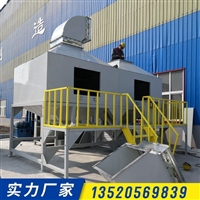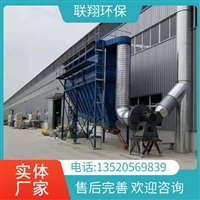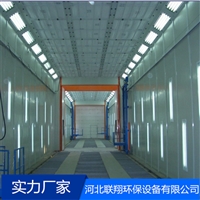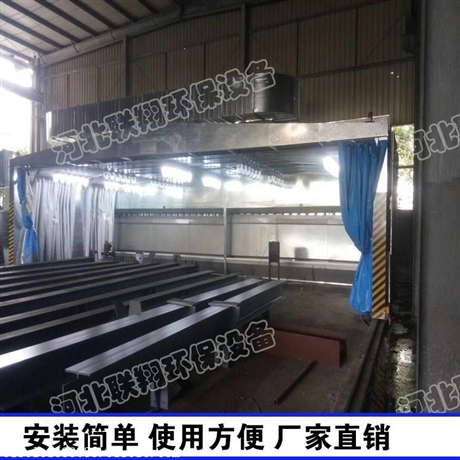

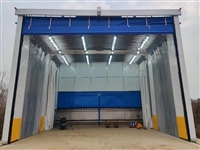
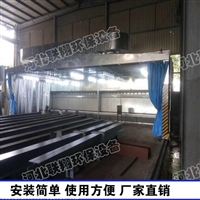


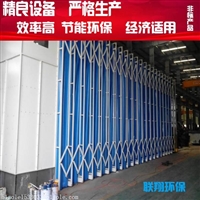

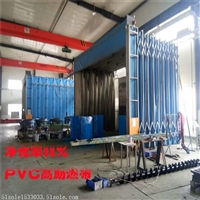
Appreciation of Design Drawings for Chongqing Furniture Mobile Telescopic Spray Painting Room and Paint Baking Room
Category:
mechanical equipment/coating equipment /Spray painting and baking room
Model:
LX
Brand:
other
Retail Price
18,000.00USD
重量
kg
- Product Description
-
Description :
 Appreciation of Design Drawings for Chongqing Furniture Paint Room and Application Fields of Telescopic Mobile Paint Room: The main source of organic waste gas is the waste gas emitted during the production process of the petroleum and chemical industries. Its characteristics include large quantities, volatile organic content, flammability, certain toxicity, and some foul odors. The emission of chlorofluorocarbons can also cause damage to the ozone layer. Petroleum and chemical engineering, as well as storage facilities for honest products, printing and other industries related to petroleum and chemical industry, occasions and combustion equipment using petroleum and petrochemical products, and various transportation vehicles using petroleum products as fuel are all sources of organic waste gas. There are two main methods for treating organic waste gas: one is the recovery method, which mainly uses physical methods such as selective adsorbents and selective permeation membranes to separate volatile organic compounds at a certain temperature and pressure, including activated carbon adsorption, pressure swing adsorption, condensation, and biofilm method; The second method is elimination, mainly through chemical or biological reactions, using light, heat, catalysts, and microorganisms to convert organic matter into water and carbon dioxide, mainly including thermal oxidation, emerald combustion, biological oxidation, corona plasma decomposition, photocatalytic decomposition, etc. (1) The main purification method for low concentration gas pollutants in China using activated carbon adsorption is adsorption. Commonly used adsorbents include porous carbon materials, honeycomb shaped activated carbon, spherical activated carbon, activated carbon fibers, new activated carbon, as well as molecular sieves, zeolites, porous clay ores, activated alumina, and silica gel. Activated carbon is mostly in powder or granular form and cannot be directly used in various purification equipment in most cases. It must have a certain shape and supporting strength before it can be used. After special processing, activated carbon can generate a rich microporous structure. These invisible micropores can rely on molecular force to adsorb various harmful gases and liquid molecules, thus achieving the purpose of purification. However, activated carbon adsorbent is a type of adsorbent that is not resistant to high temperatures and cannot maintain good adsorption capacity under humid conditions; Flammable, quickly reaching saturation adsorption and losing effectiveness, the adsorbent needs to be replaced regularly; Secondly, adsorption methods can generate secondary solid and liquid pollutants. (2) Catalytic combustion method replaces traditional flame combustion with catalytic combustion, reducing combustion temperature and improving energy utilization efficiency. In addition, the heat flow generated by catalytic combustion has a moderate temperature and does not require dilution with cooling air, thereby improving thermal efficiency. However, catalytic combustion method also has its shortcomings. Some gases require harsh combustion conditions, such as high temperature, high altitude, and high water vapor partial pressure. Therefore, catalysts must have high activity, high thermal stability, high hydrothermal stability, and certain anti poisoning ability. However, the activity and stability of catalysts are usually contradictory, and this method also requires high mechanical strength, such as resistance to erosion and thermal shock. (3) The biofilm method follows the traditional biofilm theory,
The biological treatment of organic waste gas generally involves the following steps: a. Organic pollution in the waste gas first comes into contact with water and dissolves in it; b、 The organic pollutant components dissolved in the liquid film are further diffused into the biofilm by the concentration difference, and then captured and absorbed by microorganisms; c、 Microorganisms use organic matter as an energy or carbon source for growth and metabolism, thereby decomposing it into simple and non-toxic inorganic substances and low toxicity organic substances; d、 A portion of biological metabolites return to the liquid phase, while a portion of gaseous substances detach from the biofilm and diffuse into the atmosphere. According to this theory, the rate at which biofilms purify organic gases depends on the diffusion rate of organic matter in the gas and liquid phases, as well as the rate of biochemical reactions. The biofilm method has the advantages of simple equipment, low investment, low operating costs, and no secondary pollution. However, it also has the disadvantages of large reaction device area and long reaction time. (4) Advanced oxidation method refers to the process of generating OH? And the series of OH? Chain reactions induced by the generated OH?, attacking various pollutants and microorganisms until they are degraded into CO2, H2O, and inorganic salts, achieving zero environmental pollution and zero pollution emissions. Advanced oxidation methods have been developed on the basis of continuously improving the efficiency of OH? Production and application. In industrial organic gas purification treatment, whether it is widely used traditional treatment methods or newly developed treatment technologies, the effectiveness of the application must be considered. At present, in addition to promoting traditional crafts, we should encourage the development of new technologies to improve removal efficiency, reduce investment and operating costs, and minimize secondary pollution. Features: The paint booth is installed in the workpiece production workshop, eliminating the need for workpiece handling, saving labor and time, and improving work efficiency. When painting, the external air is filtered through a primary filter and sent to the roof by a fan, and then filtered and purified again through a top filter before entering the room. The air inside the room adopts a fully descending type, flowing downwards at a speed of 0.2-0.3m/s, so that the paint mist particles after painting cannot stay in the air and are directly discharged outside the room through the bottom air outlet. This continuous cycle of conversion ensures that the air cleanliness in the painting room reaches over 98%, and the incoming air has a certain pressure, which can form a constant airflow around the car to remove excess paint and maximize the quality of painting. Inside the room. The air inside the room adopts a fully descending type, flowing downwards at a speed of ≥ 0.3m/s, so that the paint mist particles after painting cannot stay in the air, and are directly discharged from the air outlet after passing through the bottom filtering device. This continuous cycle of conversion ensures that the air cleanliness in the painting room reaches over 98%, and the incoming air has a certain pressure, ensuring that indoor dust does not leak into the paint spraying room and pollute the surface of the workpiece, thus ensuring the quality of the painting to the fullest extent. When baking, adjust the air door to the baking position, circulate hot air, and the temperature in the baking room quickly rises to the predetermined drying temperature (≤ 80 ℃). After the fan filters the fresh air from the outside, it exchanges heat with the thermal energy converter and is sent to the air chamber on the roof of the paint baking room. After a second filtration and purification, the hot air is circulated through the air door. In addition to taking in a small amount of fresh air, the vast majority of the hot air is further heated and utilized, gradually increasing the temperature inside the paint baking room. When the temperature reaches the set temperature, the burner automatically stops; When the temperature drops to the set temperature, the fan and burner automatically turn on again, keeping the temperature in the paint room relatively constant. When the baking time reaches the set time, the baking room will automatically shut down and the baking process will end. 2. Check the air compressor and oil-water dust separator to keep the paint hose clean;
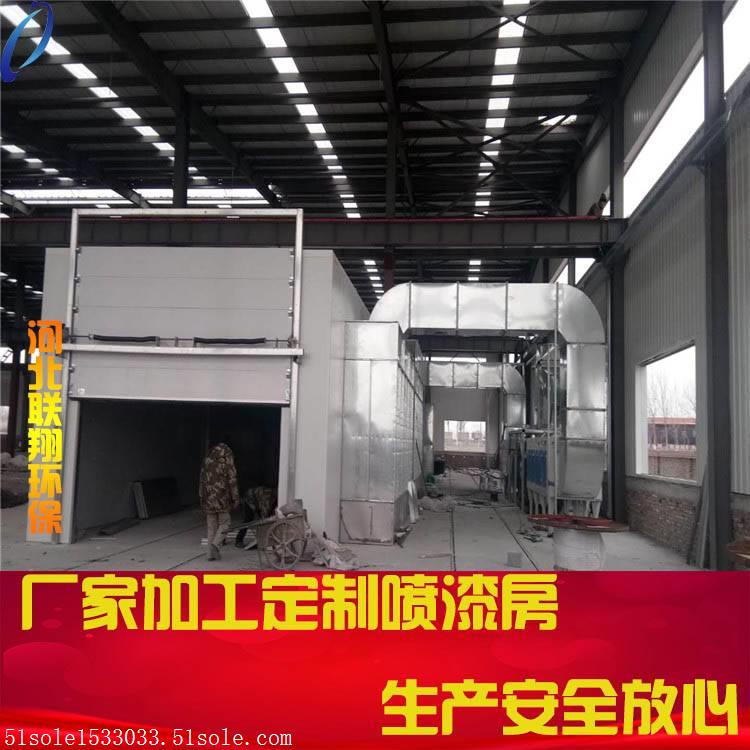
Hebei Mobile Telescopic Spray Painting Room is economical, applicable, and easy to use
Hebei Mobile Telescopic Spray Painting Room is economical, applicable, and easy to use
Hebei Mobile Telescopic Spray Painting Room is economical, applicable, and easy to use

AfterSalesService :
Key words:- Spray coating equipment
More Products