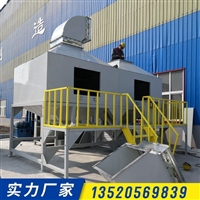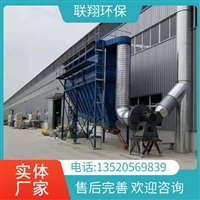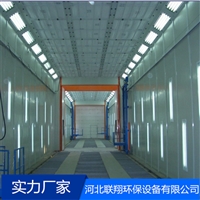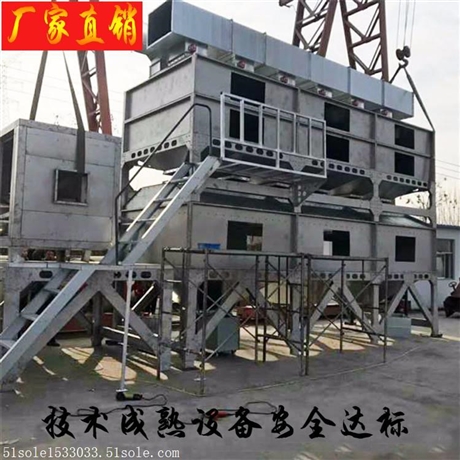

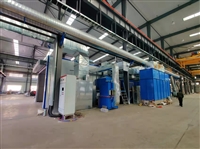


Tailored RCO exhaust gas treatment device for catalytic combustion equipment
Category:
mechanical equipment/Air purification equipment/Complete set of waste gas treatment equipment
Model:
lx
Brand:
Hebei Lianxiang
Retail Price
Negotiable
重量
kg
- Product Description
-
Description :
Characteristics of Thermal Storage Catalytic Combustion System:
(1) The RC process is used to purify organic waste gas, which can simultaneously remove multiple organic pollutants. It has the advantages of simple process flow, compact equipment, and reliable operation
(2) RCO has high purification efficiency, generally reaching over 98%;
(3) RCO has the advantage of low operating costs, and its heat recovery efficiency can generally reach over 95%
(4) The entire process produces no wastewater, and the purification process does not produce secondary pollution such as NOX;
(5) RCO purification equipment can be used in conjunction with an oven, and the purified gas can be directly reused in the oven heating equipment, achieving the goal of energy conservation and emission reduction
(6) There are 5 safety devices installed to prevent accidents from occurring.
(7) The electric heating system works in sections, automatically tracks temperature and has a built-in heat storage device, saving energy and electricity.


RCO (Residual Combustion Oxidizer) is a customized exhaust gas treatment device designed for different exhaust gas characteristics. It uses catalysts to completely oxidize organic waste gas into harmless carbon dioxide and water at lower temperatures, thereby achieving the goal of treating waste gas.
When selecting RCO catalytic combustion equipment, the following factors should be considered:
1. Exhaust gas composition: Different types of catalysts need to be selected for different exhaust gases, so it is necessary to analyze the exhaust gas composition to select the appropriate catalyst.
2. Exhaust gas concentration: A higher exhaust gas concentration will increase the difficulty and cost of equipment treatment, so it is necessary to choose the appropriate equipment model and treatment capacity based on the exhaust gas concentration.
3. Temperature control: Catalytic combustion needs to be carried out at lower temperatures, so it is necessary to control the temperature of the exhaust gas well to avoid damage to the catalyst and equipment caused by high temperatures.
4. Equipment location and space: Catalytic combustion equipment requires a certain amount of space and installation conditions, and suitable equipment types and installation methods need to be selected according to the actual situation.
When customizing catalytic combustion equipment, the following steps need to be considered:
1. Understand customer needs: Understand the type, concentration, composition, processing capacity, and installation location of customer exhaust gas to provide basic data for equipment customization.
2. Choose the appropriate catalyst: Select the appropriate catalyst based on the composition of the exhaust gas to ensure the efficiency and effectiveness of catalytic combustion.
3. Design equipment structure: Design appropriate equipment structure based on customer needs, exhaust gas characteristics, and equipment requirements, including catalyst bed structure, airflow distribution structure design, etc.
4. Production and manufacturing: Produce and manufacture equipment according to the design drawings to ensure the quality and performance of the equipment.
5. Installation and debugging: After the production of the equipment is completed, installation and debugging will be carried out according to customer needs to ensure the normal operation of the equipment.
6. Post maintenance: Provide customers with post maintenance services to ensure the long-term stable operation of equipment.
In summary, selecting and designing based on the above content can more effectively carry out exhaust gas treatment work.

AfterSalesService :
Key words:- Complete set of equipment for exhaust gas treatment
More Products