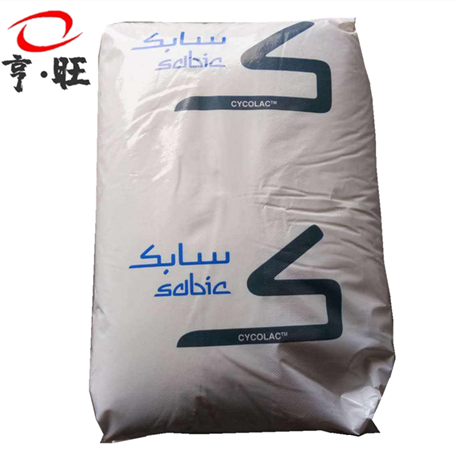

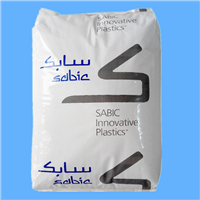
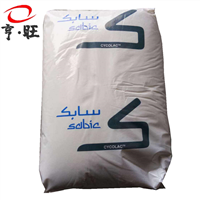


High temperature resistant ABS based innovative plastic; United States&# 41; MG37EP GY4A087
Category:
Rubber and plastic/General plastic/ABS
Model:
Brand:
SABIC Fundamentals/SABIC
Retail Price
25.00USD
重量
kg
- Product Description
-
Description :
High temperature resistant ABS basic innovative plastic (USA) MG37EP GY4A087
Our company supplies raw materials such as PC, ABS, PEI, PBT, PA6, PA66, PPO, etc. for SABIC at favorable prices. You can directly contact Ms. He.

ABS injection molding process
1. Process flow
Preparation before driving → Raw material preparation (adding auxiliary materials and stirring evenly) → Drying → Feeding → Mold closing → Injection (filling) → Pressure holding cooling → Mold opening → Component ejection → Mold closing →
2. Preparation before driving
Check if the power supply and voltage match the rated voltage. Are all buttons, electrical circuits, and limit switches functioning properly. Check if the safety door slides smoothly, turn on the lubrication switch, and inspect the hopper for any debris. Preheat the material cylinder and maintain a constant temperature for half an hour after reaching the set temperature. Check if the nozzle is blocked, adjust the nozzle mold position, fix the mold with bolts, and conduct a trial mold. After the mold is debugged, injection should be carried out, and the injection pressure should gradually increase.
3. Preheating and drying of raw materials
Due to the high moisture absorption of ABS, in order to ensure product quality, the prepared materials are placed in an oven and dried at 70-80 degrees Celsius for 1-4 hours (depending on the thickness of the material layer) to achieve the specified moisture content for resin processing.
4. Color scheme
Add the corresponding color masterbatch according to the required color of the product, and stir evenly with an appropriate amount (usually depending on the depth of the color).
5. Injection process
The injection process generally includes feeding, plasticization, injection (filling the mold), cooling and pressure holding, and demolding. The steps are described as follows:
a、 Feeding: As injection molding is an intermittent process, it is necessary to maintain a fixed amount of feeding to ensure stable operation, uniform plasticization of materials, and ultimately obtain good products. Excessive addition of materials and prolonged heating time can easily cause thermal degradation of the materials, while increasing the power loss of the injection molding machine. Insufficient addition of material, lack of pressure transmission medium in the barrel, reduced pressure of plastic melt in the mold cavity, making it difficult to replenish plastic, which can easily cause defects such as shrinkage, depression, and voids in the product.
b、 Injection: The added material is heated in the barrel, transforming from solid particles to molten state
After mixing and plasticizing, the plasticized melt is pushed by the screw to the front end of the barrel.
After passing through the nozzle, mold, and pouring system, it enters and fills the mold cavity (filling mold).
C、 Pressure holding cooling: In the mold, when the melt cools and shrinks, the screw that continues to maintain the pressure state forces the melt near the gate and nozzle to continuously replenish into the mold (plastic replenishment). Enable the plastic in the mold cavity to form a fully shaped and dense product (holding pressure). After the plastic in the mold cavity has cooled and hardened (solidified). Return the screw and add new material (pre molded), while introducing cooling medium such as cooling water to further cool the mold. In fact, the cooling process starts from the injection of plastic into the mold cavity. It includes the period from mold filling completion, pressure holding, to detachment.
d、 Post processing: After cooling the product to the desired temperature, it can be demolded. Due to uneven plasticization of materials in the barrel or different cooling rates in the mold cavity, uneven crystallization and directional shrinkage often occur. To create internal stress in the product, post-treatment is usually carried out by placing it in a 70 ℃ hot air circulating oven for a period of time.
AfterSalesService :
Key words:- High temperature resistant ABS