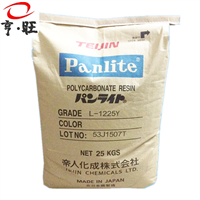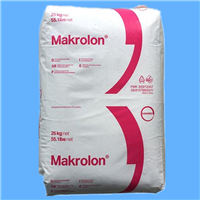
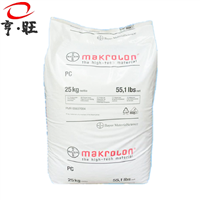


Medical grade PC, Shanghai Kesi Chuang Rx1805, oil resistant, biocompatible, and thermally stable
Category:
Rubber and plastic/engineering plastic/PC
Model:
Brand:
Shanghai Bayer
Retail Price
60.00USD
重量
kg
- Product Description
-
Description :
High viscosity PC Shanghai Covestro Rx1805 medical device raw material
Medical equipment; High lipid resistance; Suitable for high-energy radiation sterilization; Biocompatibility meets multiple ISO 10993-1 testing requirements;
High viscosity; Injection molding - melt temperature 280-320 ℃; Transparent components of medical equipment.
Covestro Model Clone® Rx1805 material has several other advantages: oil resistance (drugs containing oil emulsions can degrade general polycarbonate materials, so the selected material requires special oil resistance); Radiation resistant sterilization (ensuring high yield and efficiency of equipment in the production process);
Excellent biocompatibility, meeting multiple requirements of ISO 10993-1; Accurate molding dimensions and stability under different usage environments.
SABIC's innovative answer is - nano injection molding technology. Simply put, it is to first process the metal to form a nano porous structure, and then perform injection molding to perfectly and firmly bond the metal and plastic together.
Don't underestimate this combination, it has solved a big problem. Taking mobile phones as an example, after using this technology, the volume of various structural components of mobile phones becomes smaller and shorter, making them thinner and lighter. This is undoubtedly a blessing for mobile phones that compete for millimeter sized internal space.
In addition, nano injection molding technology also enhances the functionality of mobile phones. A smartphone has communication primary and secondary antennas WIFI、 How to avoid mutual interference between 6 or 7 antennas such as Bluetooth and GPS in a limited space? The use of nanoinjection molding technology to create partition strips can eliminate the negative effect of all metal structures blocking signal reception, allowing each component to function effectively.

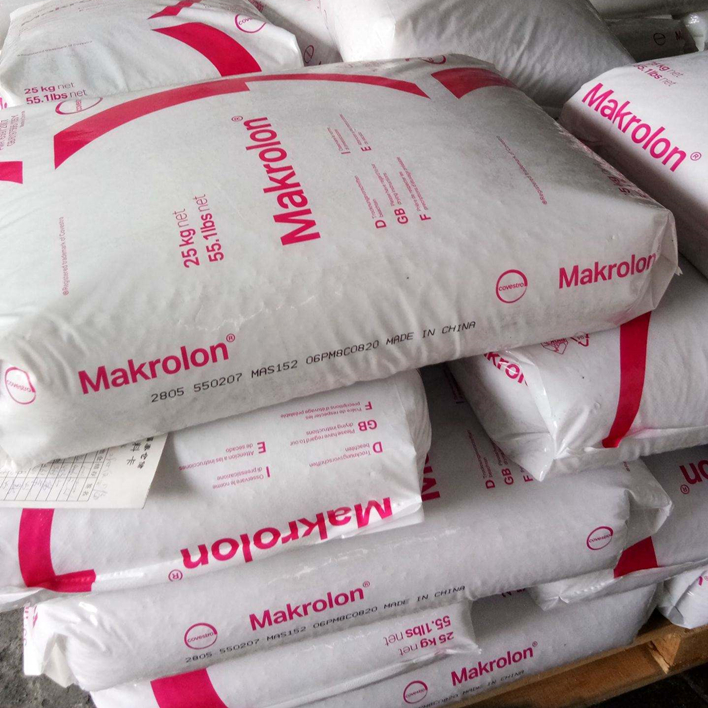
Makrolon® Rx1805 Physical Property Table
Characteristic radiation disinfection, biocompatibility, high viscosity
Usage: Medical/nursing supplies, medical devices
Institutional rating RoHS compliance
Clear/transparent appearance
Processing method: Injection molding
Physical performance rating unit testing method
Density (23 ° C) 1.20 g/cm3 ISO 1183
Apparent density 1 0.66 g/cm3 ISO 60
Melting rate (melt flow rate) (300 ° C/1.2 kg) 6.5 g/10 min ISO 1133
Dissolved Volume Flow Rate (MVR) (300 ° C/1.2 kg) 6.00 cm3/10 min ISO 1133
shrinkage rate
Vertical flow direction 0.60 to 0.80% ISO 2577
Flow direction 0.60 to 0.80% ISO 2577
Vertical flow direction: 2.00 mm 2 0.70% ISO 294-4
Flow direction: 2.00 mm 3 0.70% ISO 294-4
Water absorption rate ISO 62
Saturation, 23 ° C 0.30% ISO 62
Balance, 23 ° C, 50% RH 0.12% ISO 62
Test method for hardness rating unit system
Ball compression hardness 114 MPa ISO 2039-1
Mechanical performance rating unit testing method
Tensile modulus (23 ° C) 2400 MPa ISO 527-2/1
Tensile stress ISO 527-2/50
Yield, 23 ° C 67.0 MPa ISO 527-2/50
Fracture, 23 ° C 75.0 MPa ISO 527-2/50
Tensile strain ISO 527-2/50
Yield, 23 ° C 6.3% ISO 527-2/50
Fracture, 23 ° C 130% ISO 527-2/50
Nominal tensile fracture strain (23 ° C)>; 50 % ISO 527-2/50
Bending modulus 4 (23 ° C) 2400 MPa ISO 178
Bending stress 5 ISO 178
3.5% strain, 23 ° C 73.0 MPa ISO 178
23°C 98.0 MPa ISO 178
Flexural Strain at Flexural Strength 6(23°C) 7.1 % ISO 178
Test method for flammability rating unit system
Flash Ignition Temperature 480 °C
Self Ignition Temperature 550 °C
Supplementary Information Rating
ISO Shortname ISO 7391-PC
Test method for impact performance rating unit system
Simply supported beam notch impact strength 7 ISO 7391
-30 ° C, complete fracture 16 kJ/m2 ISO 7391
23 ° C, local fracture 80 kJ/m2 ISO 7391
Simply supported beam without notch impact strength ISO 179/1eU
-60 ° C without fracture ISO 179/1eU
-30 ° C without fracture ISO 179/1eU
23 ° C without fracture ISO 179/1eU
Suspended wall beam notch impact strength 8 ISO 7391
-30 ° C, complete fracture 15 kJ/m2 ISO 7391
23 ° C, local fracture 70 kJ/m2 ISO 7391
Multi axis Instrumented Impact Energy ISO 6603-2
-30°C 70.0 J ISO 6603-2
23°C 65.0 J ISO 6603-2
Multi axis Instrumented Peak Impact Force ISO 6603-2
-30°C 6600 N ISO 6603-2
23°C 5700 N ISO 6603-2
Test method for thermal performance rating unit system
Heat Deflection Temperature
0.45 MPa, Unanealed 138 ° C ISO 75-2/B
1.8 MPa, Unanealed 126 ° C ISO 75-2/A
Glass transition temperature 9 145 ° C ISO 11357-2
Vicat softening temperature
-- 144 °C ISO 306/B50
-- 145 °C ISO 306/B120
Ball Pressure Test (135°C) Pass IEC 60695-10-2
Linear coefficient of thermal expansion ISO 11359-2
Flow: 23 to 55 ° C 6.5E-5 cm/cm/° C ISO 11359-2
Horizontal: 23 to 55 ° C 6.5E-5 cm/cm/° C ISO 11359-2
Thermal conductivity 10 (23 ° C) 0.20 W/m/K ISO 8302
Test method for flammability rating unit system
Extreme Oxygen Index 11 27% ISO 4589-2
AfterSalesService :
Key words:- Medical grade PC