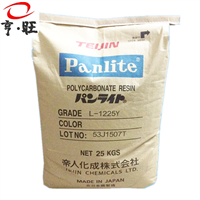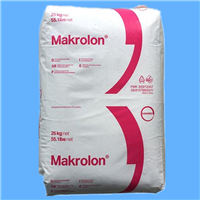
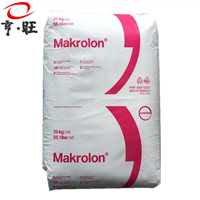


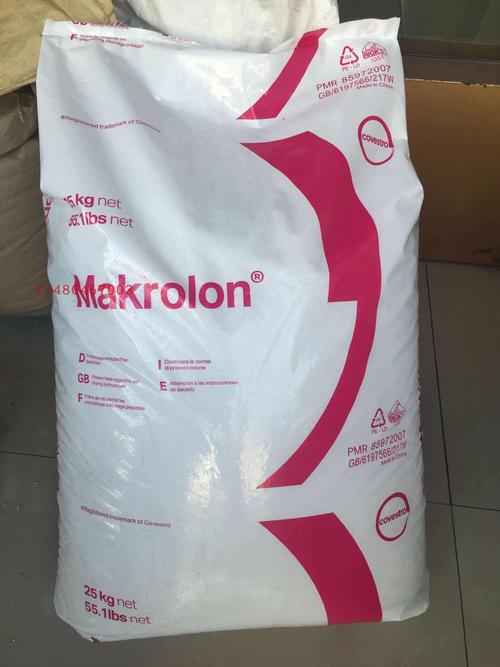
High impact PC 6487, used in the field of weather resistant electronic building by Shanghai Covestro
Category:
Rubber and plastic/engineering plastic/PC
Model:
Brand:
Shanghai Bayer
Retail Price
21.90USD
重量
kg
- Product Description
-
Description :
PC 6487 Shanghai Covestro
Characteristics: Good demolding performance; Medium viscosity; Flame retardant; High impact resistance; UV curing; Ease of processing
Usage: In the field of electrical/electronic applications; Applications in the automotive field; Large and small household appliances; Construction application field; Bucket; Hospital supplies, disposable
6487 Physical Property Table
Basic Information
Yellow card number E41613-304366
Additive UV stabilizer
flame retardancy
Good demolding performance
Medium viscosity
flame retardancy
RoHS Compliance RoHS Compliance
Opaque appearance
Available colors
Processing method: Injection molding
Physical performance rating unit testing method
Density (23 ° C) 1.20 g/cm3 ISO 1183
Apparent density 1 0.64 g/cm3 ISO 60
Melt flow rate (melt flow rate) (300 ° C/1.2 kg) 10 g/10 min ISO 1133
Dissolved Volume Flow Rate (MVR) (300 ° C/1.2 kg) 9.00 cm3/10 min ISO 1133
shrinkage rate
Vertical flow direction 0.60 to 0.80% ISO 2577
Flow direction 0.60 to 0.80% ISO 2577
Vertical flow direction: 2.00 mm 2 0.75% ISO 294-4
Flow direction: 2.00 mm 3 0.70% ISO 294-4
Water absorption rate ISO 62
Saturation, 23 ° C 0.30% ISO 62
Balance, 23 ° C, 50% RH 0.12% ISO 62
Test method for hardness rating unit system
Ball compression hardness 117 MPa ISO 2039-1
Mechanical performance rating unit testing method
Tensile modulus (23 ° C) 2450 MPa ISO 527-2/1
Tensile stress ISO 527-2/50
Yield, 23 ° C 66.0 MPa ISO 527-2/50
Fracture, 23 ° C 65.0 MPa ISO 527-2/50
Tensile strain ISO 527-2/50
Yield, 23 ° C 6.0% ISO 527-2/50
Fracture, 23 ° C 120% ISO 527-2/50
Nominal tensile fracture strain (23 ° C)>; 50 % ISO 527-2/50
Bending modulus 4 (23 ° C) 2450 MPa ISO 178
Bending stress 5 ISO 178
3.5% strain, 23 ° C 75.0 MPa ISO 178
23°C 99.0 MPa ISO 178
Flexural Strain at Flexural Strength 6(23°C) 7.0 % ISO 178
Test method for flammability rating unit system
Application of Flame from Small Burner - Method K and F (2.00 mm) K1, F1 DIN 53438-1, -3
Burning Rate - US-FMVSS (> 1.00 mm) passed ISO 3795
Flash Ignition Temperature 470 °C ASTM 1929
Self Ignition Temperature 550 °C ASTM 1929
Supplementary Information Rating Test Method
Electrolytical Corrosion (23°C) A1 IEC 60426
ISO Shortname ISO 7391-PC,MFLR,(,,)-09-9
Test method for impact performance rating unit system
Simply supported beam notch impact strength 7 ISO 7391
-30 ° C, complete fracture 12 kJ/m2 ISO 7391
23 ° C, local fracture 70 kJ/m2 ISO 7391
Simply supported beam without notch impact strength ISO 179/1eU
-30 ° C without fracture ISO 179/1eU
23 ° C without fracture ISO 179/1eU
Suspended wall beam notch impact strength 8 ISO 7391
-30 ° C, complete fracture 12 kJ/m2 ISO 7391
23 ° C, local fracture 65 kJ/m2 ISO 7391
Multi axis Instrumented Impact Energy ISO 6603-2
-30°C 55.0 J ISO 6603-2
23°C 50.0 J ISO 6603-2
Multi axis Instrumented Peak Impact Force ISO 6603-2
-30°C 6000 N ISO 6603-2
23°C 5200 N ISO 6603-2
Test method for thermal performance rating unit system
Heat Deflection Temperature
0.45 MPa, Unanealed 134 ° C ISO 75-2/B
1.8 MPa, Unanealed 122 ° C ISO 75-2/A
Glass transition temperature 9 141 ° C ISO 11357-2
Vicat softening temperature
-- 143 °C ISO 306/B50
-- 141 °C ISO 306/B120
Ball Pressure Test (135°C) Pass IEC 60695-10-2
Linear coefficient of thermal expansion
AfterSalesService :
Key words:- High impact PC