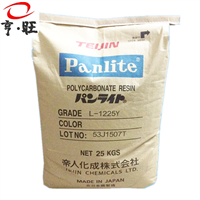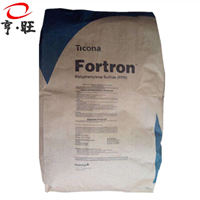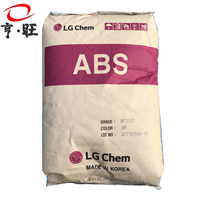


Resistant to hydrolysis PPO GFN2, with a 20% glass fiber reinforced base and low water absorption rate
Category:
Rubber and plastic/engineering plastic/PPO
Model:
Brand:
Saudi Arabia Foundation
Retail Price
26.80USD
重量
kg
- Product Description
-
Description :
1、 Product Introduction
Polyoxyxylene is one of the inexpensive high-temperature resistant plastics, but it is difficult to manufacture and its impact and heat resistance will decrease over time. Mixing polyoxymethylene and polystyrene can improve this drawback. In the 1960s, adjusted polyethylene glycol was introduced under the trade name Noryl. The commonly used material in the market is modified polyphenylene oxide (MPPO), also known as MPPE (Modified Polyphenylene Ether).
Performance: PPE+PS blend. 20% glass fiber reinforcement. Compliant with FDA (with restrictions). Low water absorption rate. Hydrolytic stability. Dimensional stability.
Purpose: Suitable for fluid engineering applications, including pump casings and impellers, valve components, etc. Large and small household appliances; Electronic communication plastic parts and accessories; Electric tool; Automotive internal components
2、 Physical property table
Physical properties of GFN2 resin
Physical performance rating unit testing method
Specific gravity 1.23 g/cm3 ASTM 792
Melting rate (melt flow rate) (300 ° C/5.0 kg) 12 g/10 min ASTM 1238
Dissolved Volume Flow Rate (MVR) (280 ° C/5.0 kg) 2.40 cm3/10 min ISO 1133
Shrinkage rate - Flow 0.20 to 0.40% Internal method
water absorption rate
24 hr 0.060 % ASTM 570
23°C, 24 hr 0.12 % ISO 62
Balance, 23 ° C, 50% RH 0.040% ISO 62
Mechanical performance rating unit testing method
tensile modulus
-- 1 6500 MPa ASTM 38
-- 6000 MPa ISO 527-2/1
tensile strength
Yield 2 100 MPa ASTM 638
Yield 3 88.0 MPa internal method
Yield 90.0 MPa ISO 527-2/5
elongation
Yield 4 6.0 to 8.0% internal method
Fracture 5 3.0% ASTM 638
Fracture 3.0% ISO 527-2/5
flexural modulus
100mm span 6 5570 MPa ASTM 790
-- 7 5400 MPa ISO 178
bending stress
-- 150 MPa ISO 178
Yield, 100mm span 8 131 MPa ASTM 790
Test method for impact performance rating unit system
Simply supported beam notch impact strength 9 (23 ° C) 8.0 kJ/m2 ISO 179/1eA
Impact strength of cantilever beam gap
23°C 88 J/m ASTM 256
-30°C 10 9.0 kJ/m2 ISO 180/1A
23°C 11 10 kJ/m2 ISO 180/1A
Non notched cantilever beam impact
23°C 550 J/m ASTM 4812
23°C 12 30 kJ/m2 ISO 180/1U
Dart impact with measuring instruments (23 ° C, Total Energy) 20.0 J ASTM 3763
Test method for thermal performance rating unit system
Thermal deformation temperature under load
1.8 MPa, Unanealed, 3.20 mm, 137 ° C ASTM 648
1.8 MPa, Unanealed, 6.40 mm, 138 ° C ASTM 648
1.8 MPa, Unanealed, 64.0 mm span 13 135 ° C ISO 75-2/Af
Vicat softening temperature
-- 140 °C ISO 306/B50
-- 147 °C ISO 306/B120
Linear coefficient of thermal expansion - Flow (-30 to 30 ° C) 2.8E-5 to 4.5E-5 cm/cm/° C ASTM E831
Flammability rating test method
UL flame retardant rating (1.50 mm) HB UL 94
Injection rated value unit system
Drying temperature 110 to 121 ° C
Drying time 3.0 to 4.0 hours
Drying time, 8.0 hours
Suggested moisture content of 0.020%
Suggested injection volume 30 to 70%
The temperature at the rear of the barrel is 266 to 316 ° C
The temperature in the middle of the barrel ranges from 277 to 321 ° C
The temperature at the front of the barrel ranges from 288 to 327 ° C
Spray nozzle temperature 299 to 327 ° C
Processing (melt) temperature 299 to 327 ° C
Mold temperature ranging from 82.2 to 110 ° C
Back pressure ranging from 0.345 to 0.689 MPa
Screw speed 20 to 100 rpm
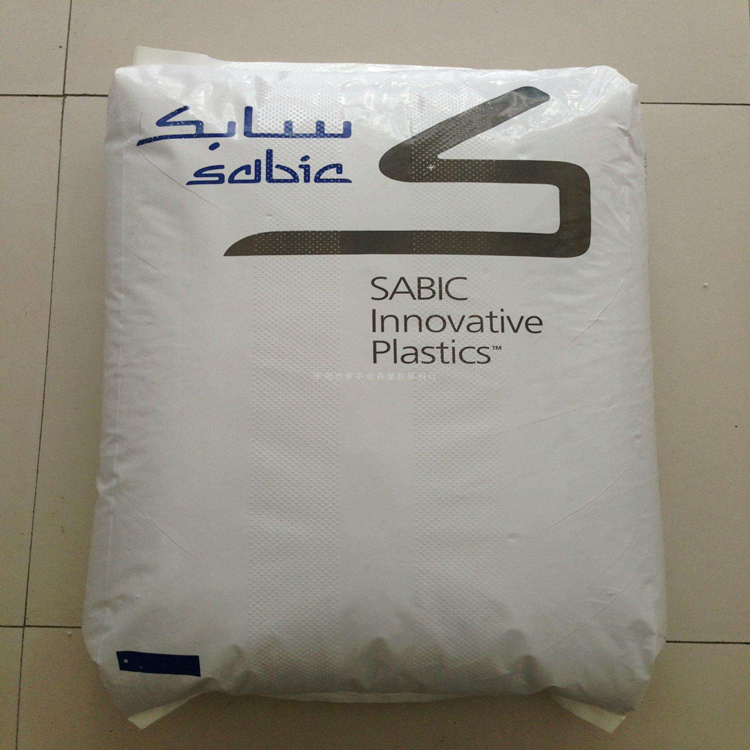
3、 Product shooting
AfterSalesService :
Key words:- Hydrolytic resistant PPO