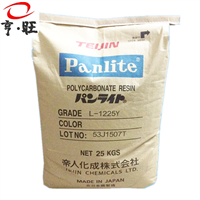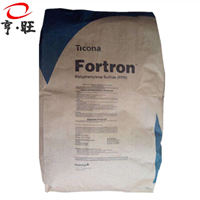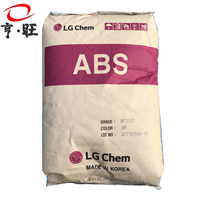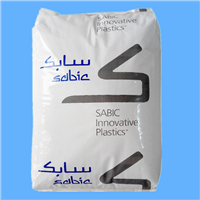
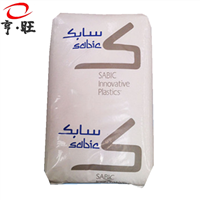


PPO Thermoplastic Engineering PX9406P-7001 Sabah Foundation Black
Category:
Rubber and plastic/engineering plastic/PPO
Model:
Brand:
Basic Innovative Plastics&# 40; United States&# 41
Retail Price
29.00USD
重量
kg
- Product Description
-
Description :
PPO Thermoplastic Engineering PX9406P-7001 Sabah Foundation Black
Modified PPO (MPPO) has excellent comprehensive performance and has become one of the five general engineering plastics.
There are three main forms of PPO: PPO modified plastics, PPO elastomers, and low molecular weight PPO. The main materials used for 5G are modified PPO and low molecular weight PPO, as introduced in the following three PPOs.
PPO modified plastic
Polyphenylene oxide (PPO) is generally in the form of a soil yellow powder.
Characteristics of polyphenylene ether:
Excellent dimensional stability and outstanding electrical insulation under long-term load; Wide temperature range for use, can be used for a long time within the range of -127 to 121 ℃; Excellent water and steam resistance (Tg of 210 ℃, hot deformation temperature of 190 ℃); The product has high tensile strength and impact strength; Good creep resistance, wear resistance, and electrical performance. But the melt flow is poor, processing is difficult, and it is almost impossible to carry out extrusion and injection molding processing separately. In order to meet the needs of various applications, series modification of PPO is essential.
The modified PPO can meet the material requirements of 5G and has a series of related applications in 5G, such as applications in base station components such as antenna arrays, antenna covers, phase shifters, etc

PPO elastomer
PPO can not only be used as the main body of modified plastics, but also as an additive to change the properties of elastomers. Due to its flame retardancy, high strength, and good compatibility with elastomers, adding PPO to elastomers greatly improves tensile strength and also increases flame retardancy. Unlike engineering plastics where PPO is the main component, PPO elastomers are commonly used in cables.
LPPO
Ordinary PPO has a high melt viscosity, poor solubility in solvents, and poor solvent resistance, resulting in poor processing performance and limited application in copper-clad laminates. Low molecular weight polyphenylene ether LPPO is produced by hydroxylation at both ends of the molecular chain, with active hydroxyl groups at both ends, and can undergo a series of reactions to prepare various remote claw, block, graft, and star shaped polymers
There are two methods for synthesizing low molecular weight PPO: monomer copolymerization and high molecular weight PPO redistribution. Low molecular weight PPO is a thermoplastic resin and cannot be directly used for copper-clad laminates. It must undergo thermosetting modification to meet the requirements of copper-clad laminates.
AfterSalesService :
Key words:- PPO thermoplastic engineering