


Implementation Rules for Smart Heating, Recharge of Vortex Flow Meter, Case Study of Pre billing System for Heating Network
Category:
Instrumentation/Flow meter/flowmeter
Model:
STR/WEB/V2.0
Brand:
Qingdao Zhiyuan Instrument
model:
STR/WEB/V2.0
principle:
Fluid oscillating flowmeter
purpose:
Micro flow flowmeter
Nominal Diameter:
DN15-2000
work pressure:
1.6MPa
Applicable Medium:
Gas, liquid, steam
Operating Temperature:
three hundred
measurement range:
four thousand two hundred and twenty
accuracy class:
one
measurement accuracy:
one
Installation type:
flange connection
flow range:
eight thousand one hundred and seven
Processing & Customization:
yes
weight:
seventy-three
Place of Origin:
Qingdao, China
manufacturer:
Qingdao Zhiyuan Instrument
Retail Price
7,323.00USD
重量
kg
- Product Description
-
model STR/WEB/V2.0
principle Fluid oscillating flowmeter
purpose Micro flow flowmeter
Nominal Diameter DN15-2000
work pressure 1.6MPa
Applicable Medium Gas, liquid, steam
Operating Temperature three hundred
measurement range four thousand two hundred and twenty
accuracy class one
measurement accuracy one
Installation type flange connection
flow range eight thousand one hundred and seven
Processing & Customization yes
weight seventy-three
Place of Origin Qingdao, China
manufacturer Qingdao Zhiyuan Instrument
Description :
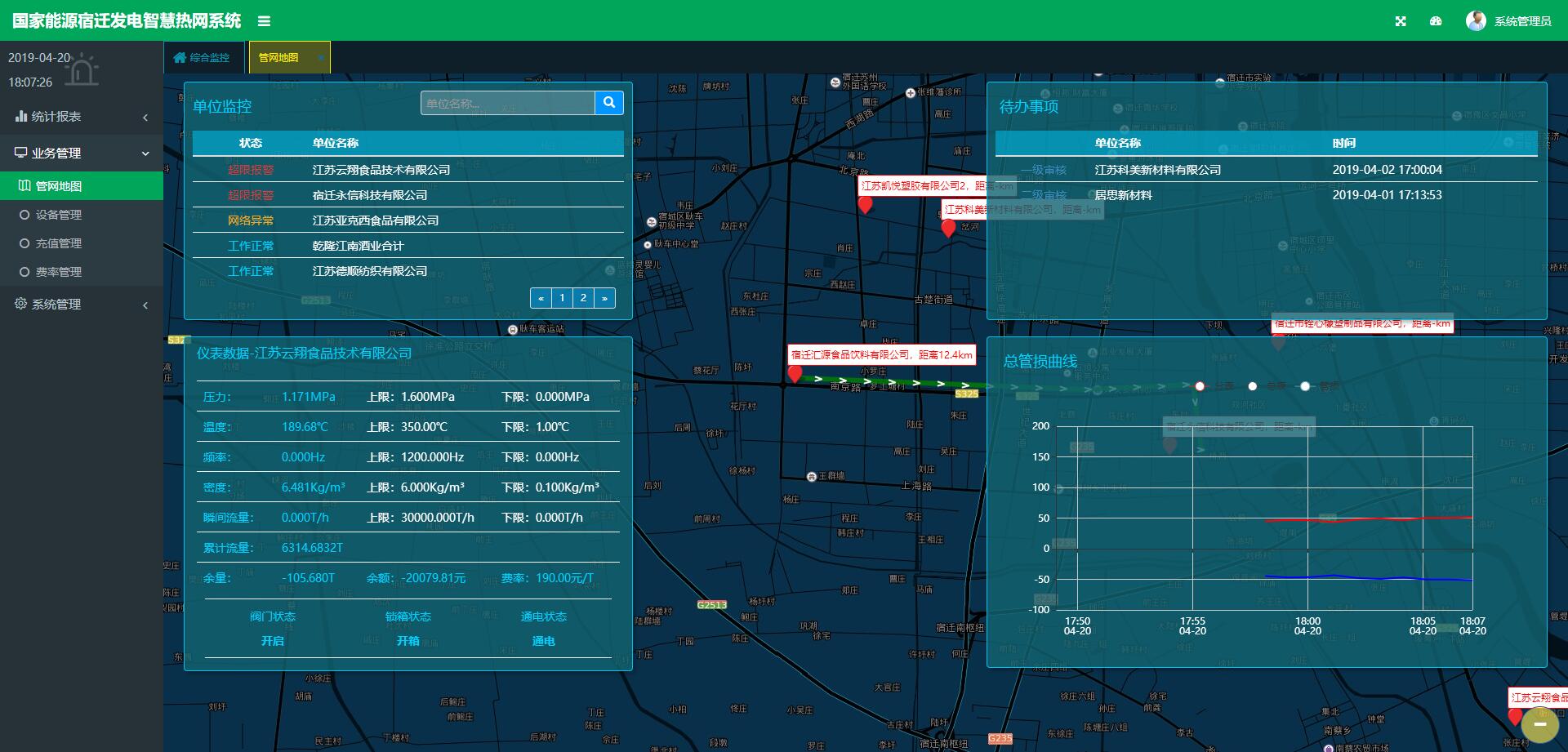
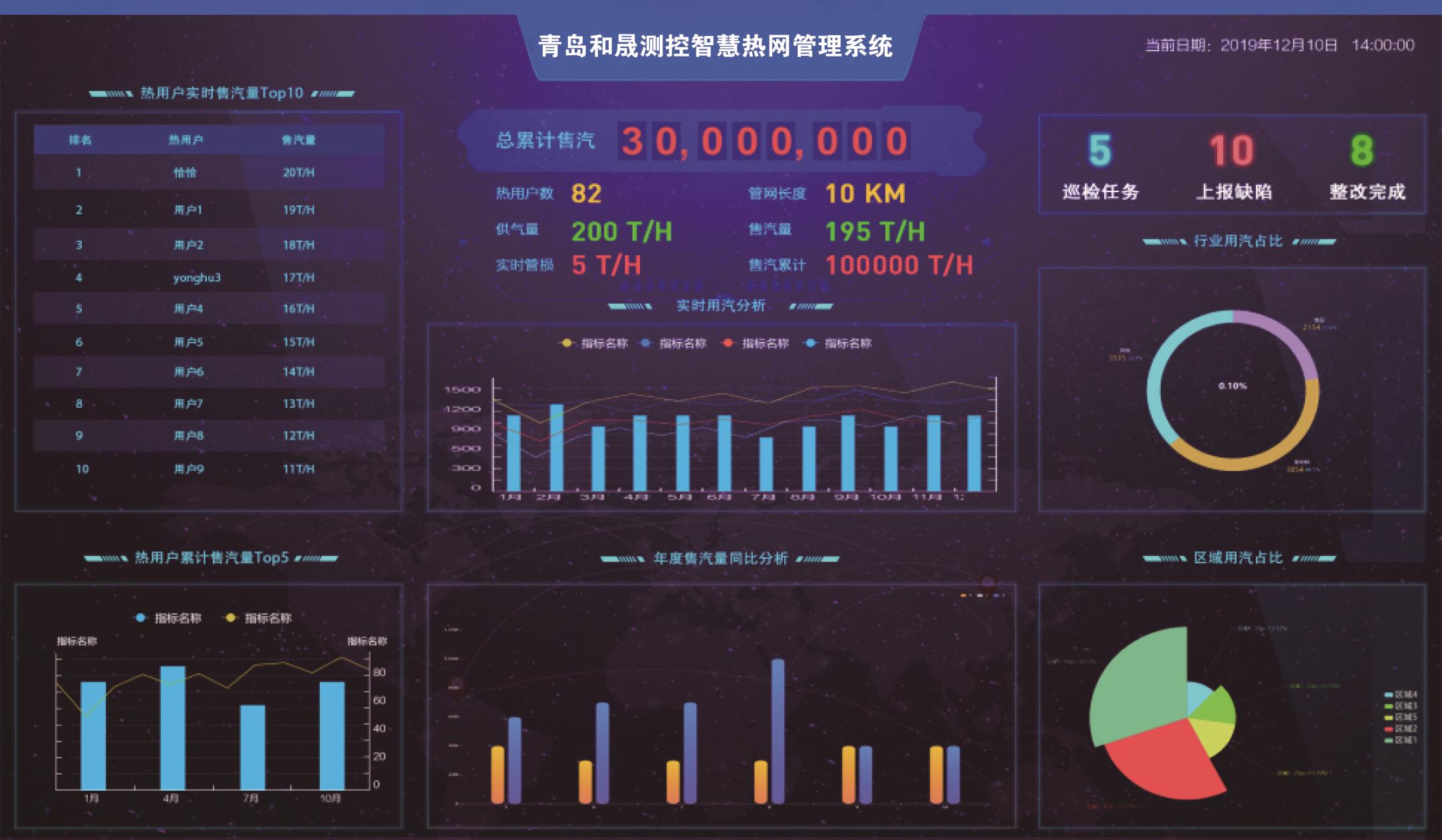
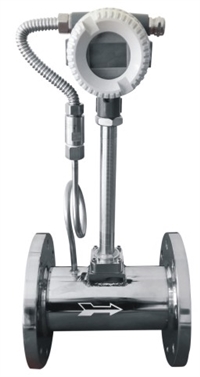
Distributed energy systems, as energy supply centers serving the local area, directly face the needs of local users and are deployed near them. This simplifies the energy transmission process for users, reducing energy losses and transmission costs, and increasing the safety of energy supply for users. Due to its lack of large-scale and long-distance energy output mode, it mainly targets the energy needs of local users,Implementation Rules for Smart HeatingThe scale will be constrained by user demand, and compared to traditional centralized energy supply systems, it is of medium to small capacity. It has debugging function, and in debugging state, the valve can be opened without recharging. The above functions can be enabled or disabled through the function menu of the controller. The remote meter reading system has replaced traditional manual meter reading methods with fully automatic meter reading, solving the problem of low efficiency in manual meter reading. Compared with similar meter reading systems, it is completely based on the popularization and application of the Internet of Things technology, and uses a pan tilt system architecture, which enables the system to have remote debugging, remote maintenance, and data exchange functions with external third-party software
Qingdao Hesheng Zhiyuan Automation System Co., LtdImplementation Rules for Smart HeatingGeneral function introduction:
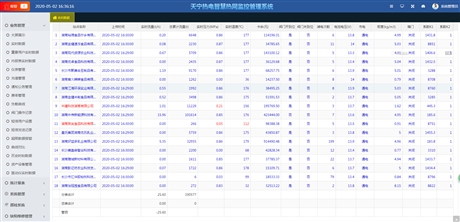
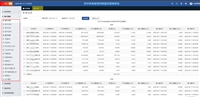
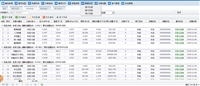
System information management: database server parameter settings, communication server information settings, operator information management, password modification, industry category settings, system announcement information management. User Information Management: Regional Information Management, User Information Management, Measurement Point Information Management, and Meter Information Management. Flow monitoring management: New data monitoring of flow meters, supplementary recording of water meter data, monitoring of water meters: instantaneous flow, positive cumulative flow, negative cumulative flow. Inspection and repair management: flowmeter inspection management, water meter repair management. Data query management: user information query, measurement point information query, water and gas situation query, report information query, operation log query, historical data query. Statistical report generation: Generate reports by hour, day, week, ten day, month, year, and other time periods, and generate water usage details by year, month, and day. Usage analysis curve: Plot the water usage data of each station's flow meter into hourly, daily, ten day, monthly, annual and other time periods.
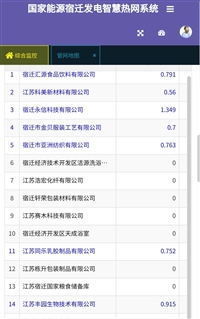
Qingdao Hesheng Smart Heating Network Heating User Management: 1. Basic information management of heating users, including user name, number, person, method, pipe diameter and wall thickness, metering equipment form (vortex street, orifice plate, etc.), declared steam consumption, commonly used steam consumption, etc. 2. Analyze the proportion of key users in branch lines, main lines, and overall thermal users, and provide scheduling optimization suggestions based on historical data and other factors to assess the impact of key user start stop on corresponding pipeline parameters. 3. Analysis report on peak and valley flow of hot users, statistics on load situation, and analysis to assist in formulating business plans. 4. Comparative analysis of temperature, pressure, and flow curves of thermal users with similar pipelines and diameters to assist in identifying pipeline anomalies.
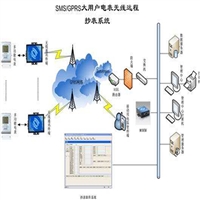
fiveImplementation Rules for Smart HeatingReal time monitoring: It can achieve real-time data display function for multiple instruments. It is convenient to timely grasp the situation of various department stations, make corresponding adjustments and guidance. The remote meter reading system replaces the traditional manual meter reading method with fully automatic meter reading, solving the problem of low efficiency of manual meter reading. Compared with similar meter reading systems, it is completely based on the popularization and application of the Internet of Things technology, and uses a pan tilt system architecture, which enables the system to have remote debugging, remote maintenance, and data exchange functions with external third-party software
becauseImplementation Rules for Smart HeatingThere is a significant time delay in heat transfer during operation. By predicting the load of the heat production unit, appropriate adjustments can be made to the heat production plan based on the specific heat needs of the network, thereby improving the thermal efficiency of the entire heating network system. The smart heating network management system is a new type of heating network composed of a heating physical equipment network (a network composed of heat sources, heating networks, user systems, local display instruments, and control and regulation devices), a heating information Internet of Things (a network composed of sensors, data collection devices, data transmission devices, etc.), and an intelligent decision-making system based on an intelligent heating platform. Intelligent heating is based on the heating physical equipment network and supported by the heating information Internet of Things. Through an intelligent decision-making system, it provides auxiliary decision-making support for operation and management personnel, forming a heating system form that reduces operating energy consumption while ensuring indoor comfort.
Qingdao Hesheng Zhiyuan Automation System Co., Ltd
189 Hui Xin 5483 Same number 1481
Q:3438-5007-67
AfterSalesService :
Key words:- Implementation Rules for Smart Heating
More Products