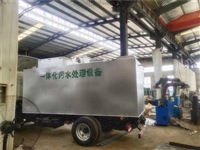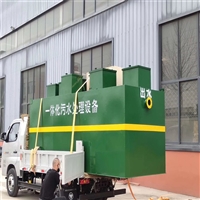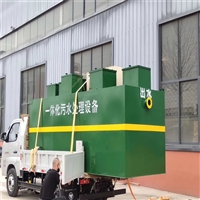
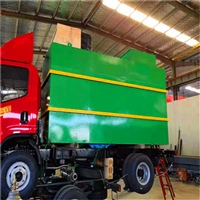
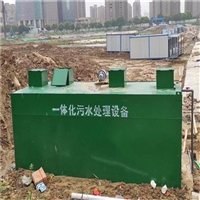


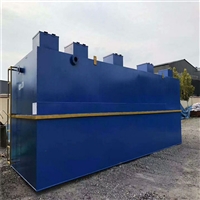

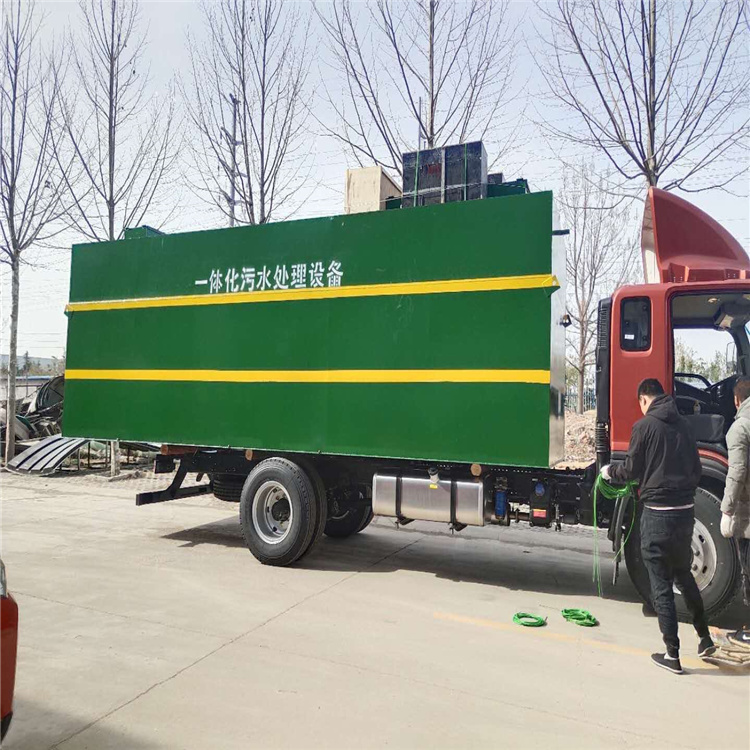
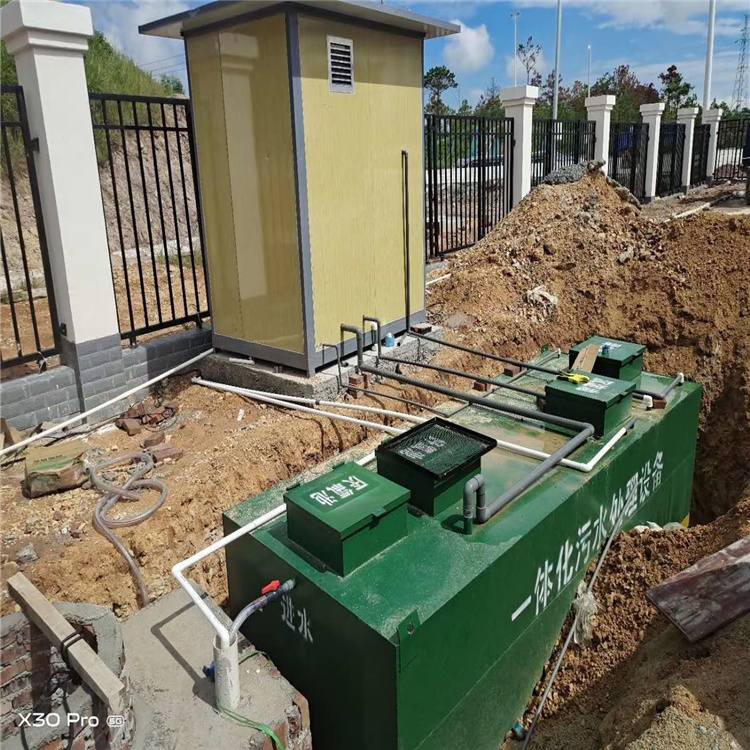
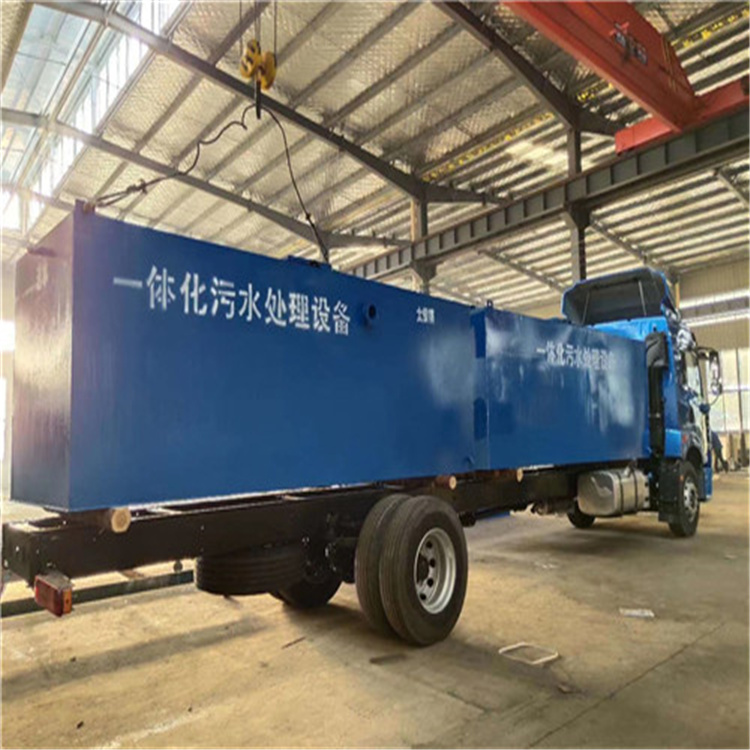
80t/d integrated domestic sewage treatment equipment
Category:
Environmental Protection/Sewage treatment equipment/Buried sewage treatment equipment
Model:
wsz-4
Brand:
Weifang Lusheng Water Treatment
Retail Price
72,000.00USD
重量
kg
- Product Description
-
Description :
80t/d integrated domestic sewage treatment equipment
Lusheng Environmental Protection can design for customers. Contact us for price inquiries, customized equipment, and maintenance equipment. Not only does it clean up and ensure the quality of the effluent, but the equipment is also stable, has a large processing capacity, and high efficiency. Customers can come to our company for inspection, and discounts are available for orders of equipment, multiple equipment, and wholesale equipment.
Technical means and comprehensive utilization of sludge disposal
Sludge treatment technology is divided into two stages: sludge treatment and sludge disposal. Sludge treatment includes concentration (moisture content 95% -98%), dewatering (80%), drying (40%), etc. In the dehydration process, the dehydration efficiency can be further improved through anaerobic digestion or aerobic digestion.
Sludge disposal is the subsequent process of sludge treatment, which includes various methods such as landfilling, incineration, composting, and resource utilization. The commonly used method internationally is incineration disposal. In 2014, scientists around the world unanimously believed that resource utilization was the future direction of sewage treatment, and the resource utilization of sludge was an important breakthrough that needed to be made in the future.
1. Anaerobic digestion technology - an efficient means of sludge treatment
Anaerobic digestion refers to the process of stabilizing sludge by decomposing biodegradable organic matter into carbon dioxide, methane, and water through facultative and anaerobic bacteria in an anaerobic environment. The current industry generally believes that anaerobic digestion is one of the commonly used methods for reducing and stabilizing sludge. Compared with aerobic digestion, it has the advantages of low cost (no need for air blowing equipment or deodorization equipment), less emission of harmful gases, and gas recovery and utilization.
According to different processing temperatures, anaerobic digestion can be divided into two types: mesophilic digestion and high-temperature digestion. High temperature anaerobic digestion has the advantages of higher gas production rate and smaller digestion tank volume compared to medium temperature digestion, but it requires higher energy consumption. Currently, medium temperature digestion is widely used in China. At present, it is believed that anaerobic digestion needs to go through four stages: hydrolysis, acidification (fermentation) stage, acetylation stage, and methanation stage. Each stage is both interconnected and interdependent, and each stage has its own unique microbial community.
Anaerobic digestion has the following advantages:
1) Improve the efficiency of subsequent processing and reduce energy consumption in subsequent processing. It is generally believed that anaerobic reactions can achieve sludge reduction and stabilization. Through anaerobic reactions, organic matter in sludge is removed by 40% -60%, and harmful bacteria are reduced. In addition, anaerobic digestion improves the stability of sludge dewatering, reducing energy consumption by more than 35% in subsequent treatments such as incineration.
2) Anaerobic digestion has lower costs. According to the China Environment News, the investment cost of simple anaerobic digestion is about 200000-400000 yuan/(ton/day). Due to the lack of air blowing and aeration, the cost is saved. The operating cost of simple anaerobic digestion is about 60-120 yuan/ton (moisture content of 80%, excluding concentration and dehydration), while the operating cost of aerobic fermentation is 120-160 yuan/ton.
2. Sludge drying (chemical) technology
According to different processing techniques, there are two types: direct drying and indirect drying. Direct drying is the process of introducing high-temperature flue gas directly into a dryer and exchanging heat through convection between the gas and wet materials. Due to the increase of polluting gases, small sludge treatment capacity, and certain safety hazards caused by direct drying, European countries have gradually abandoned direct drying methods and mostly adopted indirect drying.
Indirect drying is the process of transferring the heat from high-temperature flue gas to steam through a heat exchanger. The steam circulates in a closed loop without coming into contact with the sludge. Indirect drying has a certain amount of heat loss, but the amount of flue gas that needs to be treated is small and will not produce secondary pollution.



AfterSalesService :
Key words:- Domestic sewage treatment equipment